
Home
Eastwood's Iwo Jima: Critical Engagements with Flags of Our Fathers and Letters from Jima
Barnes and Noble
Loading Inventory...
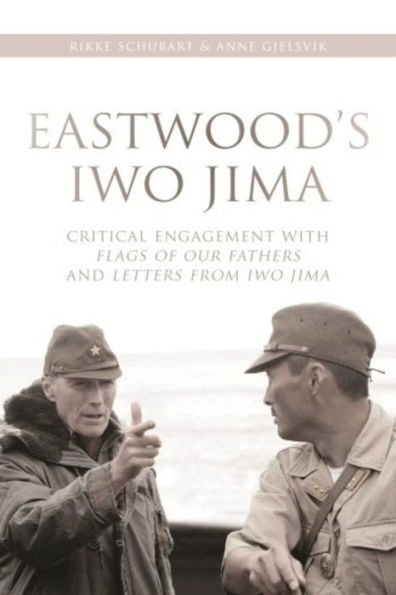
Eastwood's Iwo Jima: Critical Engagements with Flags of Our Fathers and Letters from Jima in Chattanooga, TN
Current price: $105.00
Barnes and Noble
Eastwood's Iwo Jima: Critical Engagements with Flags of Our Fathers and Letters from Jima in Chattanooga, TN
Current price: $105.00
Loading Inventory...
Size: Hardcover
With
Flags of Our Fathers
(2006) and
Letters from Iwo Jima
(2006), Clint Eastwood made a unique contribution to film history, being the first director to make two films about the same event. Eastwood's films examine the battle over Iwo Jima from two nations' perspectives, in two languages, and embody a passionate view on conflict, enemies, and heroes. Together these works tell the story behind one of history's most famous photographs, Leo Rosenthal's "Raising the Flag on Iwo Jima." In this volume, international scholars in political science and film, literary, and cultural studies undertake multifaceted investigations into how Eastwood's diptych reflects war today. Fifteen essays explore the intersection among war films, American history, and Japanese patriotism. They present global attitudes toward war memories, icons, and heroism while offering new perspectives on cinema, photography, journalism, ethics, propaganda, war strategy, leadership, and the war on terror.
Flags of Our Fathers
(2006) and
Letters from Iwo Jima
(2006), Clint Eastwood made a unique contribution to film history, being the first director to make two films about the same event. Eastwood's films examine the battle over Iwo Jima from two nations' perspectives, in two languages, and embody a passionate view on conflict, enemies, and heroes. Together these works tell the story behind one of history's most famous photographs, Leo Rosenthal's "Raising the Flag on Iwo Jima." In this volume, international scholars in political science and film, literary, and cultural studies undertake multifaceted investigations into how Eastwood's diptych reflects war today. Fifteen essays explore the intersection among war films, American history, and Japanese patriotism. They present global attitudes toward war memories, icons, and heroism while offering new perspectives on cinema, photography, journalism, ethics, propaganda, war strategy, leadership, and the war on terror.
With
Flags of Our Fathers
(2006) and
Letters from Iwo Jima
(2006), Clint Eastwood made a unique contribution to film history, being the first director to make two films about the same event. Eastwood's films examine the battle over Iwo Jima from two nations' perspectives, in two languages, and embody a passionate view on conflict, enemies, and heroes. Together these works tell the story behind one of history's most famous photographs, Leo Rosenthal's "Raising the Flag on Iwo Jima." In this volume, international scholars in political science and film, literary, and cultural studies undertake multifaceted investigations into how Eastwood's diptych reflects war today. Fifteen essays explore the intersection among war films, American history, and Japanese patriotism. They present global attitudes toward war memories, icons, and heroism while offering new perspectives on cinema, photography, journalism, ethics, propaganda, war strategy, leadership, and the war on terror.
Flags of Our Fathers
(2006) and
Letters from Iwo Jima
(2006), Clint Eastwood made a unique contribution to film history, being the first director to make two films about the same event. Eastwood's films examine the battle over Iwo Jima from two nations' perspectives, in two languages, and embody a passionate view on conflict, enemies, and heroes. Together these works tell the story behind one of history's most famous photographs, Leo Rosenthal's "Raising the Flag on Iwo Jima." In this volume, international scholars in political science and film, literary, and cultural studies undertake multifaceted investigations into how Eastwood's diptych reflects war today. Fifteen essays explore the intersection among war films, American history, and Japanese patriotism. They present global attitudes toward war memories, icons, and heroism while offering new perspectives on cinema, photography, journalism, ethics, propaganda, war strategy, leadership, and the war on terror.
You May Also Like










More About Barnes and Noble at Hamilton Place
Barnes & Noble is the world’s largest retail bookseller and a leading retailer of content, digital media and educational products. Our Nook Digital business offers a lineup of NOOK® tablets and e-Readers and an expansive collection of digital reading content through the NOOK Store®. Barnes & Noble’s mission is to operate the best omni-channel specialty retail business in America, helping both our customers and booksellers reach their aspirations, while being a credit to the communities we serve.
2100 Hamilton Pl Blvd, Chattanooga, TN 37421, United States
Find Barnes and Noble at Hamilton Place in Chattanooga, TN
Visit Barnes and Noble at Hamilton Place in Chattanooga, TN
