
Home
Early Modern Herbals and the Book Trade: English Stationers Commodification of Botany
Barnes and Noble
Loading Inventory...
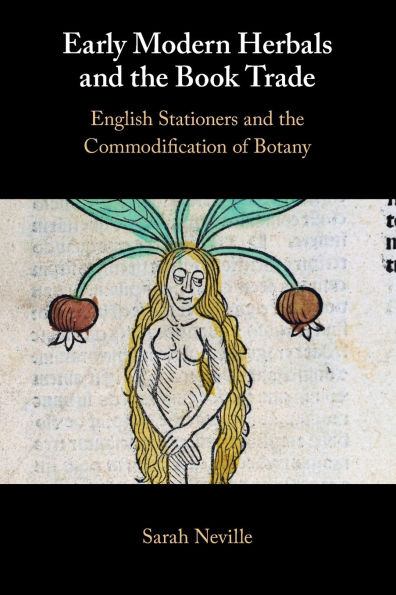
Early Modern Herbals and the Book Trade: English Stationers Commodification of Botany in Chattanooga, TN
Current price: $106.00
Barnes and Noble
Early Modern Herbals and the Book Trade: English Stationers Commodification of Botany in Chattanooga, TN
Current price: $106.00
Loading Inventory...
Size: Hardcover
Between 1525 and 1640, a remarkable phenomenon occurred in the world of print: England saw the production of more than two dozen editions identified by their imprints or by contemporaries as 'herbals'. Sarah Neville explains how this genre grew from a series of tiny anonymous octavos to authoritative folio tomes with thousands of woodcuts, and how these curious works quickly became valuable commodities within a competitive print marketplace. Designed to serve readers across the social spectrum, these rich material artifacts represented both a profitable investment for publishers and an opportunity for authors to establish their credibility as botanists. Highlighting the shifting contingencies and regulations surrounding herbals and English printing during the sixteenth and early seventeenth century, the book argues that the construction of scientific authority in Renaissance England was inextricably tied up with the circumstances governing print. This title is also available as Open Access on Cambridge Core.
Between 1525 and 1640, a remarkable phenomenon occurred in the world of print: England saw the production of more than two dozen editions identified by their imprints or by contemporaries as 'herbals'. Sarah Neville explains how this genre grew from a series of tiny anonymous octavos to authoritative folio tomes with thousands of woodcuts, and how these curious works quickly became valuable commodities within a competitive print marketplace. Designed to serve readers across the social spectrum, these rich material artifacts represented both a profitable investment for publishers and an opportunity for authors to establish their credibility as botanists. Highlighting the shifting contingencies and regulations surrounding herbals and English printing during the sixteenth and early seventeenth century, the book argues that the construction of scientific authority in Renaissance England was inextricably tied up with the circumstances governing print. This title is also available as Open Access on Cambridge Core.
You May Also Like

















More About Barnes and Noble at Hamilton Place
Barnes & Noble is the world’s largest retail bookseller and a leading retailer of content, digital media and educational products. Our Nook Digital business offers a lineup of NOOK® tablets and e-Readers and an expansive collection of digital reading content through the NOOK Store®. Barnes & Noble’s mission is to operate the best omni-channel specialty retail business in America, helping both our customers and booksellers reach their aspirations, while being a credit to the communities we serve.
2100 Hamilton Pl Blvd, Chattanooga, TN 37421, United States
Find Barnes and Noble at Hamilton Place in Chattanooga, TN
Visit Barnes and Noble at Hamilton Place in Chattanooga, TN