
Home
Disease Eradication in the 21st Century: Implications for Global Health
Barnes and Noble
Loading Inventory...
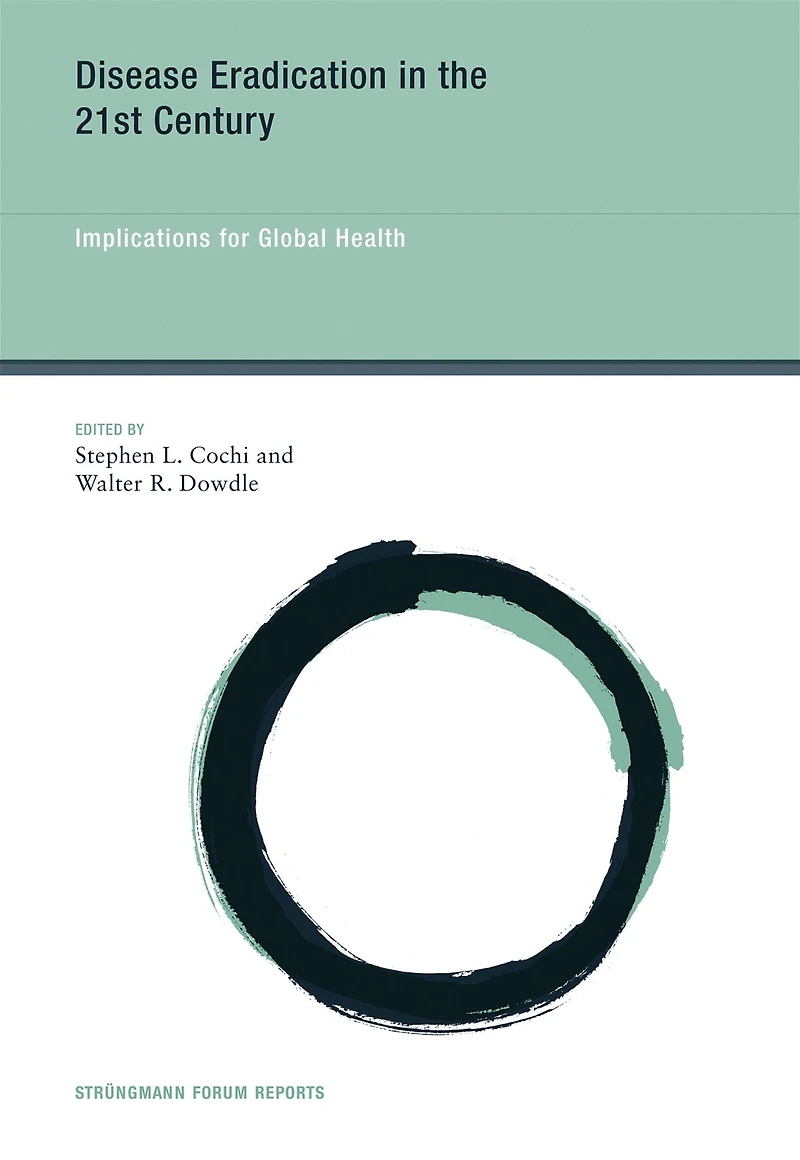
Disease Eradication in the 21st Century: Implications for Global Health in Chattanooga, TN
By Barnes & Noble
Current price: $40.00
Barnes and Noble
Disease Eradication in the 21st Century: Implications for Global Health in Chattanooga, TN
By Barnes & Noble
Current price: $40.00
Loading Inventory...
Size: Paperback
Experts explore the biological, social, and economic complexities of eradicating disease.Disease eradication represents the ultimate in global equity and the definitive outcome of good public health practice. Thirty years ago, the elimination of smallpox defined disease eradication as a monumental global achievement with lasting benefits for society. Today, the global commitment to eradicate polio and guinea worm and heightened interest in the potential eradication of other infectious diseases, including measles/rubella, lymphatic filariasis, onchocerciasis, and malaria, dominate public health concerns. But what does it take to eradicate a disease? This book takes a fresh look at the evolving concepts of disease eradication, influenced by scientific advances, field experience, societal issues, and economic realities. A diverse group of experts from around the world, representing a range of disciplines, examines the biological, social, political, and economic complexities of eradicating a disease.The book details lessons learned from the initiatives against polio, measles/rubella, and onchocerciasis. Further chapters examine ethical issues, the investment case, governance models, organizational and institutional arrangements, political and social factors, feasibility of eradication goals, priority setting, and the integration of disease eradication programs with existing health systems.ContributorsStephen L. Cochi, Walter R. Dowdle, Claudia I. Emerson, Kimberly M. Thompson, Radboud J. Duintjer Tebbens, Regina Rabinovich, Lesong Conteh, B. Fenton Hall, Peter A. Singer, Maya Vijayaraghavan, Damian G. Walker, Kari Stoever, Julie Jacobson, Andy Wright, Chris Maher, Bruce Aylward, Ali Jaffer Mohamed, T. Jacob John, Robert S. Scott, Robert Hall, Jeffrey Bates, Sherine Guirguis, Thomas Moran, Peter Strebel, Eric A. Ottesen, Ciro de Quadros, Linda Muller, Jai Prakash Narain, Ole Wichmann, Alan R. Hinman, Stewart Tyson, Robin Biellik, Piya Hanvoravongchai, Sandra Mounier-Jack, Valeria Oliveira Cruz, Dina Balabanova, Yayehyirad Kitaw, Tracey Koehlmoos, Sebastião Loureiro, Mitike Molla, Ha Trong Nguyen, Pierre Ongolo-Zogo, Umeda Sadykova, Harbandhu Sarma, Maria Gloria Teixeira M, Jasim Uddin, Alya Dabbagh, Ulla Kou Griffiths, Muhammad Ali Pate, John O. Gyapong, Adrian Hopkins, Dairiku Hozumi, Mwelecele Malecela
Experts explore the biological, social, and economic complexities of eradicating disease.Disease eradication represents the ultimate in global equity and the definitive outcome of good public health practice. Thirty years ago, the elimination of smallpox defined disease eradication as a monumental global achievement with lasting benefits for society. Today, the global commitment to eradicate polio and guinea worm and heightened interest in the potential eradication of other infectious diseases, including measles/rubella, lymphatic filariasis, onchocerciasis, and malaria, dominate public health concerns. But what does it take to eradicate a disease? This book takes a fresh look at the evolving concepts of disease eradication, influenced by scientific advances, field experience, societal issues, and economic realities. A diverse group of experts from around the world, representing a range of disciplines, examines the biological, social, political, and economic complexities of eradicating a disease.The book details lessons learned from the initiatives against polio, measles/rubella, and onchocerciasis. Further chapters examine ethical issues, the investment case, governance models, organizational and institutional arrangements, political and social factors, feasibility of eradication goals, priority setting, and the integration of disease eradication programs with existing health systems.ContributorsStephen L. Cochi, Walter R. Dowdle, Claudia I. Emerson, Kimberly M. Thompson, Radboud J. Duintjer Tebbens, Regina Rabinovich, Lesong Conteh, B. Fenton Hall, Peter A. Singer, Maya Vijayaraghavan, Damian G. Walker, Kari Stoever, Julie Jacobson, Andy Wright, Chris Maher, Bruce Aylward, Ali Jaffer Mohamed, T. Jacob John, Robert S. Scott, Robert Hall, Jeffrey Bates, Sherine Guirguis, Thomas Moran, Peter Strebel, Eric A. Ottesen, Ciro de Quadros, Linda Muller, Jai Prakash Narain, Ole Wichmann, Alan R. Hinman, Stewart Tyson, Robin Biellik, Piya Hanvoravongchai, Sandra Mounier-Jack, Valeria Oliveira Cruz, Dina Balabanova, Yayehyirad Kitaw, Tracey Koehlmoos, Sebastião Loureiro, Mitike Molla, Ha Trong Nguyen, Pierre Ongolo-Zogo, Umeda Sadykova, Harbandhu Sarma, Maria Gloria Teixeira M, Jasim Uddin, Alya Dabbagh, Ulla Kou Griffiths, Muhammad Ali Pate, John O. Gyapong, Adrian Hopkins, Dairiku Hozumi, Mwelecele Malecela
You May Also Like








More About Barnes and Noble at Hamilton Place
Barnes & Noble is the world’s largest retail bookseller and a leading retailer of content, digital media and educational products. Our Nook Digital business offers a lineup of NOOK® tablets and e-Readers and an expansive collection of digital reading content through the NOOK Store®. Barnes & Noble’s mission is to operate the best omni-channel specialty retail business in America, helping both our customers and booksellers reach their aspirations, while being a credit to the communities we serve.
2100 Hamilton Pl Blvd, Chattanooga, TN 37421, United States
Find Barnes and Noble at Hamilton Place in Chattanooga, TN
Visit Barnes and Noble at Hamilton Place in Chattanooga, TN
