
Home
Disagreement, Deference, and Religious Commitment
Barnes and Noble
Loading Inventory...
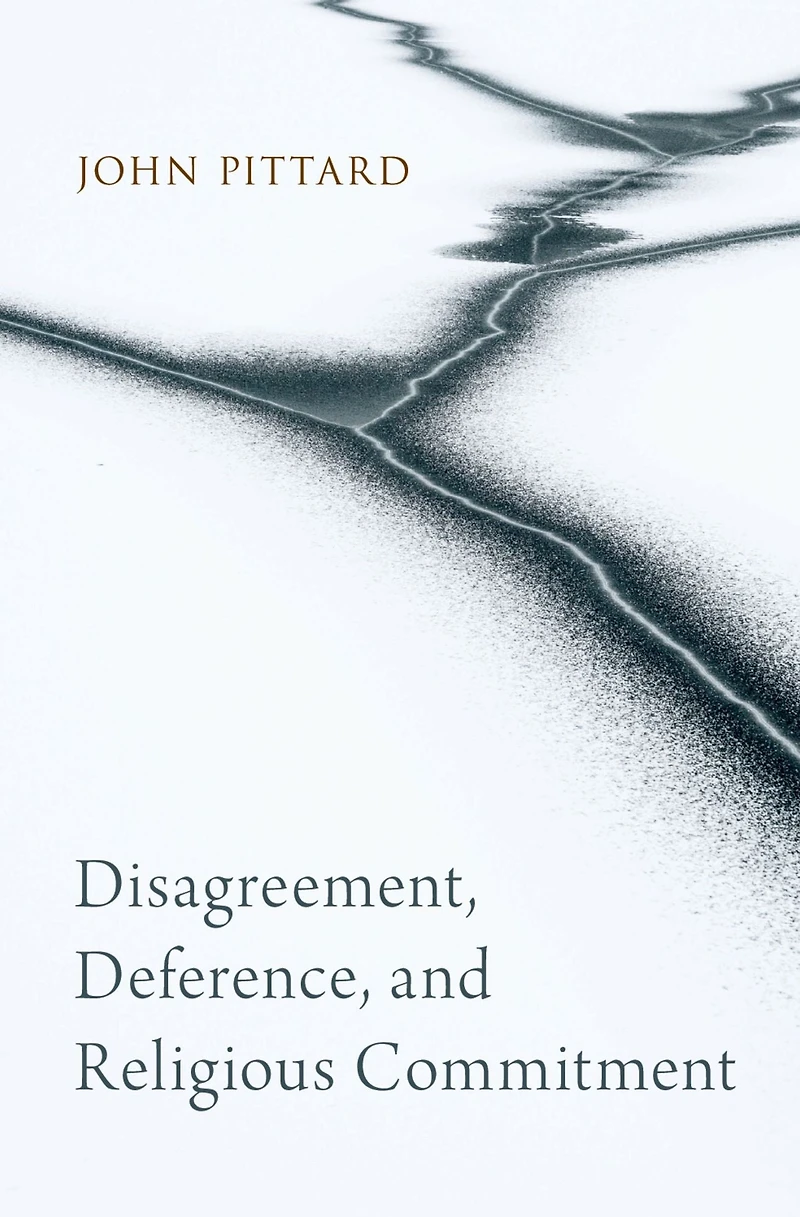
Disagreement, Deference, and Religious Commitment in Chattanooga, TN
By Barnes & Noble
Current price: $25.99
Barnes and Noble
Disagreement, Deference, and Religious Commitment in Chattanooga, TN
By Barnes & Noble
Current price: $25.99
Loading Inventory...
Size: EBook
The striking extent of religious disagreement suggests that religious conviction is very often the result of processes that do not reliably produce true beliefs. For this reason, many have argued that the only rational response to religious disagreement is to adopt a religious skepticism that eschews confident religious belief. Disagreement, Deference, and Religious Commitment contests this skeptical conclusion, explaining how it could be rational to maintain confident belief even in the face of the epistemic worries posed by disagreement. John Pittard argues against the commitment to rigorous epistemic impartiality that underlies the case for disagreement-motivated religious skepticism, while also critiquing approaches to disagreement that allow for the unproblematic privileging of one's first-person perspective. He emphasizes the importance of having rational insight into reasons that favor one's outlook; however, he challenges narrowly intellectualist accounts of insight, arguing that many of the rational insights crucial to assessing religious outlooks are not achievable through analytical reasoning, but only through relevant emotional experiences. In the second part of the book, Pittard considers the implications that accepting the impartiality requirement favored by "disagreement skeptics" has for religious commitment. He challenges the common assumption that a commitment to rigorous epistemic impartiality would rule out confident religious belief. He further argues, however, that such an impartiality commitment would likely make it irrational to pursue one's favored form of religious life and might prevent one from rationally engaging in any religious or irreligious way of life whatsoever. This troubling conclusion gives reason to hope that the arguments against impartiality are correct and that one can justify conviction despite widespread disagreement.
The striking extent of religious disagreement suggests that religious conviction is very often the result of processes that do not reliably produce true beliefs. For this reason, many have argued that the only rational response to religious disagreement is to adopt a religious skepticism that eschews confident religious belief. Disagreement, Deference, and Religious Commitment contests this skeptical conclusion, explaining how it could be rational to maintain confident belief even in the face of the epistemic worries posed by disagreement. John Pittard argues against the commitment to rigorous epistemic impartiality that underlies the case for disagreement-motivated religious skepticism, while also critiquing approaches to disagreement that allow for the unproblematic privileging of one's first-person perspective. He emphasizes the importance of having rational insight into reasons that favor one's outlook; however, he challenges narrowly intellectualist accounts of insight, arguing that many of the rational insights crucial to assessing religious outlooks are not achievable through analytical reasoning, but only through relevant emotional experiences. In the second part of the book, Pittard considers the implications that accepting the impartiality requirement favored by "disagreement skeptics" has for religious commitment. He challenges the common assumption that a commitment to rigorous epistemic impartiality would rule out confident religious belief. He further argues, however, that such an impartiality commitment would likely make it irrational to pursue one's favored form of religious life and might prevent one from rationally engaging in any religious or irreligious way of life whatsoever. This troubling conclusion gives reason to hope that the arguments against impartiality are correct and that one can justify conviction despite widespread disagreement.
You May Also Like













More About Barnes and Noble at Hamilton Place
Barnes & Noble is the world’s largest retail bookseller and a leading retailer of content, digital media and educational products. Our Nook Digital business offers a lineup of NOOK® tablets and e-Readers and an expansive collection of digital reading content through the NOOK Store®. Barnes & Noble’s mission is to operate the best omni-channel specialty retail business in America, helping both our customers and booksellers reach their aspirations, while being a credit to the communities we serve.
2100 Hamilton Pl Blvd, Chattanooga, TN 37421, United States
Find Barnes and Noble at Hamilton Place in Chattanooga, TN
Visit Barnes and Noble at Hamilton Place in Chattanooga, TN
