
Home
Dignity and Destiny: Humanity the Image of God
Barnes and Noble
Loading Inventory...
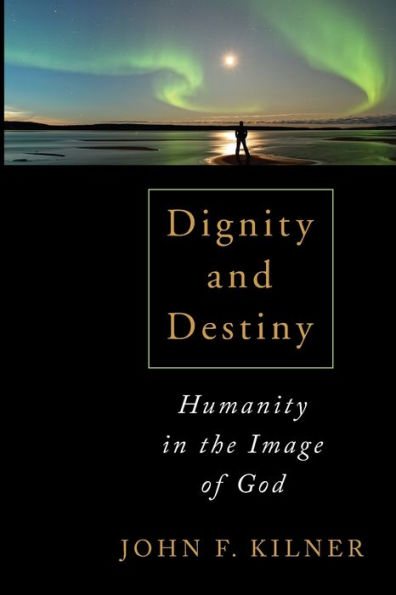
Dignity and Destiny: Humanity the Image of God in Chattanooga, TN
Current price: $41.99
Barnes and Noble
Dignity and Destiny: Humanity the Image of God in Chattanooga, TN
Current price: $41.99
Loading Inventory...
Size: Paperback
Misunderstandings about what it means for humans to be created in God's image have wreaked devastation throughout history for example, slavery in the U. S., genocide in Nazi Germany, and the demeaning of women everywhere.
In
Dignity and Destiny
John Kilner explores what the Bible itself teaches about humanity being in God's image. He discusses in detail all of the biblical references to the image of God, interacts extensively with other work on the topic, and documents how misunderstandings of it have been so problematic.
People made according to God's image, Kilner says, have a special connection with God and are intended to be a meaningful reflection of him. Because of sin, they don't actually reflect him very well, but Kilner shows why the popular idea that sin has damaged the image of God is mistaken. He also clarifies the biblical difference between
being
God's image (which Christ is) and being
in
God's image (which humans are). He explains how humanity's creation and renewal in God's image are central, respectively, to human dignity and destiny.
Locating Christ at the center of what God's image means, Kilner charts a constructive way forward and reflects on the tremendously liberating impact that a sound understanding of the image of God can have in the world today.
In
Dignity and Destiny
John Kilner explores what the Bible itself teaches about humanity being in God's image. He discusses in detail all of the biblical references to the image of God, interacts extensively with other work on the topic, and documents how misunderstandings of it have been so problematic.
People made according to God's image, Kilner says, have a special connection with God and are intended to be a meaningful reflection of him. Because of sin, they don't actually reflect him very well, but Kilner shows why the popular idea that sin has damaged the image of God is mistaken. He also clarifies the biblical difference between
being
God's image (which Christ is) and being
in
God's image (which humans are). He explains how humanity's creation and renewal in God's image are central, respectively, to human dignity and destiny.
Locating Christ at the center of what God's image means, Kilner charts a constructive way forward and reflects on the tremendously liberating impact that a sound understanding of the image of God can have in the world today.
Misunderstandings about what it means for humans to be created in God's image have wreaked devastation throughout history for example, slavery in the U. S., genocide in Nazi Germany, and the demeaning of women everywhere.
In
Dignity and Destiny
John Kilner explores what the Bible itself teaches about humanity being in God's image. He discusses in detail all of the biblical references to the image of God, interacts extensively with other work on the topic, and documents how misunderstandings of it have been so problematic.
People made according to God's image, Kilner says, have a special connection with God and are intended to be a meaningful reflection of him. Because of sin, they don't actually reflect him very well, but Kilner shows why the popular idea that sin has damaged the image of God is mistaken. He also clarifies the biblical difference between
being
God's image (which Christ is) and being
in
God's image (which humans are). He explains how humanity's creation and renewal in God's image are central, respectively, to human dignity and destiny.
Locating Christ at the center of what God's image means, Kilner charts a constructive way forward and reflects on the tremendously liberating impact that a sound understanding of the image of God can have in the world today.
In
Dignity and Destiny
John Kilner explores what the Bible itself teaches about humanity being in God's image. He discusses in detail all of the biblical references to the image of God, interacts extensively with other work on the topic, and documents how misunderstandings of it have been so problematic.
People made according to God's image, Kilner says, have a special connection with God and are intended to be a meaningful reflection of him. Because of sin, they don't actually reflect him very well, but Kilner shows why the popular idea that sin has damaged the image of God is mistaken. He also clarifies the biblical difference between
being
God's image (which Christ is) and being
in
God's image (which humans are). He explains how humanity's creation and renewal in God's image are central, respectively, to human dignity and destiny.
Locating Christ at the center of what God's image means, Kilner charts a constructive way forward and reflects on the tremendously liberating impact that a sound understanding of the image of God can have in the world today.
You May Also Like













More About Barnes and Noble at Hamilton Place
Barnes & Noble is the world’s largest retail bookseller and a leading retailer of content, digital media and educational products. Our Nook Digital business offers a lineup of NOOK® tablets and e-Readers and an expansive collection of digital reading content through the NOOK Store®. Barnes & Noble’s mission is to operate the best omni-channel specialty retail business in America, helping both our customers and booksellers reach their aspirations, while being a credit to the communities we serve.
2100 Hamilton Pl Blvd, Chattanooga, TN 37421, United States
Find Barnes and Noble at Hamilton Place in Chattanooga, TN
Visit Barnes and Noble at Hamilton Place in Chattanooga, TN
