
Home
Digital Futures Human-Computer Interaction: Design Thinking for Transformation
Barnes and Noble
Loading Inventory...
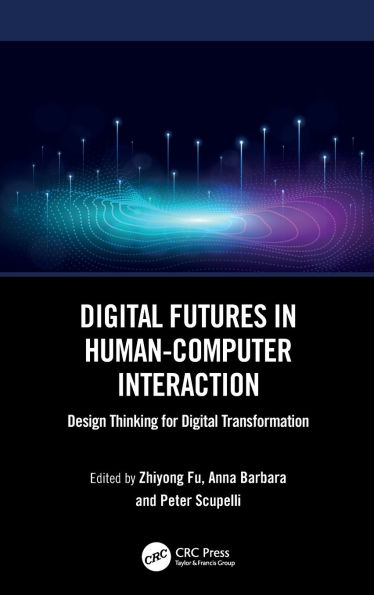
Digital Futures Human-Computer Interaction: Design Thinking for Transformation in Chattanooga, TN
Current price: $120.00
Barnes and Noble
Digital Futures Human-Computer Interaction: Design Thinking for Transformation in Chattanooga, TN
Current price: $120.00
Loading Inventory...
Size: Hardcover
The application of futures thinking in Human-Computer Interaction (HCI) has become increasingly important in recent years. Integrating speculative thinking with future design approaches has allowed HCI researchers to explore the potential impacts of technology on digital society. However, the implementation and application of futures thinking in HCI research is an emerging area.
Digital Futures in Human-Computer Interaction: Design Thinking for Digital Transformation
fills this gap by systematically analyzing HCI's innovation trends in the digital era.
This book explores the dialogue between digital transformation and futures thinking for alternative visions of HCI research. The book highlights significant trends and advancements in futures thinking related to HCI. Case studies illustrate the role of futures thinking, offering readers a broad overview of the subject while detailing the competencies and practices that can lead to successful futures design.
This engaging and informative reference will appeal to students, academics, and researchers interested in various design aspects related to HCI. These aspects include service design, sustainable design, product design, space design, visual communication, design education, futures studies, and social innovation.
Digital Futures in Human-Computer Interaction: Design Thinking for Digital Transformation
fills this gap by systematically analyzing HCI's innovation trends in the digital era.
This book explores the dialogue between digital transformation and futures thinking for alternative visions of HCI research. The book highlights significant trends and advancements in futures thinking related to HCI. Case studies illustrate the role of futures thinking, offering readers a broad overview of the subject while detailing the competencies and practices that can lead to successful futures design.
This engaging and informative reference will appeal to students, academics, and researchers interested in various design aspects related to HCI. These aspects include service design, sustainable design, product design, space design, visual communication, design education, futures studies, and social innovation.
The application of futures thinking in Human-Computer Interaction (HCI) has become increasingly important in recent years. Integrating speculative thinking with future design approaches has allowed HCI researchers to explore the potential impacts of technology on digital society. However, the implementation and application of futures thinking in HCI research is an emerging area.
Digital Futures in Human-Computer Interaction: Design Thinking for Digital Transformation
fills this gap by systematically analyzing HCI's innovation trends in the digital era.
This book explores the dialogue between digital transformation and futures thinking for alternative visions of HCI research. The book highlights significant trends and advancements in futures thinking related to HCI. Case studies illustrate the role of futures thinking, offering readers a broad overview of the subject while detailing the competencies and practices that can lead to successful futures design.
This engaging and informative reference will appeal to students, academics, and researchers interested in various design aspects related to HCI. These aspects include service design, sustainable design, product design, space design, visual communication, design education, futures studies, and social innovation.
Digital Futures in Human-Computer Interaction: Design Thinking for Digital Transformation
fills this gap by systematically analyzing HCI's innovation trends in the digital era.
This book explores the dialogue between digital transformation and futures thinking for alternative visions of HCI research. The book highlights significant trends and advancements in futures thinking related to HCI. Case studies illustrate the role of futures thinking, offering readers a broad overview of the subject while detailing the competencies and practices that can lead to successful futures design.
This engaging and informative reference will appeal to students, academics, and researchers interested in various design aspects related to HCI. These aspects include service design, sustainable design, product design, space design, visual communication, design education, futures studies, and social innovation.
You May Also Like













More About Barnes and Noble at Hamilton Place
Barnes & Noble is the world’s largest retail bookseller and a leading retailer of content, digital media and educational products. Our Nook Digital business offers a lineup of NOOK® tablets and e-Readers and an expansive collection of digital reading content through the NOOK Store®. Barnes & Noble’s mission is to operate the best omni-channel specialty retail business in America, helping both our customers and booksellers reach their aspirations, while being a credit to the communities we serve.
2100 Hamilton Pl Blvd, Chattanooga, TN 37421, United States
Find Barnes and Noble at Hamilton Place in Chattanooga, TN
Visit Barnes and Noble at Hamilton Place in Chattanooga, TN
