
Home
Difficult pasts: Post-Reformation memory and the medieval romance
Barnes and Noble
Loading Inventory...
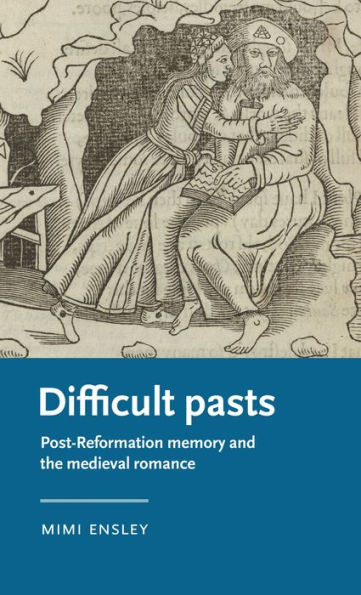
Difficult pasts: Post-Reformation memory and the medieval romance in Chattanooga, TN
Current price: $130.00
Barnes and Noble
Difficult pasts: Post-Reformation memory and the medieval romance in Chattanooga, TN
Current price: $130.00
Loading Inventory...
Size: Hardcover
Medieval romances were widely condemned by early modern thinkers: the genre of questing knights and marvellous adventure was decried as bloody, bawdy and superstitious. Despite such proclamations, though, the Middle English romance genre remained popular across the early modern period.
Difficult pasts examines the reception of Middle English romances after the Protestant Reformation in England, arguing that the genre’s popularity rested not in its violent or superstitious qualities, but in its multivocality. Incorporating insights from book history, reception history and cultural memory studies, Ensley argues that the medieval romance book became a flexible site of memory with which early modern readers could both connect with and distance themselves from the recent ‘difficult past’, a past that invited controversy and encouraged divided perspectives. Central characters in this study range from canonical authors like Geoffrey Chaucer and Edmund Spenser to less studied figures, such as printer William Copland, Elizabethan scribe Edward Banister and seventeenthcentury poet and romance enthusiast, John Lane. In uniting a wide range of romance readers’ perspectives, the book complicates clear ruptures between manuscript and print, Catholic and Protestant, or medieval and Renaissance. Difficult pasts reveals how the romance book offers a new way to understand the simultaneous change and continuity that defines postReformation England.
Difficult pasts examines the reception of Middle English romances after the Protestant Reformation in England, arguing that the genre’s popularity rested not in its violent or superstitious qualities, but in its multivocality. Incorporating insights from book history, reception history and cultural memory studies, Ensley argues that the medieval romance book became a flexible site of memory with which early modern readers could both connect with and distance themselves from the recent ‘difficult past’, a past that invited controversy and encouraged divided perspectives. Central characters in this study range from canonical authors like Geoffrey Chaucer and Edmund Spenser to less studied figures, such as printer William Copland, Elizabethan scribe Edward Banister and seventeenthcentury poet and romance enthusiast, John Lane. In uniting a wide range of romance readers’ perspectives, the book complicates clear ruptures between manuscript and print, Catholic and Protestant, or medieval and Renaissance. Difficult pasts reveals how the romance book offers a new way to understand the simultaneous change and continuity that defines postReformation England.
Medieval romances were widely condemned by early modern thinkers: the genre of questing knights and marvellous adventure was decried as bloody, bawdy and superstitious. Despite such proclamations, though, the Middle English romance genre remained popular across the early modern period.
Difficult pasts examines the reception of Middle English romances after the Protestant Reformation in England, arguing that the genre’s popularity rested not in its violent or superstitious qualities, but in its multivocality. Incorporating insights from book history, reception history and cultural memory studies, Ensley argues that the medieval romance book became a flexible site of memory with which early modern readers could both connect with and distance themselves from the recent ‘difficult past’, a past that invited controversy and encouraged divided perspectives. Central characters in this study range from canonical authors like Geoffrey Chaucer and Edmund Spenser to less studied figures, such as printer William Copland, Elizabethan scribe Edward Banister and seventeenthcentury poet and romance enthusiast, John Lane. In uniting a wide range of romance readers’ perspectives, the book complicates clear ruptures between manuscript and print, Catholic and Protestant, or medieval and Renaissance. Difficult pasts reveals how the romance book offers a new way to understand the simultaneous change and continuity that defines postReformation England.
Difficult pasts examines the reception of Middle English romances after the Protestant Reformation in England, arguing that the genre’s popularity rested not in its violent or superstitious qualities, but in its multivocality. Incorporating insights from book history, reception history and cultural memory studies, Ensley argues that the medieval romance book became a flexible site of memory with which early modern readers could both connect with and distance themselves from the recent ‘difficult past’, a past that invited controversy and encouraged divided perspectives. Central characters in this study range from canonical authors like Geoffrey Chaucer and Edmund Spenser to less studied figures, such as printer William Copland, Elizabethan scribe Edward Banister and seventeenthcentury poet and romance enthusiast, John Lane. In uniting a wide range of romance readers’ perspectives, the book complicates clear ruptures between manuscript and print, Catholic and Protestant, or medieval and Renaissance. Difficult pasts reveals how the romance book offers a new way to understand the simultaneous change and continuity that defines postReformation England.
You May Also Like










More About Barnes and Noble at Hamilton Place
Barnes & Noble is the world’s largest retail bookseller and a leading retailer of content, digital media and educational products. Our Nook Digital business offers a lineup of NOOK® tablets and e-Readers and an expansive collection of digital reading content through the NOOK Store®. Barnes & Noble’s mission is to operate the best omni-channel specialty retail business in America, helping both our customers and booksellers reach their aspirations, while being a credit to the communities we serve.
2100 Hamilton Pl Blvd, Chattanooga, TN 37421, United States
Find Barnes and Noble at Hamilton Place in Chattanooga, TN
Visit Barnes and Noble at Hamilton Place in Chattanooga, TN
