
Home
Die Erdkunde. Band VI,
Barnes and Noble
Loading Inventory...
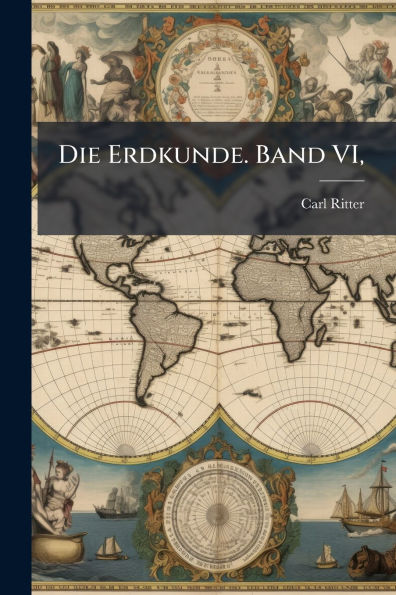
Die Erdkunde. Band VI, in Chattanooga, TN
Current price: $51.95
Barnes and Noble
Die Erdkunde. Band VI, in Chattanooga, TN
Current price: $51.95
Loading Inventory...
Size: Hardcover
Die Erdkunde, Band VI
by Carl Ritter, a monumental work of 19th-century geography, offers a comprehensive exploration of the Earth's regions. Ritter's meticulous approach combines detailed descriptions of landscapes, climates, and natural resources with insightful observations on human societies and their interactions with the environment. This volume continues Ritter's systematic examination of the world, reflecting his profound influence on the development of geography as a scientific discipline.
Ritter's work is characterized by its holistic perspective, emphasizing the interconnectedness of physical and human phenomena. His writings not only provide a wealth of geographical information but also offer a glimpse into the intellectual landscape of the 19th century.
Die Erdkunde
remains a valuable resource for scholars interested in the history of geography and the evolution of scientific thought.
This work has been selected by scholars as being culturally important, and is part of the knowledge base of civilization as we know it. This work was reproduced from the original artifact, and remains as true to the original work as possible. Therefore, you will see the original copyright references, library stamps (as most of these works have been housed in our most important libraries around the world), and other notations in the work.
This work is in the public domain in the United States of America, and possibly other nations. Within the United States, you may freely copy and distribute this work, as no entity (individual or corporate) has a copyright on the body of the work.
As a reproduction of a historical artifact, this work may contain missing or blurred pages, poor pictures, errant marks, etc. Scholars believe, and we concur, that this work is important enough to be preserved, reproduced, and made generally available to the public. We appreciate your support of the preservation process, and thank you for being an important part of keeping this knowledge alive and relevant.
by Carl Ritter, a monumental work of 19th-century geography, offers a comprehensive exploration of the Earth's regions. Ritter's meticulous approach combines detailed descriptions of landscapes, climates, and natural resources with insightful observations on human societies and their interactions with the environment. This volume continues Ritter's systematic examination of the world, reflecting his profound influence on the development of geography as a scientific discipline.
Ritter's work is characterized by its holistic perspective, emphasizing the interconnectedness of physical and human phenomena. His writings not only provide a wealth of geographical information but also offer a glimpse into the intellectual landscape of the 19th century.
Die Erdkunde
remains a valuable resource for scholars interested in the history of geography and the evolution of scientific thought.
This work has been selected by scholars as being culturally important, and is part of the knowledge base of civilization as we know it. This work was reproduced from the original artifact, and remains as true to the original work as possible. Therefore, you will see the original copyright references, library stamps (as most of these works have been housed in our most important libraries around the world), and other notations in the work.
This work is in the public domain in the United States of America, and possibly other nations. Within the United States, you may freely copy and distribute this work, as no entity (individual or corporate) has a copyright on the body of the work.
As a reproduction of a historical artifact, this work may contain missing or blurred pages, poor pictures, errant marks, etc. Scholars believe, and we concur, that this work is important enough to be preserved, reproduced, and made generally available to the public. We appreciate your support of the preservation process, and thank you for being an important part of keeping this knowledge alive and relevant.
Die Erdkunde, Band VI
by Carl Ritter, a monumental work of 19th-century geography, offers a comprehensive exploration of the Earth's regions. Ritter's meticulous approach combines detailed descriptions of landscapes, climates, and natural resources with insightful observations on human societies and their interactions with the environment. This volume continues Ritter's systematic examination of the world, reflecting his profound influence on the development of geography as a scientific discipline.
Ritter's work is characterized by its holistic perspective, emphasizing the interconnectedness of physical and human phenomena. His writings not only provide a wealth of geographical information but also offer a glimpse into the intellectual landscape of the 19th century.
Die Erdkunde
remains a valuable resource for scholars interested in the history of geography and the evolution of scientific thought.
This work has been selected by scholars as being culturally important, and is part of the knowledge base of civilization as we know it. This work was reproduced from the original artifact, and remains as true to the original work as possible. Therefore, you will see the original copyright references, library stamps (as most of these works have been housed in our most important libraries around the world), and other notations in the work.
This work is in the public domain in the United States of America, and possibly other nations. Within the United States, you may freely copy and distribute this work, as no entity (individual or corporate) has a copyright on the body of the work.
As a reproduction of a historical artifact, this work may contain missing or blurred pages, poor pictures, errant marks, etc. Scholars believe, and we concur, that this work is important enough to be preserved, reproduced, and made generally available to the public. We appreciate your support of the preservation process, and thank you for being an important part of keeping this knowledge alive and relevant.
by Carl Ritter, a monumental work of 19th-century geography, offers a comprehensive exploration of the Earth's regions. Ritter's meticulous approach combines detailed descriptions of landscapes, climates, and natural resources with insightful observations on human societies and their interactions with the environment. This volume continues Ritter's systematic examination of the world, reflecting his profound influence on the development of geography as a scientific discipline.
Ritter's work is characterized by its holistic perspective, emphasizing the interconnectedness of physical and human phenomena. His writings not only provide a wealth of geographical information but also offer a glimpse into the intellectual landscape of the 19th century.
Die Erdkunde
remains a valuable resource for scholars interested in the history of geography and the evolution of scientific thought.
This work has been selected by scholars as being culturally important, and is part of the knowledge base of civilization as we know it. This work was reproduced from the original artifact, and remains as true to the original work as possible. Therefore, you will see the original copyright references, library stamps (as most of these works have been housed in our most important libraries around the world), and other notations in the work.
This work is in the public domain in the United States of America, and possibly other nations. Within the United States, you may freely copy and distribute this work, as no entity (individual or corporate) has a copyright on the body of the work.
As a reproduction of a historical artifact, this work may contain missing or blurred pages, poor pictures, errant marks, etc. Scholars believe, and we concur, that this work is important enough to be preserved, reproduced, and made generally available to the public. We appreciate your support of the preservation process, and thank you for being an important part of keeping this knowledge alive and relevant.
You May Also Like














More About Barnes and Noble at Hamilton Place
Barnes & Noble is the world’s largest retail bookseller and a leading retailer of content, digital media and educational products. Our Nook Digital business offers a lineup of NOOK® tablets and e-Readers and an expansive collection of digital reading content through the NOOK Store®. Barnes & Noble’s mission is to operate the best omni-channel specialty retail business in America, helping both our customers and booksellers reach their aspirations, while being a credit to the communities we serve.
2100 Hamilton Pl Blvd, Chattanooga, TN 37421, United States
Find Barnes and Noble at Hamilton Place in Chattanooga, TN
Visit Barnes and Noble at Hamilton Place in Chattanooga, TN
