
Home
Determinants of Early Childhood Caries
Barnes and Noble
Loading Inventory...
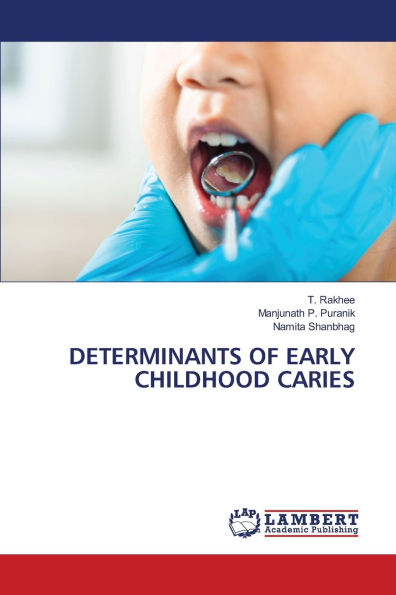
Determinants of Early Childhood Caries in Chattanooga, TN
Current price: $52.00
Barnes and Noble
Determinants of Early Childhood Caries in Chattanooga, TN
Current price: $52.00
Loading Inventory...
Size: OS
Early childhood caries is influenced by a combination of biological, behavioral, social, and environmental factors. At the biological level, cariogenic bacteria such as Streptococcus mutans, frequent sugar intake, poor enamel quality, and reduced saliva flow increased risk. Feeding habits like prolonged bottle use, nighttime breastfeeding, or frequent snacking on sugary foods provide constant fuel for bacteria. Caregiver practices and knowledge also play a major role-delayed toothbrushing, limited use of fluoride, and low priority given to dental visits contribute significantly. Socio-economic conditions such as poverty, low parental education, and lack of access to dental care or fluoridated water are among the strongest predictors, since they shape diet, hygiene routines, and service use. Cultural norms, community resources, and public policies further influence whether children receive preventive care and adopt healthy practices. In short, ECC is a multifactorial disease, with determinants ranging from bacteria and diet to family behaviors, socio-economic status, and broader environmental and policy contexts.
Early childhood caries is influenced by a combination of biological, behavioral, social, and environmental factors. At the biological level, cariogenic bacteria such as Streptococcus mutans, frequent sugar intake, poor enamel quality, and reduced saliva flow increased risk. Feeding habits like prolonged bottle use, nighttime breastfeeding, or frequent snacking on sugary foods provide constant fuel for bacteria. Caregiver practices and knowledge also play a major role-delayed toothbrushing, limited use of fluoride, and low priority given to dental visits contribute significantly. Socio-economic conditions such as poverty, low parental education, and lack of access to dental care or fluoridated water are among the strongest predictors, since they shape diet, hygiene routines, and service use. Cultural norms, community resources, and public policies further influence whether children receive preventive care and adopt healthy practices. In short, ECC is a multifactorial disease, with determinants ranging from bacteria and diet to family behaviors, socio-economic status, and broader environmental and policy contexts.
You May Also Like









More About Barnes and Noble at Hamilton Place
Barnes & Noble is the world’s largest retail bookseller and a leading retailer of content, digital media and educational products. Our Nook Digital business offers a lineup of NOOK® tablets and e-Readers and an expansive collection of digital reading content through the NOOK Store®. Barnes & Noble’s mission is to operate the best omni-channel specialty retail business in America, helping both our customers and booksellers reach their aspirations, while being a credit to the communities we serve.
2100 Hamilton Pl Blvd, Chattanooga, TN 37421, United States
Find Barnes and Noble at Hamilton Place in Chattanooga, TN
Visit Barnes and Noble at Hamilton Place in Chattanooga, TN
