
Home
Customary Nationalism Crisis: Protest, Identity and Politics eSwatini
Barnes and Noble
Loading Inventory...
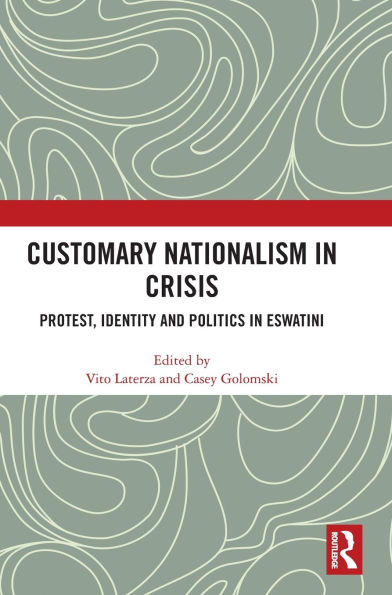
Customary Nationalism Crisis: Protest, Identity and Politics eSwatini in Chattanooga, TN
Current price: $190.00
Barnes and Noble
Customary Nationalism Crisis: Protest, Identity and Politics eSwatini in Chattanooga, TN
Current price: $190.00
Loading Inventory...
Size: Hardcover
This book examines the aftermath of eSwatini's fiftieth anniversary of independence and the COVID-19 pandemic, when many citizens of this last absolute monarchy in Africa took to their communities in unprecedented protests for democratic reform. For raising their voices, they were met with brutal police violence.
Customary Nationalism in Crisis
offers snapshots of life in the Kingdom leading up to and in the aftermath of this epic moment, providing lessons to the world on the power of the government to shape our lives through the guise of custom and tradition and the power of ordinary people to resist this.
Through a range of research written primarily by scholar-nationals of eSwatini, the book shows how ordinary women, men, and young people redefine language and their identities—ethnic, racial, and gender—and question what it means to be a citizen, from their classrooms to clinics, and from their workplaces to the halls of Parliament.
shows that, despite the persistence of authoritarianism, citizens also adapt over the long-term to survive and thrive.
This volume will appeal to scholars and students in African studies, political science, anthropology, sociology, and gender studies, as well as policymakers, human rights advocates, and development practitioners interested in southern Africa.
The chapters in this volume were originally published as a special issue of
Journal of Contemporary African Studies.
Customary Nationalism in Crisis
offers snapshots of life in the Kingdom leading up to and in the aftermath of this epic moment, providing lessons to the world on the power of the government to shape our lives through the guise of custom and tradition and the power of ordinary people to resist this.
Through a range of research written primarily by scholar-nationals of eSwatini, the book shows how ordinary women, men, and young people redefine language and their identities—ethnic, racial, and gender—and question what it means to be a citizen, from their classrooms to clinics, and from their workplaces to the halls of Parliament.
shows that, despite the persistence of authoritarianism, citizens also adapt over the long-term to survive and thrive.
This volume will appeal to scholars and students in African studies, political science, anthropology, sociology, and gender studies, as well as policymakers, human rights advocates, and development practitioners interested in southern Africa.
The chapters in this volume were originally published as a special issue of
Journal of Contemporary African Studies.
This book examines the aftermath of eSwatini's fiftieth anniversary of independence and the COVID-19 pandemic, when many citizens of this last absolute monarchy in Africa took to their communities in unprecedented protests for democratic reform. For raising their voices, they were met with brutal police violence.
Customary Nationalism in Crisis
offers snapshots of life in the Kingdom leading up to and in the aftermath of this epic moment, providing lessons to the world on the power of the government to shape our lives through the guise of custom and tradition and the power of ordinary people to resist this.
Through a range of research written primarily by scholar-nationals of eSwatini, the book shows how ordinary women, men, and young people redefine language and their identities—ethnic, racial, and gender—and question what it means to be a citizen, from their classrooms to clinics, and from their workplaces to the halls of Parliament.
shows that, despite the persistence of authoritarianism, citizens also adapt over the long-term to survive and thrive.
This volume will appeal to scholars and students in African studies, political science, anthropology, sociology, and gender studies, as well as policymakers, human rights advocates, and development practitioners interested in southern Africa.
The chapters in this volume were originally published as a special issue of
Journal of Contemporary African Studies.
Customary Nationalism in Crisis
offers snapshots of life in the Kingdom leading up to and in the aftermath of this epic moment, providing lessons to the world on the power of the government to shape our lives through the guise of custom and tradition and the power of ordinary people to resist this.
Through a range of research written primarily by scholar-nationals of eSwatini, the book shows how ordinary women, men, and young people redefine language and their identities—ethnic, racial, and gender—and question what it means to be a citizen, from their classrooms to clinics, and from their workplaces to the halls of Parliament.
shows that, despite the persistence of authoritarianism, citizens also adapt over the long-term to survive and thrive.
This volume will appeal to scholars and students in African studies, political science, anthropology, sociology, and gender studies, as well as policymakers, human rights advocates, and development practitioners interested in southern Africa.
The chapters in this volume were originally published as a special issue of
Journal of Contemporary African Studies.
You May Also Like















More About Barnes and Noble at Hamilton Place
Barnes & Noble is the world’s largest retail bookseller and a leading retailer of content, digital media and educational products. Our Nook Digital business offers a lineup of NOOK® tablets and e-Readers and an expansive collection of digital reading content through the NOOK Store®. Barnes & Noble’s mission is to operate the best omni-channel specialty retail business in America, helping both our customers and booksellers reach their aspirations, while being a credit to the communities we serve.
2100 Hamilton Pl Blvd, Chattanooga, TN 37421, United States
Find Barnes and Noble at Hamilton Place in Chattanooga, TN
Visit Barnes and Noble at Hamilton Place in Chattanooga, TN
