
Home
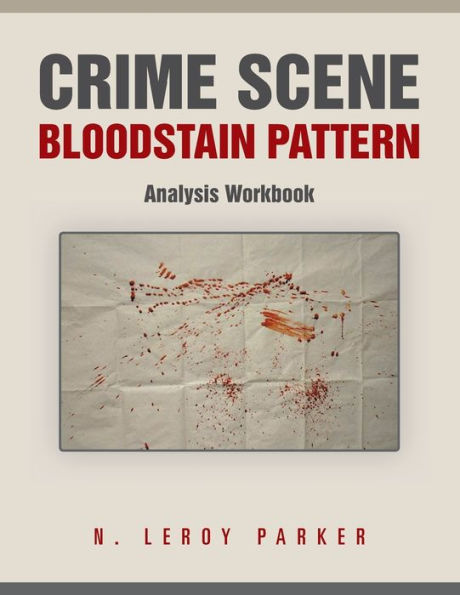
Crime Scene Bloodstain Pattern Analysis Workbook
Barnes and Noble
Loading Inventory...
Crime Scene Bloodstain Pattern Analysis Workbook in Chattanooga, TN
Current price: $37.99
Barnes and Noble
Crime Scene Bloodstain Pattern Analysis Workbook in Chattanooga, TN
Current price: $37.99
Loading Inventory...
Size: Paperback
This workbook is designed to assist the Crime Scene Analyst, Technician or Investigator in documenting bloodstained patterns that are located at the crime scene or on bloodstained items that are submitted for an analysis. It is also designed to assist the Crime Scene Analyst, Technician or Investigator in reconstructing or analyzing a bloodstained crime scene or a bloodstained item for which a bloodstain pattern analysis is requested The documentation could be accomplished with overall, midrange photographs and close-up photographs with 2, 3 or 6 centimeter stick-on tapes that should be placed in the center of each rectangular area. The documentation should also consist of notes and rough sketches with measurements. The close-up photographs of the rectangular areas with the 2, 3 or 6 inches stick-on tapes that were placed in the center of those areas should be taken with a parallel film /camera plane. The stick-on tapes should be labeled according to the surface on which they would be placed. Example: West wall of living room #1 (ww of lr #1) and west wall of living room #2 (ww of lr #2) etc. The number of close-up photographs would be determined by the number of rectangular areas with the stick-on tapes. Example: At least ten (10) close-up photographs should be taken if ten (10) stick-on tapes were placed on the bloodstained surface. The bloodstain pattern reconstruction or analysis should be done by first recognizing and or identifying the many different types of patterns in a bloodstained scene or on a bloody item. The next step should involve the reconstruction of the points or areas of convergence and origin and then a determination of how the other patterns were most likely created. The workbook contains several tasks and assignments that would provide the student with the tools to accomplish the documentation and analysis. The Crime Scene Analyst, Technician or Investigator after successfully completing the workbook / workshop should be aware that: 1.0 Single drops of blood in a crime scene or on an item were influenced by the surface from which the blood fell (the volume); the diameter, the shape, the impact angle, the scalloping of the perimeter and the direction of travel of the dropped blood that impacted the target surface (the volume, the height from which the blood fell, the texture of the target surface on which the blood fell, the angle of the targeted bloodstained surface and the horizontal speed of the source that issued the blood). 2.0 Numerous drops of blood in the same pattern in a crime scene or on an item were influenced by the force or the impact (less than 25 feet per second - dropped blood and cast-off bloodstain); (25 to 100 feet per second - medium velocity bloodstain); (over 100 feet per second - high velocity bloodstain); projected blood (arterial bleeding); transfer of blood from one object to another (contact or transfer bloodstains, imprint bloodstains, smears or swipes and wipes); large volumes of blood (splashed or pooled blood) 3.0 The reconstruction or analysis of the points or areas of origin could be determined by strings, scaled drawings or calculations. The interpretation of the other patterns (non impact) along with the Medical Examiner's autopsy report should allow the crime scene analyst, technician or Investigator to complete a bloodstain pattern analysis report and if possible explain and or testify to the sequence of events that occurred at the crime scene.
This workbook is designed to assist the Crime Scene Analyst, Technician or Investigator in documenting bloodstained patterns that are located at the crime scene or on bloodstained items that are submitted for an analysis. It is also designed to assist the Crime Scene Analyst, Technician or Investigator in reconstructing or analyzing a bloodstained crime scene or a bloodstained item for which a bloodstain pattern analysis is requested The documentation could be accomplished with overall, midrange photographs and close-up photographs with 2, 3 or 6 centimeter stick-on tapes that should be placed in the center of each rectangular area. The documentation should also consist of notes and rough sketches with measurements. The close-up photographs of the rectangular areas with the 2, 3 or 6 inches stick-on tapes that were placed in the center of those areas should be taken with a parallel film /camera plane. The stick-on tapes should be labeled according to the surface on which they would be placed. Example: West wall of living room #1 (ww of lr #1) and west wall of living room #2 (ww of lr #2) etc. The number of close-up photographs would be determined by the number of rectangular areas with the stick-on tapes. Example: At least ten (10) close-up photographs should be taken if ten (10) stick-on tapes were placed on the bloodstained surface. The bloodstain pattern reconstruction or analysis should be done by first recognizing and or identifying the many different types of patterns in a bloodstained scene or on a bloody item. The next step should involve the reconstruction of the points or areas of convergence and origin and then a determination of how the other patterns were most likely created. The workbook contains several tasks and assignments that would provide the student with the tools to accomplish the documentation and analysis. The Crime Scene Analyst, Technician or Investigator after successfully completing the workbook / workshop should be aware that: 1.0 Single drops of blood in a crime scene or on an item were influenced by the surface from which the blood fell (the volume); the diameter, the shape, the impact angle, the scalloping of the perimeter and the direction of travel of the dropped blood that impacted the target surface (the volume, the height from which the blood fell, the texture of the target surface on which the blood fell, the angle of the targeted bloodstained surface and the horizontal speed of the source that issued the blood). 2.0 Numerous drops of blood in the same pattern in a crime scene or on an item were influenced by the force or the impact (less than 25 feet per second - dropped blood and cast-off bloodstain); (25 to 100 feet per second - medium velocity bloodstain); (over 100 feet per second - high velocity bloodstain); projected blood (arterial bleeding); transfer of blood from one object to another (contact or transfer bloodstains, imprint bloodstains, smears or swipes and wipes); large volumes of blood (splashed or pooled blood) 3.0 The reconstruction or analysis of the points or areas of origin could be determined by strings, scaled drawings or calculations. The interpretation of the other patterns (non impact) along with the Medical Examiner's autopsy report should allow the crime scene analyst, technician or Investigator to complete a bloodstain pattern analysis report and if possible explain and or testify to the sequence of events that occurred at the crime scene.
You May Also Like











More About Barnes and Noble at Hamilton Place
Barnes & Noble is the world’s largest retail bookseller and a leading retailer of content, digital media and educational products. Our Nook Digital business offers a lineup of NOOK® tablets and e-Readers and an expansive collection of digital reading content through the NOOK Store®. Barnes & Noble’s mission is to operate the best omni-channel specialty retail business in America, helping both our customers and booksellers reach their aspirations, while being a credit to the communities we serve.
2100 Hamilton Pl Blvd, Chattanooga, TN 37421, United States
Find Barnes and Noble at Hamilton Place in Chattanooga, TN
Visit Barnes and Noble at Hamilton Place in Chattanooga, TN
