
Home
Cosmo Innes and the Defence of Scotland's Past c. 1825-1875
Barnes and Noble
Loading Inventory...
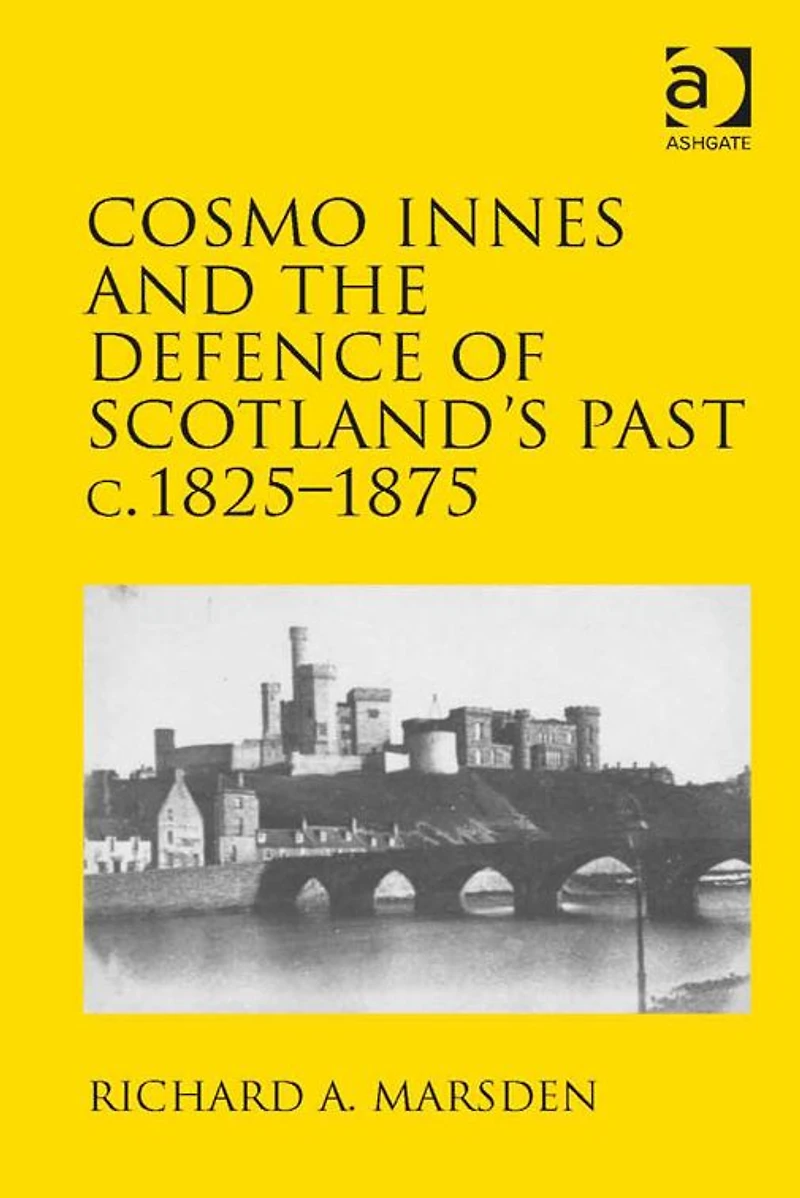
Cosmo Innes and the Defence of Scotland's Past c. 1825-1875 in Chattanooga, TN
By Barnes & Noble
Current price: $149.95
Barnes and Noble
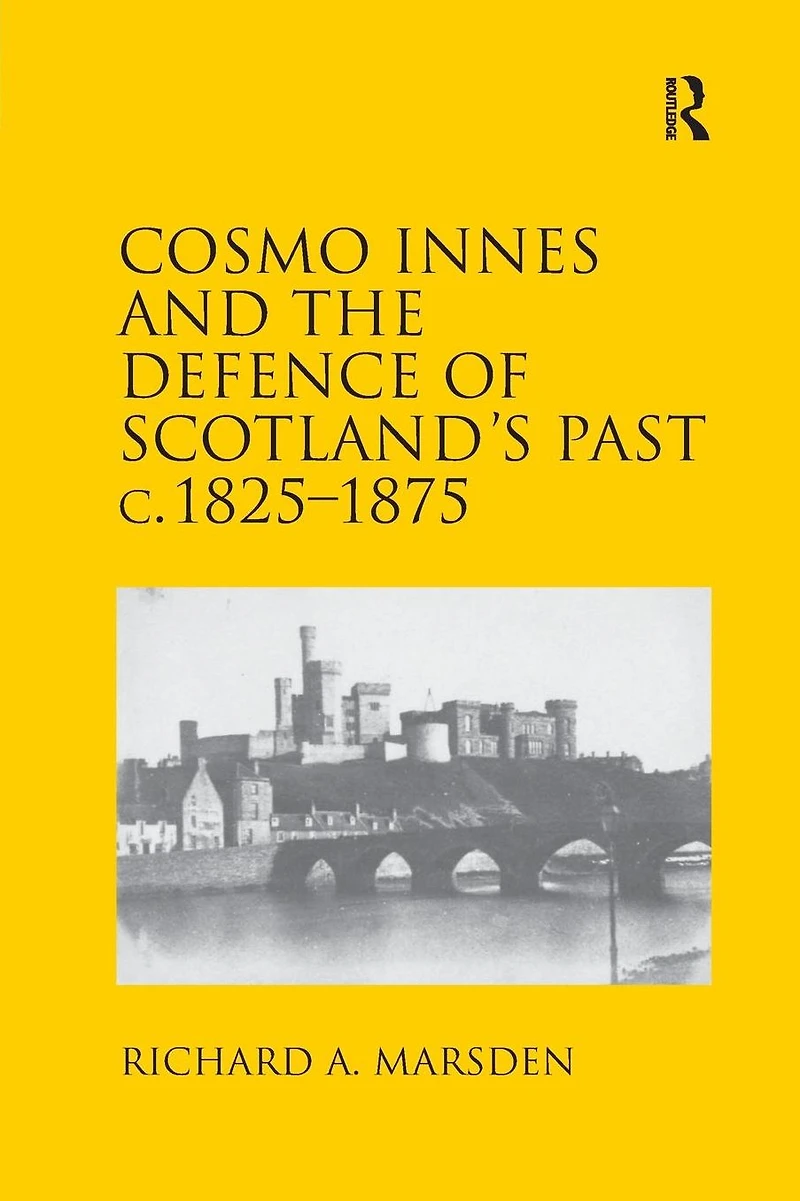
Cosmo Innes and the Defence of Scotland's Past c. 1825-1875 in Chattanooga, TN
By Barnes & Noble
Current price: $149.95
Loading Inventory...
Size: EBook
Today, Scotland's history is frequently associated with the clarion call of political nationalism. However, in the nineteenth century the influence of history on Scottish national identity was far more ambiguous. How, then, did ideas about the past shape Scottish identity in a period when union with England was all but unquestioned? The activities of the antiquary Cosmo Innes (1798-1874) help us to address this question. Innes was a prolific editor of medieval and early modern documents relating to Scotland's parliament, legal system, burghs, universities, aristocratic families and pre-Reformation church. Yet unlike scholars today, he saw that editorial role in interventionist terms. His source editions were artificial constructs that powerfully articulated his worldview and agendas: emphasising Enlightenment-inspired narratives of social progress and institutional development. At the same time they used manuscript facsimiles and images of medieval architecture to foreground a romantic concern for the texture of past lives. Innes operated within an elite associational culture which gave him access to the leading intellectuals and politicians of the day. His representations of Scottish history therefore had significant influence and were put to work as commentaries on some of the major debates which exorcised Scotland's intelligentsia across the middle decades of the century. This analysis of Innes's work with sources, set within the intellectual context of the time and against the antiquarian activities of his contemporaries, provides a window onto the ways in which the 'national past' was perceived in Scotland during the nineteenth century. This allows us to explore how historical thinkers negotiated the apparent dichotomies between Enlightenment and Romanticism, whilst at the same time enabling a re-examination of prevailing assumptions about Scotland's supposed failure to maintain a viable national consciousness in the later 1800s.
Today, Scotland's history is frequently associated with the clarion call of political nationalism. However, in the nineteenth century the influence of history on Scottish national identity was far more ambiguous. How, then, did ideas about the past shape Scottish identity in a period when union with England was all but unquestioned? The activities of the antiquary Cosmo Innes (1798-1874) help us to address this question. Innes was a prolific editor of medieval and early modern documents relating to Scotland's parliament, legal system, burghs, universities, aristocratic families and pre-Reformation church. Yet unlike scholars today, he saw that editorial role in interventionist terms. His source editions were artificial constructs that powerfully articulated his worldview and agendas: emphasising Enlightenment-inspired narratives of social progress and institutional development. At the same time they used manuscript facsimiles and images of medieval architecture to foreground a romantic concern for the texture of past lives. Innes operated within an elite associational culture which gave him access to the leading intellectuals and politicians of the day. His representations of Scottish history therefore had significant influence and were put to work as commentaries on some of the major debates which exorcised Scotland's intelligentsia across the middle decades of the century. This analysis of Innes's work with sources, set within the intellectual context of the time and against the antiquarian activities of his contemporaries, provides a window onto the ways in which the 'national past' was perceived in Scotland during the nineteenth century. This allows us to explore how historical thinkers negotiated the apparent dichotomies between Enlightenment and Romanticism, whilst at the same time enabling a re-examination of prevailing assumptions about Scotland's supposed failure to maintain a viable national consciousness in the later 1800s.
You May Also Like










More About Barnes and Noble at Hamilton Place
Barnes & Noble is the world’s largest retail bookseller and a leading retailer of content, digital media and educational products. Our Nook Digital business offers a lineup of NOOK® tablets and e-Readers and an expansive collection of digital reading content through the NOOK Store®. Barnes & Noble’s mission is to operate the best omni-channel specialty retail business in America, helping both our customers and booksellers reach their aspirations, while being a credit to the communities we serve.
2100 Hamilton Pl Blvd, Chattanooga, TN 37421, United States
Find Barnes and Noble at Hamilton Place in Chattanooga, TN
Visit Barnes and Noble at Hamilton Place in Chattanooga, TN
