
Home
Contesting Social Welfare Southeast Asia
Barnes and Noble
Loading Inventory...
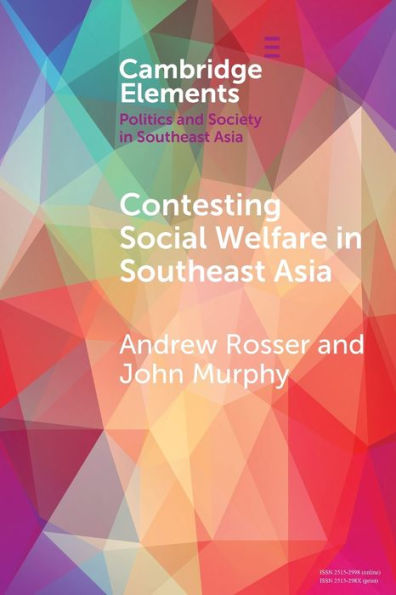
Contesting Social Welfare Southeast Asia in Chattanooga, TN
Current price: $23.00
Barnes and Noble
Contesting Social Welfare Southeast Asia in Chattanooga, TN
Current price: $23.00
Loading Inventory...
Size: Paperback
This Element argues that Southeast Asia's failure to develop stronger social protection systems has been, at its root, a matter of politics and power. It has reflected the political dominance within the region of predatory and technocratic elements, and the relative weakness of progressive elements. From the mid-1980s, democratisation, the emergence of political entrepreneurs seeking to mobilise mass electoral support, and the occurrence of severe economic and social crises generated pressure on governments within the region to strengthen their social protection systems. But while such developments shifted policy in a more progressive direction, they have been insufficient to produce far-reaching change. Rather, they have produced a layering effect. Innovations have built upon pre-existing policy and institutional arrangements without fundamentally altering these arrangements, ensuring that social protection systems continue to have strong conservative, productivist and predatory attributes.
This Element argues that Southeast Asia's failure to develop stronger social protection systems has been, at its root, a matter of politics and power. It has reflected the political dominance within the region of predatory and technocratic elements, and the relative weakness of progressive elements. From the mid-1980s, democratisation, the emergence of political entrepreneurs seeking to mobilise mass electoral support, and the occurrence of severe economic and social crises generated pressure on governments within the region to strengthen their social protection systems. But while such developments shifted policy in a more progressive direction, they have been insufficient to produce far-reaching change. Rather, they have produced a layering effect. Innovations have built upon pre-existing policy and institutional arrangements without fundamentally altering these arrangements, ensuring that social protection systems continue to have strong conservative, productivist and predatory attributes.
You May Also Like
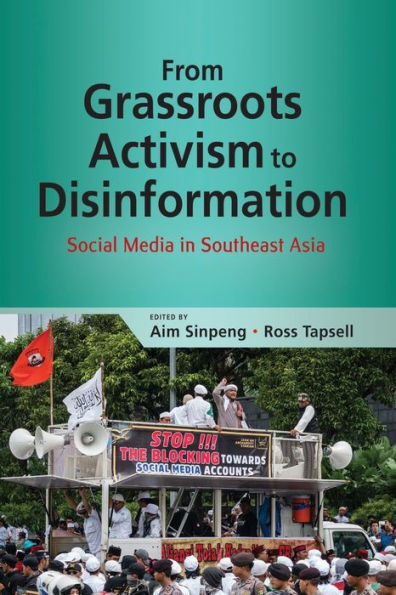












More About Barnes and Noble at Hamilton Place
Barnes & Noble is the world’s largest retail bookseller and a leading retailer of content, digital media and educational products. Our Nook Digital business offers a lineup of NOOK® tablets and e-Readers and an expansive collection of digital reading content through the NOOK Store®. Barnes & Noble’s mission is to operate the best omni-channel specialty retail business in America, helping both our customers and booksellers reach their aspirations, while being a credit to the communities we serve.
2100 Hamilton Pl Blvd, Chattanooga, TN 37421, United States
Find Barnes and Noble at Hamilton Place in Chattanooga, TN
Visit Barnes and Noble at Hamilton Place in Chattanooga, TN
