
Home
Content-Based Teaching of Russian as a Foreign Language
Barnes and Noble
Loading Inventory...
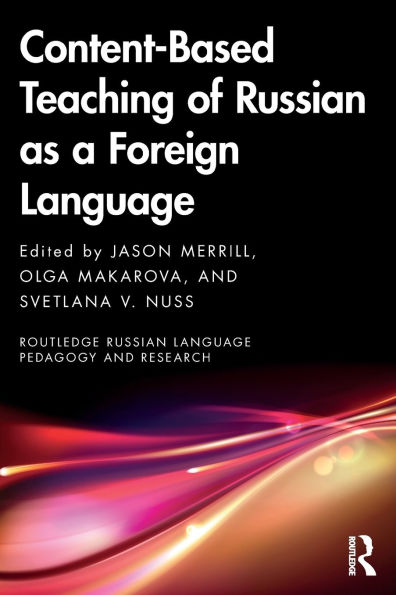
Content-Based Teaching of Russian as a Foreign Language in Chattanooga, TN
Current price: $190.00
Barnes and Noble
Content-Based Teaching of Russian as a Foreign Language in Chattanooga, TN
Current price: $190.00
Loading Inventory...
Size: Hardcover
Content-Based Teaching of Russian as a Foreign Language
explores how content-based instruction can be applied in the teaching of Russian as an additional or heritage language. Bringing together the perspectives and experiences of scholar-practitioners, this edited collection presents diverse contemporary approaches to the content-based instruction of Russian.
Through case studies that detail content-based courses and their evolution over recent years, the volume offers valuable insights into pedagogical innovation for developing and modernizing curricula. While grounded in research, the case studies emphasize practical application, providing models that can be adapted or replicated. Each chapter offers "lessons learned" to help educators tailor these courses to various settings. The chapters span all proficiency levels, from beginner to advanced, and they engage with a wide range of content.
The book will appeal to instructors of Russian in the fields of Russian studies and Slavonic studies, as well as anyone interested in Russian language pedagogy, foreign language acquisition, or curriculum development.
explores how content-based instruction can be applied in the teaching of Russian as an additional or heritage language. Bringing together the perspectives and experiences of scholar-practitioners, this edited collection presents diverse contemporary approaches to the content-based instruction of Russian.
Through case studies that detail content-based courses and their evolution over recent years, the volume offers valuable insights into pedagogical innovation for developing and modernizing curricula. While grounded in research, the case studies emphasize practical application, providing models that can be adapted or replicated. Each chapter offers "lessons learned" to help educators tailor these courses to various settings. The chapters span all proficiency levels, from beginner to advanced, and they engage with a wide range of content.
The book will appeal to instructors of Russian in the fields of Russian studies and Slavonic studies, as well as anyone interested in Russian language pedagogy, foreign language acquisition, or curriculum development.
Content-Based Teaching of Russian as a Foreign Language
explores how content-based instruction can be applied in the teaching of Russian as an additional or heritage language. Bringing together the perspectives and experiences of scholar-practitioners, this edited collection presents diverse contemporary approaches to the content-based instruction of Russian.
Through case studies that detail content-based courses and their evolution over recent years, the volume offers valuable insights into pedagogical innovation for developing and modernizing curricula. While grounded in research, the case studies emphasize practical application, providing models that can be adapted or replicated. Each chapter offers "lessons learned" to help educators tailor these courses to various settings. The chapters span all proficiency levels, from beginner to advanced, and they engage with a wide range of content.
The book will appeal to instructors of Russian in the fields of Russian studies and Slavonic studies, as well as anyone interested in Russian language pedagogy, foreign language acquisition, or curriculum development.
explores how content-based instruction can be applied in the teaching of Russian as an additional or heritage language. Bringing together the perspectives and experiences of scholar-practitioners, this edited collection presents diverse contemporary approaches to the content-based instruction of Russian.
Through case studies that detail content-based courses and their evolution over recent years, the volume offers valuable insights into pedagogical innovation for developing and modernizing curricula. While grounded in research, the case studies emphasize practical application, providing models that can be adapted or replicated. Each chapter offers "lessons learned" to help educators tailor these courses to various settings. The chapters span all proficiency levels, from beginner to advanced, and they engage with a wide range of content.
The book will appeal to instructors of Russian in the fields of Russian studies and Slavonic studies, as well as anyone interested in Russian language pedagogy, foreign language acquisition, or curriculum development.
You May Also Like









More About Barnes and Noble at Hamilton Place
Barnes & Noble is the world’s largest retail bookseller and a leading retailer of content, digital media and educational products. Our Nook Digital business offers a lineup of NOOK® tablets and e-Readers and an expansive collection of digital reading content through the NOOK Store®. Barnes & Noble’s mission is to operate the best omni-channel specialty retail business in America, helping both our customers and booksellers reach their aspirations, while being a credit to the communities we serve.
2100 Hamilton Pl Blvd, Chattanooga, TN 37421, United States
Find Barnes and Noble at Hamilton Place in Chattanooga, TN
Visit Barnes and Noble at Hamilton Place in Chattanooga, TN
