
Home
Conceptualizing Extreme Beliefs and Behaviors: Definitions Relations
Barnes and Noble
Loading Inventory...
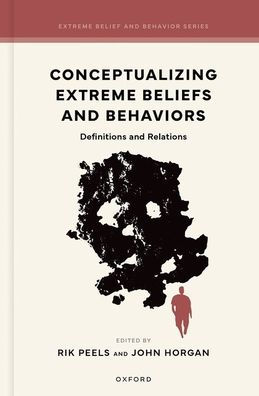
Conceptualizing Extreme Beliefs and Behaviors: Definitions Relations in Chattanooga, TN
Current price: $132.00
Barnes and Noble
Conceptualizing Extreme Beliefs and Behaviors: Definitions Relations in Chattanooga, TN
Current price: $132.00
Loading Inventory...
Size: Hardcover
Concepts like
extremism
and
radicalization
are highly contested. Their definitions matter, because they influence how we study extremism and radicalization and, in the long run, how these are perceived in the public debate. Rather than adding more definitions, this book explores the underlying challenging conceptual issues in defining, interpreting, and operationalizing notions such as
,
fanaticism
, and
terrorism
. It explores four crucial questions. First, how should each of these extreme phenomena be defined, and what are the desiderata in seeking definitions of each of them? Second, how should the project of defining and conceptualizing these phenomena be undertaken: in terms of necessary and sufficient conditions, or family resemblances, or common understandings in the public debate, or something else? Third, what is the role of normativity in defining these extreme phenomena, that is, the proper place of normative or even pejorative concepts and the normative framework of the researcher? Fourth and finally, how do the phenomena of extremism, fanaticism, fundamentalism, terrorism, and conspiracism relate to one another and to things such as apocalypticism, nationalism, cults, charisma, and state terror? Written by global, multidisciplinary experts, this text lays the conceptual groundwork that the other volumes in the Extreme Belief and Behavior Series will build on.
extremism
and
radicalization
are highly contested. Their definitions matter, because they influence how we study extremism and radicalization and, in the long run, how these are perceived in the public debate. Rather than adding more definitions, this book explores the underlying challenging conceptual issues in defining, interpreting, and operationalizing notions such as
,
fanaticism
, and
terrorism
. It explores four crucial questions. First, how should each of these extreme phenomena be defined, and what are the desiderata in seeking definitions of each of them? Second, how should the project of defining and conceptualizing these phenomena be undertaken: in terms of necessary and sufficient conditions, or family resemblances, or common understandings in the public debate, or something else? Third, what is the role of normativity in defining these extreme phenomena, that is, the proper place of normative or even pejorative concepts and the normative framework of the researcher? Fourth and finally, how do the phenomena of extremism, fanaticism, fundamentalism, terrorism, and conspiracism relate to one another and to things such as apocalypticism, nationalism, cults, charisma, and state terror? Written by global, multidisciplinary experts, this text lays the conceptual groundwork that the other volumes in the Extreme Belief and Behavior Series will build on.
Concepts like
extremism
and
radicalization
are highly contested. Their definitions matter, because they influence how we study extremism and radicalization and, in the long run, how these are perceived in the public debate. Rather than adding more definitions, this book explores the underlying challenging conceptual issues in defining, interpreting, and operationalizing notions such as
,
fanaticism
, and
terrorism
. It explores four crucial questions. First, how should each of these extreme phenomena be defined, and what are the desiderata in seeking definitions of each of them? Second, how should the project of defining and conceptualizing these phenomena be undertaken: in terms of necessary and sufficient conditions, or family resemblances, or common understandings in the public debate, or something else? Third, what is the role of normativity in defining these extreme phenomena, that is, the proper place of normative or even pejorative concepts and the normative framework of the researcher? Fourth and finally, how do the phenomena of extremism, fanaticism, fundamentalism, terrorism, and conspiracism relate to one another and to things such as apocalypticism, nationalism, cults, charisma, and state terror? Written by global, multidisciplinary experts, this text lays the conceptual groundwork that the other volumes in the Extreme Belief and Behavior Series will build on.
extremism
and
radicalization
are highly contested. Their definitions matter, because they influence how we study extremism and radicalization and, in the long run, how these are perceived in the public debate. Rather than adding more definitions, this book explores the underlying challenging conceptual issues in defining, interpreting, and operationalizing notions such as
,
fanaticism
, and
terrorism
. It explores four crucial questions. First, how should each of these extreme phenomena be defined, and what are the desiderata in seeking definitions of each of them? Second, how should the project of defining and conceptualizing these phenomena be undertaken: in terms of necessary and sufficient conditions, or family resemblances, or common understandings in the public debate, or something else? Third, what is the role of normativity in defining these extreme phenomena, that is, the proper place of normative or even pejorative concepts and the normative framework of the researcher? Fourth and finally, how do the phenomena of extremism, fanaticism, fundamentalism, terrorism, and conspiracism relate to one another and to things such as apocalypticism, nationalism, cults, charisma, and state terror? Written by global, multidisciplinary experts, this text lays the conceptual groundwork that the other volumes in the Extreme Belief and Behavior Series will build on.
You May Also Like












More About Barnes and Noble at Hamilton Place
Barnes & Noble is the world’s largest retail bookseller and a leading retailer of content, digital media and educational products. Our Nook Digital business offers a lineup of NOOK® tablets and e-Readers and an expansive collection of digital reading content through the NOOK Store®. Barnes & Noble’s mission is to operate the best omni-channel specialty retail business in America, helping both our customers and booksellers reach their aspirations, while being a credit to the communities we serve.
2100 Hamilton Pl Blvd, Chattanooga, TN 37421, United States
Find Barnes and Noble at Hamilton Place in Chattanooga, TN
Visit Barnes and Noble at Hamilton Place in Chattanooga, TN
