
Home
Community and Identity at the Edges of Classical World
Barnes and Noble
Loading Inventory...
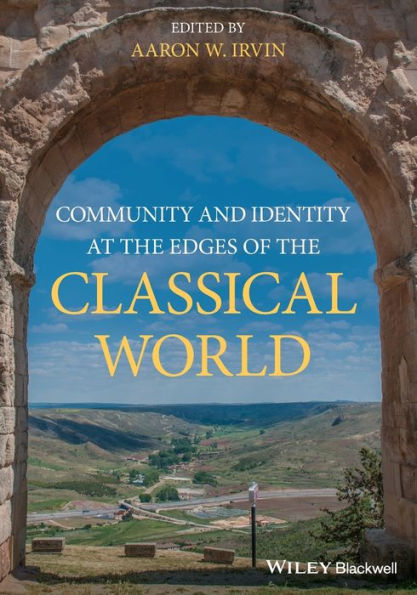
Community and Identity at the Edges of Classical World in Chattanooga, TN
Current price: $53.95
Barnes and Noble
Community and Identity at the Edges of Classical World in Chattanooga, TN
Current price: $53.95
Loading Inventory...
Size: Paperback
A
timely and academically-significant contribution
to scholarship on community, identity, and globalization in the Roman and Hellenistic
worlds
Community and Identity at the Edges of the Classical World
examines the construction of personal and communal identities in the ancient world, exploring how globalism, multi-culturalism, and other macro events influenced micro identities throughout the Hellenistic and Roman empires. This innovative volume discusses where contact and the sharing of ideas was occurring in the time period, and applies modern theories based on networks and communication to historical and archaeological data. A new generation of international scholars challenge traditional views of Classical history and offer original perspectives on the impact globalizing trends had on localized areas—insights that resonate with similar issues today.
This singular resource presents a broad, multi-national view rarely found in western collected volumes, including Serbian, Macedonian, and Russian scholarship on the Roman Empire, as well as on Roman and Hellenistic archaeological sites in Eastern Europe. Topics include Egyptian identity in the Hellenistic world, cultural identity in Roman Greece, Romanization in Slovenia, Balkan Latin, the provincial organization of cults in Roman Britain, and Soviet studies of Roman Empire and imperialism. Serving as a synthesis of contemporary scholarship on the wider topic of identity and community, this volume:
Provides an expansive materialist approach to the topic of globalization in the Roman world
Examines ethnicity in the Roman empire from the viewpoint of minority populations
Offers several views of metascholarship, a growing sub-discipline that compares ancient material to modern scholarship
Covers a range of themes, time periods, and geographic areas not included in most western publications
is a valuable resource for academics, researchers, and graduate students examining identity and ethnicity in the ancient world, as well as for those working in multiple fields of study, from Classical, Hellenistic, and Roman historians, to the study of ethnicity, identity, and globalizing trends in time.
timely and academically-significant contribution
to scholarship on community, identity, and globalization in the Roman and Hellenistic
worlds
Community and Identity at the Edges of the Classical World
examines the construction of personal and communal identities in the ancient world, exploring how globalism, multi-culturalism, and other macro events influenced micro identities throughout the Hellenistic and Roman empires. This innovative volume discusses where contact and the sharing of ideas was occurring in the time period, and applies modern theories based on networks and communication to historical and archaeological data. A new generation of international scholars challenge traditional views of Classical history and offer original perspectives on the impact globalizing trends had on localized areas—insights that resonate with similar issues today.
This singular resource presents a broad, multi-national view rarely found in western collected volumes, including Serbian, Macedonian, and Russian scholarship on the Roman Empire, as well as on Roman and Hellenistic archaeological sites in Eastern Europe. Topics include Egyptian identity in the Hellenistic world, cultural identity in Roman Greece, Romanization in Slovenia, Balkan Latin, the provincial organization of cults in Roman Britain, and Soviet studies of Roman Empire and imperialism. Serving as a synthesis of contemporary scholarship on the wider topic of identity and community, this volume:
Provides an expansive materialist approach to the topic of globalization in the Roman world
Examines ethnicity in the Roman empire from the viewpoint of minority populations
Offers several views of metascholarship, a growing sub-discipline that compares ancient material to modern scholarship
Covers a range of themes, time periods, and geographic areas not included in most western publications
is a valuable resource for academics, researchers, and graduate students examining identity and ethnicity in the ancient world, as well as for those working in multiple fields of study, from Classical, Hellenistic, and Roman historians, to the study of ethnicity, identity, and globalizing trends in time.
A
timely and academically-significant contribution
to scholarship on community, identity, and globalization in the Roman and Hellenistic
worlds
Community and Identity at the Edges of the Classical World
examines the construction of personal and communal identities in the ancient world, exploring how globalism, multi-culturalism, and other macro events influenced micro identities throughout the Hellenistic and Roman empires. This innovative volume discusses where contact and the sharing of ideas was occurring in the time period, and applies modern theories based on networks and communication to historical and archaeological data. A new generation of international scholars challenge traditional views of Classical history and offer original perspectives on the impact globalizing trends had on localized areas—insights that resonate with similar issues today.
This singular resource presents a broad, multi-national view rarely found in western collected volumes, including Serbian, Macedonian, and Russian scholarship on the Roman Empire, as well as on Roman and Hellenistic archaeological sites in Eastern Europe. Topics include Egyptian identity in the Hellenistic world, cultural identity in Roman Greece, Romanization in Slovenia, Balkan Latin, the provincial organization of cults in Roman Britain, and Soviet studies of Roman Empire and imperialism. Serving as a synthesis of contemporary scholarship on the wider topic of identity and community, this volume:
Provides an expansive materialist approach to the topic of globalization in the Roman world
Examines ethnicity in the Roman empire from the viewpoint of minority populations
Offers several views of metascholarship, a growing sub-discipline that compares ancient material to modern scholarship
Covers a range of themes, time periods, and geographic areas not included in most western publications
is a valuable resource for academics, researchers, and graduate students examining identity and ethnicity in the ancient world, as well as for those working in multiple fields of study, from Classical, Hellenistic, and Roman historians, to the study of ethnicity, identity, and globalizing trends in time.
timely and academically-significant contribution
to scholarship on community, identity, and globalization in the Roman and Hellenistic
worlds
Community and Identity at the Edges of the Classical World
examines the construction of personal and communal identities in the ancient world, exploring how globalism, multi-culturalism, and other macro events influenced micro identities throughout the Hellenistic and Roman empires. This innovative volume discusses where contact and the sharing of ideas was occurring in the time period, and applies modern theories based on networks and communication to historical and archaeological data. A new generation of international scholars challenge traditional views of Classical history and offer original perspectives on the impact globalizing trends had on localized areas—insights that resonate with similar issues today.
This singular resource presents a broad, multi-national view rarely found in western collected volumes, including Serbian, Macedonian, and Russian scholarship on the Roman Empire, as well as on Roman and Hellenistic archaeological sites in Eastern Europe. Topics include Egyptian identity in the Hellenistic world, cultural identity in Roman Greece, Romanization in Slovenia, Balkan Latin, the provincial organization of cults in Roman Britain, and Soviet studies of Roman Empire and imperialism. Serving as a synthesis of contemporary scholarship on the wider topic of identity and community, this volume:
Provides an expansive materialist approach to the topic of globalization in the Roman world
Examines ethnicity in the Roman empire from the viewpoint of minority populations
Offers several views of metascholarship, a growing sub-discipline that compares ancient material to modern scholarship
Covers a range of themes, time periods, and geographic areas not included in most western publications
is a valuable resource for academics, researchers, and graduate students examining identity and ethnicity in the ancient world, as well as for those working in multiple fields of study, from Classical, Hellenistic, and Roman historians, to the study of ethnicity, identity, and globalizing trends in time.
You May Also Like








More About Barnes and Noble at Hamilton Place
Barnes & Noble is the world’s largest retail bookseller and a leading retailer of content, digital media and educational products. Our Nook Digital business offers a lineup of NOOK® tablets and e-Readers and an expansive collection of digital reading content through the NOOK Store®. Barnes & Noble’s mission is to operate the best omni-channel specialty retail business in America, helping both our customers and booksellers reach their aspirations, while being a credit to the communities we serve.
2100 Hamilton Pl Blvd, Chattanooga, TN 37421, United States
Find Barnes and Noble at Hamilton Place in Chattanooga, TN
Visit Barnes and Noble at Hamilton Place in Chattanooga, TN
