
Home
Commerce, Food, and Identity Seventeenth-Century England France: Across the Channel
Barnes and Noble
Loading Inventory...
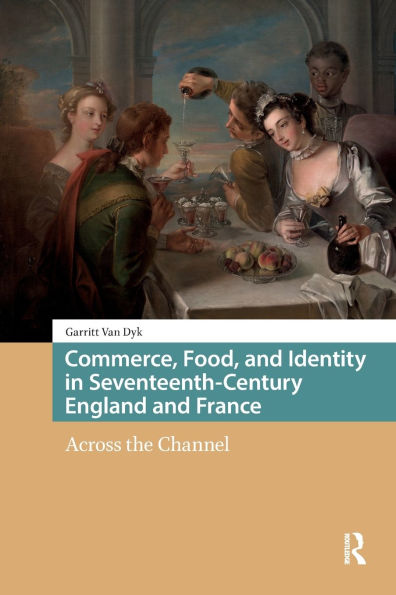
Commerce, Food, and Identity Seventeenth-Century England France: Across the Channel in Chattanooga, TN
Current price: $56.99
Barnes and Noble
Commerce, Food, and Identity Seventeenth-Century England France: Across the Channel in Chattanooga, TN
Current price: $56.99
Loading Inventory...
Size: Paperback
Tell me what you eat, and I'll tell you
who you are
was the challenge issued by French gastronomist Jean Brillat-Savarin. Champagne is declared a unique emblem of French sophistication and luxury, linked to the myth of its invention by Dom Pérignon. Across the Channel, a cup of sweet tea is recognized as a quintessentially English icon, simultaneously conjuring images of empire, civility, and relentless rain that demands the sustenance and comfort that only tea can provide. How did these tastes develop in the seventeenth century?,
Commerce, Food, and Identity in Seventeenth-Century England and France: Across the Channel
offers a compelling historical narrative of the relationship between food, national identity, and political economy in the early modern period. These mutually influential relationships are revealed through comparative and transnational analyses of effervescent wine, spices and cookbooks, the development of coffeehouses and cafés, and the 'national sweet tooth' in England and France.
who you are
was the challenge issued by French gastronomist Jean Brillat-Savarin. Champagne is declared a unique emblem of French sophistication and luxury, linked to the myth of its invention by Dom Pérignon. Across the Channel, a cup of sweet tea is recognized as a quintessentially English icon, simultaneously conjuring images of empire, civility, and relentless rain that demands the sustenance and comfort that only tea can provide. How did these tastes develop in the seventeenth century?,
Commerce, Food, and Identity in Seventeenth-Century England and France: Across the Channel
offers a compelling historical narrative of the relationship between food, national identity, and political economy in the early modern period. These mutually influential relationships are revealed through comparative and transnational analyses of effervescent wine, spices and cookbooks, the development of coffeehouses and cafés, and the 'national sweet tooth' in England and France.
Tell me what you eat, and I'll tell you
who you are
was the challenge issued by French gastronomist Jean Brillat-Savarin. Champagne is declared a unique emblem of French sophistication and luxury, linked to the myth of its invention by Dom Pérignon. Across the Channel, a cup of sweet tea is recognized as a quintessentially English icon, simultaneously conjuring images of empire, civility, and relentless rain that demands the sustenance and comfort that only tea can provide. How did these tastes develop in the seventeenth century?,
Commerce, Food, and Identity in Seventeenth-Century England and France: Across the Channel
offers a compelling historical narrative of the relationship between food, national identity, and political economy in the early modern period. These mutually influential relationships are revealed through comparative and transnational analyses of effervescent wine, spices and cookbooks, the development of coffeehouses and cafés, and the 'national sweet tooth' in England and France.
who you are
was the challenge issued by French gastronomist Jean Brillat-Savarin. Champagne is declared a unique emblem of French sophistication and luxury, linked to the myth of its invention by Dom Pérignon. Across the Channel, a cup of sweet tea is recognized as a quintessentially English icon, simultaneously conjuring images of empire, civility, and relentless rain that demands the sustenance and comfort that only tea can provide. How did these tastes develop in the seventeenth century?,
Commerce, Food, and Identity in Seventeenth-Century England and France: Across the Channel
offers a compelling historical narrative of the relationship between food, national identity, and political economy in the early modern period. These mutually influential relationships are revealed through comparative and transnational analyses of effervescent wine, spices and cookbooks, the development of coffeehouses and cafés, and the 'national sweet tooth' in England and France.
You May Also Like











More About Barnes and Noble at Hamilton Place
Barnes & Noble is the world’s largest retail bookseller and a leading retailer of content, digital media and educational products. Our Nook Digital business offers a lineup of NOOK® tablets and e-Readers and an expansive collection of digital reading content through the NOOK Store®. Barnes & Noble’s mission is to operate the best omni-channel specialty retail business in America, helping both our customers and booksellers reach their aspirations, while being a credit to the communities we serve.
2100 Hamilton Pl Blvd, Chattanooga, TN 37421, United States
Find Barnes and Noble at Hamilton Place in Chattanooga, TN
Visit Barnes and Noble at Hamilton Place in Chattanooga, TN
