
Home
Command and Control LITTLE BEAVERS Style: Arleigh Burke in the Solomon Islands Campaign
Barnes and Noble
Loading Inventory...
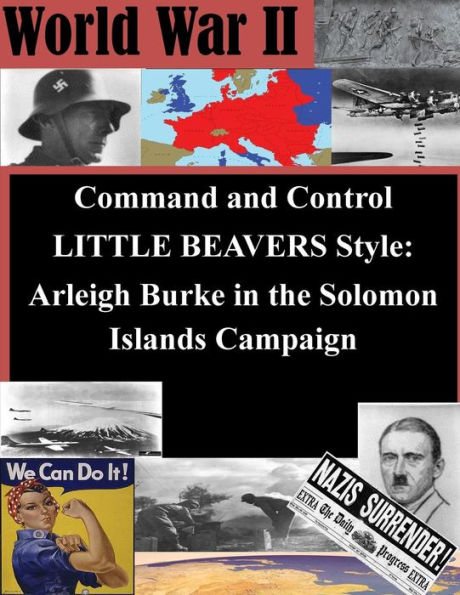
Command and Control LITTLE BEAVERS Style: Arleigh Burke in the Solomon Islands Campaign in Chattanooga, TN
Current price: $12.95
Barnes and Noble
Command and Control LITTLE BEAVERS Style: Arleigh Burke in the Solomon Islands Campaign in Chattanooga, TN
Current price: $12.95
Loading Inventory...
Size: OS
World War II command and control systems were more rudimentary than those we have today. Additionally, operational naval commanders as late as 1943 based their doctrine on pre-war perceptions of war at sea. The result was a series of defeats in the waters around Guadalcanal and in the Slot. As commanders tried to reassess their tactics and operations, attempting to shift the tide of battle in the Solomon Islands, Commodore Arleigh A. Burke assumed his first wartime command. As a commander of destroyer divisions and squadrons, Burke developed and implemented an aggressive fighting doctrine that changed the operational employment of destroyers in battle. Stressing unity of command, surprise, and delegation of authority, Burke's doctrine lead to significant successes in surface engagements in the South Pacific. Arleigh Burke is not only a great historical sea story, but provides an example of successful command and control in combat situations while utilizing minimal technological systems.
World War II command and control systems were more rudimentary than those we have today. Additionally, operational naval commanders as late as 1943 based their doctrine on pre-war perceptions of war at sea. The result was a series of defeats in the waters around Guadalcanal and in the Slot. As commanders tried to reassess their tactics and operations, attempting to shift the tide of battle in the Solomon Islands, Commodore Arleigh A. Burke assumed his first wartime command. As a commander of destroyer divisions and squadrons, Burke developed and implemented an aggressive fighting doctrine that changed the operational employment of destroyers in battle. Stressing unity of command, surprise, and delegation of authority, Burke's doctrine lead to significant successes in surface engagements in the South Pacific. Arleigh Burke is not only a great historical sea story, but provides an example of successful command and control in combat situations while utilizing minimal technological systems.
You May Also Like
















More About Barnes and Noble at Hamilton Place
Barnes & Noble is the world’s largest retail bookseller and a leading retailer of content, digital media and educational products. Our Nook Digital business offers a lineup of NOOK® tablets and e-Readers and an expansive collection of digital reading content through the NOOK Store®. Barnes & Noble’s mission is to operate the best omni-channel specialty retail business in America, helping both our customers and booksellers reach their aspirations, while being a credit to the communities we serve.
2100 Hamilton Pl Blvd, Chattanooga, TN 37421, United States
Find Barnes and Noble at Hamilton Place in Chattanooga, TN
Visit Barnes and Noble at Hamilton Place in Chattanooga, TN
