
Home
Clear My Name-Taiwan, Hong Kong, Ukraine
Barnes and Noble
Loading Inventory...
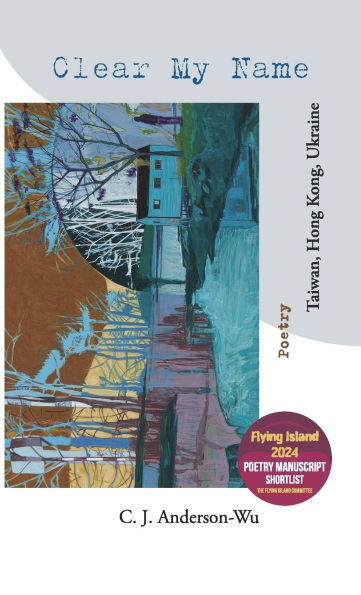
Clear My Name-Taiwan, Hong Kong, Ukraine in Chattanooga, TN
Current price: $12.00
Barnes and Noble
Clear My Name-Taiwan, Hong Kong, Ukraine in Chattanooga, TN
Current price: $12.00
Loading Inventory...
Size: OS
Clear My Name-Taiwan, Hong Kong, Ukraine
is a poetry collection of 57 pieces, some written in prose form, others more experimental in style.
In
, C. J. Anderson-Wu offers a stirring poetic testament to the resilience of identity amid the tremors of history. With a voice both lyrical and unflinching, she traverses the landscapes of three regions-each marked by conflict, memory, and the pursuit of self-definition. Her verses do not merely recount events; they illuminate the shadows cast by silence, giving form to stories often left untold.
This collection moves deftly between the intimate and the communal, revealing how the act of naming-of claiming one's truth-is itself a form of resistance. Anderson-Wu's poetry becomes a vessel for remembrance, a shield against erasure, and a call to recognize the dignity embedded in every struggle for voice and place.
To read these poems is to enter a space where borders blur and belonging deepens, where the personal becomes political, and where the reclamation of one's name becomes a reclamation of one's humanity.
is a poetry collection of 57 pieces, some written in prose form, others more experimental in style.
In
, C. J. Anderson-Wu offers a stirring poetic testament to the resilience of identity amid the tremors of history. With a voice both lyrical and unflinching, she traverses the landscapes of three regions-each marked by conflict, memory, and the pursuit of self-definition. Her verses do not merely recount events; they illuminate the shadows cast by silence, giving form to stories often left untold.
This collection moves deftly between the intimate and the communal, revealing how the act of naming-of claiming one's truth-is itself a form of resistance. Anderson-Wu's poetry becomes a vessel for remembrance, a shield against erasure, and a call to recognize the dignity embedded in every struggle for voice and place.
To read these poems is to enter a space where borders blur and belonging deepens, where the personal becomes political, and where the reclamation of one's name becomes a reclamation of one's humanity.
Clear My Name-Taiwan, Hong Kong, Ukraine
is a poetry collection of 57 pieces, some written in prose form, others more experimental in style.
In
, C. J. Anderson-Wu offers a stirring poetic testament to the resilience of identity amid the tremors of history. With a voice both lyrical and unflinching, she traverses the landscapes of three regions-each marked by conflict, memory, and the pursuit of self-definition. Her verses do not merely recount events; they illuminate the shadows cast by silence, giving form to stories often left untold.
This collection moves deftly between the intimate and the communal, revealing how the act of naming-of claiming one's truth-is itself a form of resistance. Anderson-Wu's poetry becomes a vessel for remembrance, a shield against erasure, and a call to recognize the dignity embedded in every struggle for voice and place.
To read these poems is to enter a space where borders blur and belonging deepens, where the personal becomes political, and where the reclamation of one's name becomes a reclamation of one's humanity.
is a poetry collection of 57 pieces, some written in prose form, others more experimental in style.
In
, C. J. Anderson-Wu offers a stirring poetic testament to the resilience of identity amid the tremors of history. With a voice both lyrical and unflinching, she traverses the landscapes of three regions-each marked by conflict, memory, and the pursuit of self-definition. Her verses do not merely recount events; they illuminate the shadows cast by silence, giving form to stories often left untold.
This collection moves deftly between the intimate and the communal, revealing how the act of naming-of claiming one's truth-is itself a form of resistance. Anderson-Wu's poetry becomes a vessel for remembrance, a shield against erasure, and a call to recognize the dignity embedded in every struggle for voice and place.
To read these poems is to enter a space where borders blur and belonging deepens, where the personal becomes political, and where the reclamation of one's name becomes a reclamation of one's humanity.
You May Also Like








More About Barnes and Noble at Hamilton Place
Barnes & Noble is the world’s largest retail bookseller and a leading retailer of content, digital media and educational products. Our Nook Digital business offers a lineup of NOOK® tablets and e-Readers and an expansive collection of digital reading content through the NOOK Store®. Barnes & Noble’s mission is to operate the best omni-channel specialty retail business in America, helping both our customers and booksellers reach their aspirations, while being a credit to the communities we serve.
2100 Hamilton Pl Blvd, Chattanooga, TN 37421, United States
Find Barnes and Noble at Hamilton Place in Chattanooga, TN
Visit Barnes and Noble at Hamilton Place in Chattanooga, TN
