
Home
Classification of Knowledge in Islam: A Study in Islamic Philosophies of Science
Barnes and Noble
Loading Inventory...
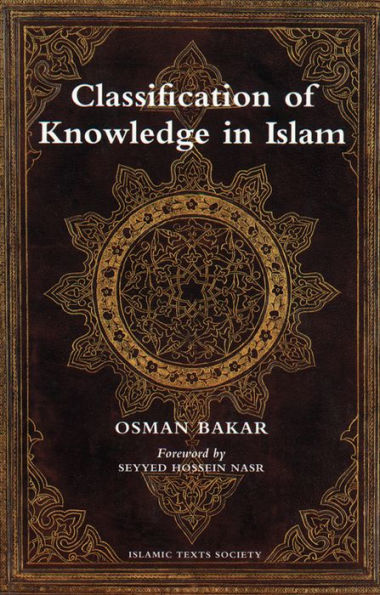
Classification of Knowledge in Islam: A Study in Islamic Philosophies of Science in Chattanooga, TN
Current price: $31.95
Barnes and Noble
Classification of Knowledge in Islam: A Study in Islamic Philosophies of Science in Chattanooga, TN
Current price: $31.95
Loading Inventory...
Size: OS
The classification of knowledge is a recurring theme in Islamic scholarship. Successive generations of Muslim scholars, from al-Kindi in the ninth century to Shah Waliallah of Delhi in the eighteenth century, have devoted considerable efforts to the exposition of this theme.
The lives and the ideas of the three thinkers discussed in
Classification of Knowledge in Islam—
al-Farabi (870-950AD), al-Ghazali (1058-1111AD) and Qutb al-Din al-Shirazi (1236-1311AD)—cover the pivotal period of Islamic history from the first flourishing of the philosophical sciences to the sacking of Baghdad by the Mongols. In addition, each of these three thinkers was either a founder or an eminent representative of a major intellectual school in Islam.
Prof Osman Bakar's
Classification of Knowledge in Islam
is the first work of its kind in the English language and is based on extensive scholarships and reference to the original texts.
The lives and the ideas of the three thinkers discussed in
Classification of Knowledge in Islam—
al-Farabi (870-950AD), al-Ghazali (1058-1111AD) and Qutb al-Din al-Shirazi (1236-1311AD)—cover the pivotal period of Islamic history from the first flourishing of the philosophical sciences to the sacking of Baghdad by the Mongols. In addition, each of these three thinkers was either a founder or an eminent representative of a major intellectual school in Islam.
Prof Osman Bakar's
Classification of Knowledge in Islam
is the first work of its kind in the English language and is based on extensive scholarships and reference to the original texts.
The classification of knowledge is a recurring theme in Islamic scholarship. Successive generations of Muslim scholars, from al-Kindi in the ninth century to Shah Waliallah of Delhi in the eighteenth century, have devoted considerable efforts to the exposition of this theme.
The lives and the ideas of the three thinkers discussed in
Classification of Knowledge in Islam—
al-Farabi (870-950AD), al-Ghazali (1058-1111AD) and Qutb al-Din al-Shirazi (1236-1311AD)—cover the pivotal period of Islamic history from the first flourishing of the philosophical sciences to the sacking of Baghdad by the Mongols. In addition, each of these three thinkers was either a founder or an eminent representative of a major intellectual school in Islam.
Prof Osman Bakar's
Classification of Knowledge in Islam
is the first work of its kind in the English language and is based on extensive scholarships and reference to the original texts.
The lives and the ideas of the three thinkers discussed in
Classification of Knowledge in Islam—
al-Farabi (870-950AD), al-Ghazali (1058-1111AD) and Qutb al-Din al-Shirazi (1236-1311AD)—cover the pivotal period of Islamic history from the first flourishing of the philosophical sciences to the sacking of Baghdad by the Mongols. In addition, each of these three thinkers was either a founder or an eminent representative of a major intellectual school in Islam.
Prof Osman Bakar's
Classification of Knowledge in Islam
is the first work of its kind in the English language and is based on extensive scholarships and reference to the original texts.
You May Also Like












More About Barnes and Noble at Hamilton Place
Barnes & Noble is the world’s largest retail bookseller and a leading retailer of content, digital media and educational products. Our Nook Digital business offers a lineup of NOOK® tablets and e-Readers and an expansive collection of digital reading content through the NOOK Store®. Barnes & Noble’s mission is to operate the best omni-channel specialty retail business in America, helping both our customers and booksellers reach their aspirations, while being a credit to the communities we serve.
2100 Hamilton Pl Blvd, Chattanooga, TN 37421, United States
Find Barnes and Noble at Hamilton Place in Chattanooga, TN
Visit Barnes and Noble at Hamilton Place in Chattanooga, TN
