
Home
Civil-Military Relations in Taiwan: Identity and Transformation
Barnes and Noble
Loading Inventory...
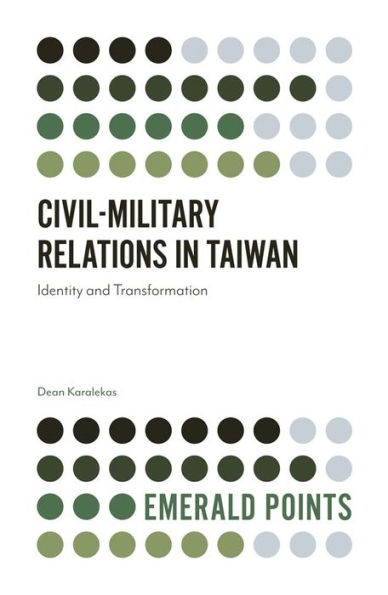
Civil-Military Relations in Taiwan: Identity and Transformation in Chattanooga, TN
Current price: $71.99
Barnes and Noble
Civil-Military Relations in Taiwan: Identity and Transformation in Chattanooga, TN
Current price: $71.99
Loading Inventory...
Size: OS
The armed forces of the Republic of China (ROC) on Taiwan are in dire need of reform to address a plethora of problems including inadequate training, low morale, poor public perception, and low recruitment numbers. This book uses the postmodern military model to measure how public perception of the military is influenced by selfidentification in Taiwan, and it shows that the public has little confidence or trust in their military, even as they remain acutely aware of the threat posed by an increasingly belligerent China and its evergrowing People's Liberation Army.
While there has been much analysis as to what strategies and weapons systems should be adopted by ROC defense planners, relatively little has been written on how to create a more relevant military within Taiwan society. Ultimately, this book addresses these matters and provides policymakers within the ROC government and military, as well as researchers of Asia Pacific security, with an understanding of the current relationship between military and society, to assist in the creation of a more accountable military.
While there has been much analysis as to what strategies and weapons systems should be adopted by ROC defense planners, relatively little has been written on how to create a more relevant military within Taiwan society. Ultimately, this book addresses these matters and provides policymakers within the ROC government and military, as well as researchers of Asia Pacific security, with an understanding of the current relationship between military and society, to assist in the creation of a more accountable military.
The armed forces of the Republic of China (ROC) on Taiwan are in dire need of reform to address a plethora of problems including inadequate training, low morale, poor public perception, and low recruitment numbers. This book uses the postmodern military model to measure how public perception of the military is influenced by selfidentification in Taiwan, and it shows that the public has little confidence or trust in their military, even as they remain acutely aware of the threat posed by an increasingly belligerent China and its evergrowing People's Liberation Army.
While there has been much analysis as to what strategies and weapons systems should be adopted by ROC defense planners, relatively little has been written on how to create a more relevant military within Taiwan society. Ultimately, this book addresses these matters and provides policymakers within the ROC government and military, as well as researchers of Asia Pacific security, with an understanding of the current relationship between military and society, to assist in the creation of a more accountable military.
While there has been much analysis as to what strategies and weapons systems should be adopted by ROC defense planners, relatively little has been written on how to create a more relevant military within Taiwan society. Ultimately, this book addresses these matters and provides policymakers within the ROC government and military, as well as researchers of Asia Pacific security, with an understanding of the current relationship between military and society, to assist in the creation of a more accountable military.
You May Also Like









More About Barnes and Noble at Hamilton Place
Barnes & Noble is the world’s largest retail bookseller and a leading retailer of content, digital media and educational products. Our Nook Digital business offers a lineup of NOOK® tablets and e-Readers and an expansive collection of digital reading content through the NOOK Store®. Barnes & Noble’s mission is to operate the best omni-channel specialty retail business in America, helping both our customers and booksellers reach their aspirations, while being a credit to the communities we serve.
2100 Hamilton Pl Blvd, Chattanooga, TN 37421, United States
Find Barnes and Noble at Hamilton Place in Chattanooga, TN
Visit Barnes and Noble at Hamilton Place in Chattanooga, TN
