
Home
Citizen Aid and Everyday Humanitarianism: Development Futures?
Barnes and Noble
Loading Inventory...
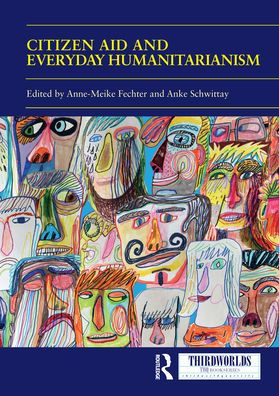
Citizen Aid and Everyday Humanitarianism: Development Futures? in Chattanooga, TN
Current price: $190.00
Barnes and Noble
Citizen Aid and Everyday Humanitarianism: Development Futures? in Chattanooga, TN
Current price: $190.00
Loading Inventory...
Size: Hardcover
Citizen Aid and Everyday Humanitarianism
brings together, under the umbrella terms of citizen aid and grassroots humanitarianism, interdisciplinary research on small-scale, privately-funded forms of aid that operate on the margins of the official development sector.
The last decade has seen a steady rise of such activities in the Global South and North, such as in response to the influx of refugees into Europe. The chapters in this volume cover a variety of locations in Asia, Africa and Europe, presenting empirically grounded cases of citizen aid. They range from educational development projects, to post-disaster emergency relief. Importantly, while some activities are initiated by Northern citizens, others are based on South–South assistance, such as Bangladeshi nationals supporting Rohingya refugees, and peer support in the Philippines in the aftermath of typhoon Hayan. Together, the contributions consider citizen aid vis-à-vis more institutionalised forms of aid, review methodological approaches and their challenges and query the political dimensions of these initiatives. Key themes are historical perspectives on ‘demotic humanitarianism’, questions of legitimacy and professionalisation, founders’ motivations, the role of personal connections, and the importance of digital media for brokerage and fundraising. Being mindful of the power imbalances inherent in citizen aid and everyday humanitarianism, they suggest that both deserve more systematic attention.
will be of great interest to scholars and professionals working in international development, humanitarianism, international aid and anthropology. The chapters were originally published as a special issue of
Third World Quarterly
.
brings together, under the umbrella terms of citizen aid and grassroots humanitarianism, interdisciplinary research on small-scale, privately-funded forms of aid that operate on the margins of the official development sector.
The last decade has seen a steady rise of such activities in the Global South and North, such as in response to the influx of refugees into Europe. The chapters in this volume cover a variety of locations in Asia, Africa and Europe, presenting empirically grounded cases of citizen aid. They range from educational development projects, to post-disaster emergency relief. Importantly, while some activities are initiated by Northern citizens, others are based on South–South assistance, such as Bangladeshi nationals supporting Rohingya refugees, and peer support in the Philippines in the aftermath of typhoon Hayan. Together, the contributions consider citizen aid vis-à-vis more institutionalised forms of aid, review methodological approaches and their challenges and query the political dimensions of these initiatives. Key themes are historical perspectives on ‘demotic humanitarianism’, questions of legitimacy and professionalisation, founders’ motivations, the role of personal connections, and the importance of digital media for brokerage and fundraising. Being mindful of the power imbalances inherent in citizen aid and everyday humanitarianism, they suggest that both deserve more systematic attention.
will be of great interest to scholars and professionals working in international development, humanitarianism, international aid and anthropology. The chapters were originally published as a special issue of
Third World Quarterly
.
Citizen Aid and Everyday Humanitarianism
brings together, under the umbrella terms of citizen aid and grassroots humanitarianism, interdisciplinary research on small-scale, privately-funded forms of aid that operate on the margins of the official development sector.
The last decade has seen a steady rise of such activities in the Global South and North, such as in response to the influx of refugees into Europe. The chapters in this volume cover a variety of locations in Asia, Africa and Europe, presenting empirically grounded cases of citizen aid. They range from educational development projects, to post-disaster emergency relief. Importantly, while some activities are initiated by Northern citizens, others are based on South–South assistance, such as Bangladeshi nationals supporting Rohingya refugees, and peer support in the Philippines in the aftermath of typhoon Hayan. Together, the contributions consider citizen aid vis-à-vis more institutionalised forms of aid, review methodological approaches and their challenges and query the political dimensions of these initiatives. Key themes are historical perspectives on ‘demotic humanitarianism’, questions of legitimacy and professionalisation, founders’ motivations, the role of personal connections, and the importance of digital media for brokerage and fundraising. Being mindful of the power imbalances inherent in citizen aid and everyday humanitarianism, they suggest that both deserve more systematic attention.
will be of great interest to scholars and professionals working in international development, humanitarianism, international aid and anthropology. The chapters were originally published as a special issue of
Third World Quarterly
.
brings together, under the umbrella terms of citizen aid and grassroots humanitarianism, interdisciplinary research on small-scale, privately-funded forms of aid that operate on the margins of the official development sector.
The last decade has seen a steady rise of such activities in the Global South and North, such as in response to the influx of refugees into Europe. The chapters in this volume cover a variety of locations in Asia, Africa and Europe, presenting empirically grounded cases of citizen aid. They range from educational development projects, to post-disaster emergency relief. Importantly, while some activities are initiated by Northern citizens, others are based on South–South assistance, such as Bangladeshi nationals supporting Rohingya refugees, and peer support in the Philippines in the aftermath of typhoon Hayan. Together, the contributions consider citizen aid vis-à-vis more institutionalised forms of aid, review methodological approaches and their challenges and query the political dimensions of these initiatives. Key themes are historical perspectives on ‘demotic humanitarianism’, questions of legitimacy and professionalisation, founders’ motivations, the role of personal connections, and the importance of digital media for brokerage and fundraising. Being mindful of the power imbalances inherent in citizen aid and everyday humanitarianism, they suggest that both deserve more systematic attention.
will be of great interest to scholars and professionals working in international development, humanitarianism, international aid and anthropology. The chapters were originally published as a special issue of
Third World Quarterly
.
You May Also Like












More About Barnes and Noble at Hamilton Place
Barnes & Noble is the world’s largest retail bookseller and a leading retailer of content, digital media and educational products. Our Nook Digital business offers a lineup of NOOK® tablets and e-Readers and an expansive collection of digital reading content through the NOOK Store®. Barnes & Noble’s mission is to operate the best omni-channel specialty retail business in America, helping both our customers and booksellers reach their aspirations, while being a credit to the communities we serve.
2100 Hamilton Pl Blvd, Chattanooga, TN 37421, United States
Find Barnes and Noble at Hamilton Place in Chattanooga, TN
Visit Barnes and Noble at Hamilton Place in Chattanooga, TN
