
Home
Cities: Inclusive, Liveable, and Sustainable
Barnes and Noble
Loading Inventory...
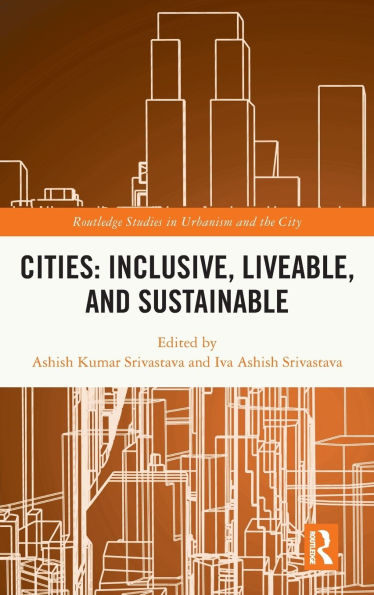
Cities: Inclusive, Liveable, and Sustainable in Chattanooga, TN
Current price: $190.00
Barnes and Noble
Cities: Inclusive, Liveable, and Sustainable in Chattanooga, TN
Current price: $190.00
Loading Inventory...
Size: Hardcover
With cities acting as magnets for population concentration and economic growth, urban planning takes a center stage. Lack of planning can have severe social, cultural, economic and political repercussions in cities.
Cities: Inclusive, Liveable, and Sustainable
scrutinizes the paradigms of Urban Planning that keep at the forefront both the citizen and the environment, as essential assets of the urban community.
Organised into three distinctive parts, the book adopts a holistic perspective of urbanisation, with contributors from diverse backgrounds, ranging from government, academia, and NGOs. While capturing the current trends of urbanisation in general, it deals with inclusivity, livability and sustainability in particular. Due to its embrace of a wide spectrum of urban issues from the point of view of academics, researchers, technocrats, private sector and government officials, this book is truly unique. Across twenty chapters, the book not only encompasses the challenges of urban governance, but also provides insights on different innovations undertaken to address them in the best possible way.
Undoubtedly,
is a vital resource for students and research scholars of urban management and administration, as well as for professionals working in the field.
Cities: Inclusive, Liveable, and Sustainable
scrutinizes the paradigms of Urban Planning that keep at the forefront both the citizen and the environment, as essential assets of the urban community.
Organised into three distinctive parts, the book adopts a holistic perspective of urbanisation, with contributors from diverse backgrounds, ranging from government, academia, and NGOs. While capturing the current trends of urbanisation in general, it deals with inclusivity, livability and sustainability in particular. Due to its embrace of a wide spectrum of urban issues from the point of view of academics, researchers, technocrats, private sector and government officials, this book is truly unique. Across twenty chapters, the book not only encompasses the challenges of urban governance, but also provides insights on different innovations undertaken to address them in the best possible way.
Undoubtedly,
is a vital resource for students and research scholars of urban management and administration, as well as for professionals working in the field.
With cities acting as magnets for population concentration and economic growth, urban planning takes a center stage. Lack of planning can have severe social, cultural, economic and political repercussions in cities.
Cities: Inclusive, Liveable, and Sustainable
scrutinizes the paradigms of Urban Planning that keep at the forefront both the citizen and the environment, as essential assets of the urban community.
Organised into three distinctive parts, the book adopts a holistic perspective of urbanisation, with contributors from diverse backgrounds, ranging from government, academia, and NGOs. While capturing the current trends of urbanisation in general, it deals with inclusivity, livability and sustainability in particular. Due to its embrace of a wide spectrum of urban issues from the point of view of academics, researchers, technocrats, private sector and government officials, this book is truly unique. Across twenty chapters, the book not only encompasses the challenges of urban governance, but also provides insights on different innovations undertaken to address them in the best possible way.
Undoubtedly,
is a vital resource for students and research scholars of urban management and administration, as well as for professionals working in the field.
Cities: Inclusive, Liveable, and Sustainable
scrutinizes the paradigms of Urban Planning that keep at the forefront both the citizen and the environment, as essential assets of the urban community.
Organised into three distinctive parts, the book adopts a holistic perspective of urbanisation, with contributors from diverse backgrounds, ranging from government, academia, and NGOs. While capturing the current trends of urbanisation in general, it deals with inclusivity, livability and sustainability in particular. Due to its embrace of a wide spectrum of urban issues from the point of view of academics, researchers, technocrats, private sector and government officials, this book is truly unique. Across twenty chapters, the book not only encompasses the challenges of urban governance, but also provides insights on different innovations undertaken to address them in the best possible way.
Undoubtedly,
is a vital resource for students and research scholars of urban management and administration, as well as for professionals working in the field.
You May Also Like








More About Barnes and Noble at Hamilton Place
Barnes & Noble is the world’s largest retail bookseller and a leading retailer of content, digital media and educational products. Our Nook Digital business offers a lineup of NOOK® tablets and e-Readers and an expansive collection of digital reading content through the NOOK Store®. Barnes & Noble’s mission is to operate the best omni-channel specialty retail business in America, helping both our customers and booksellers reach their aspirations, while being a credit to the communities we serve.
2100 Hamilton Pl Blvd, Chattanooga, TN 37421, United States
Find Barnes and Noble at Hamilton Place in Chattanooga, TN
Visit Barnes and Noble at Hamilton Place in Chattanooga, TN
