
Home
Cinematic Homelands: The Cultural and Gendered Imaginaries of Iranian Diasporic Women's Filmmaking
Barnes and Noble
Loading Inventory...
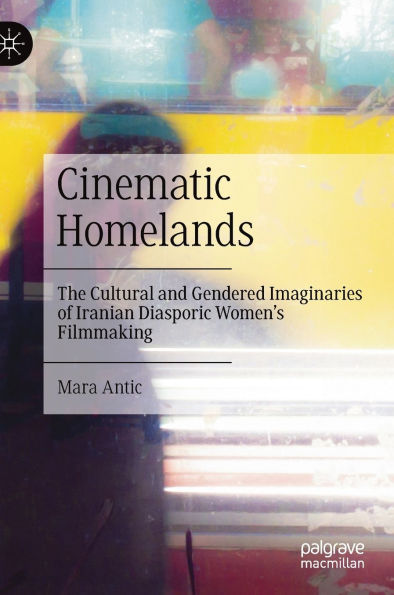
Cinematic Homelands: The Cultural and Gendered Imaginaries of Iranian Diasporic Women's Filmmaking in Chattanooga, TN
Current price: $139.99
Barnes and Noble
Cinematic Homelands: The Cultural and Gendered Imaginaries of Iranian Diasporic Women's Filmmaking in Chattanooga, TN
Current price: $139.99
Loading Inventory...
Size: Hardcover
This book maps an emerging cycle of films made by Iranian diasporic women filmmakers and produced outside of Iran, focusing on five significant examples: Shirin Neshat’s Women Without Men (2009), Sepideh Farsi’s Red Rose (2014), Maryam Keshavarz’s Circumstance (2011), Ana Lily Amirpour’s A Girl Walks Home Alone at Night (2014) and Desiree Akhavan’s Appropriate Behaviour (2014). These films speak to the emergence of feminist concerns surrounding gender relations, female subjectivity and sexuality in diasporic filmmaking. The book intends to show how the body of recent Iranian diasporic women’s films demonstrates a substantial shift within the existing exilic and diasporic paradigm, requiring analysis of intersectional relations not only between ethnicity, culture and nationality, but also gender and sexuality. Attending closely to the vibrant feminist film culture generated by Iranian women in diaspora, this book aims to interrogate the diversity of women’s filmmaking practices and their role in shaping new representations of female subjectivity and the diasporic condition.
This book maps an emerging cycle of films made by Iranian diasporic women filmmakers and produced outside of Iran, focusing on five significant examples: Shirin Neshat’s Women Without Men (2009), Sepideh Farsi’s Red Rose (2014), Maryam Keshavarz’s Circumstance (2011), Ana Lily Amirpour’s A Girl Walks Home Alone at Night (2014) and Desiree Akhavan’s Appropriate Behaviour (2014). These films speak to the emergence of feminist concerns surrounding gender relations, female subjectivity and sexuality in diasporic filmmaking. The book intends to show how the body of recent Iranian diasporic women’s films demonstrates a substantial shift within the existing exilic and diasporic paradigm, requiring analysis of intersectional relations not only between ethnicity, culture and nationality, but also gender and sexuality. Attending closely to the vibrant feminist film culture generated by Iranian women in diaspora, this book aims to interrogate the diversity of women’s filmmaking practices and their role in shaping new representations of female subjectivity and the diasporic condition.
You May Also Like











More About Barnes and Noble at Hamilton Place
Barnes & Noble is the world’s largest retail bookseller and a leading retailer of content, digital media and educational products. Our Nook Digital business offers a lineup of NOOK® tablets and e-Readers and an expansive collection of digital reading content through the NOOK Store®. Barnes & Noble’s mission is to operate the best omni-channel specialty retail business in America, helping both our customers and booksellers reach their aspirations, while being a credit to the communities we serve.
2100 Hamilton Pl Blvd, Chattanooga, TN 37421, United States
Find Barnes and Noble at Hamilton Place in Chattanooga, TN
Visit Barnes and Noble at Hamilton Place in Chattanooga, TN