
Home
Chinese Animated Film and Ideology, 1940s-1970s: Fighting Puppets
Barnes and Noble
Loading Inventory...
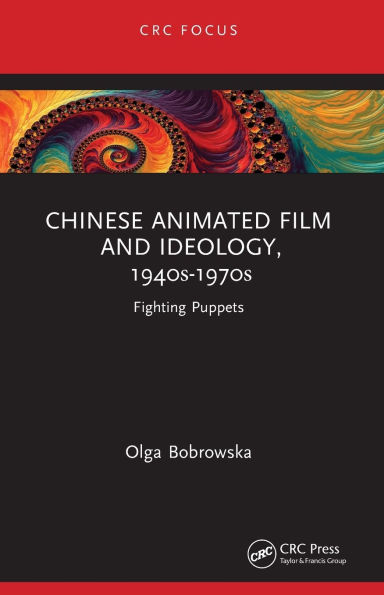
Chinese Animated Film and Ideology, 1940s-1970s: Fighting Puppets in Chattanooga, TN
Current price: $62.99
Barnes and Noble
Chinese Animated Film and Ideology, 1940s-1970s: Fighting Puppets in Chattanooga, TN
Current price: $62.99
Loading Inventory...
Size: Hardcover
This book examines animated propaganda produced in mainland China from the 1940s to the 1970s. The analyses of four puppet films demonstrate how animation and Maoist doctrine became tightly but dynamically entangled.
The book firstly contextualizes the production conditions and ideological contents of
The Emperor’s Dream
(1947), the first puppet film made at the Northeast Film Studio in Changchun. It then examines the artistic, intellectual, and ideological backbone of the puppet film
Wanderings of Sanmao
(1958). The book presents the means and methods applied in puppet animation filmmaking that complied with the ideological principles established by the radical supporters of Mao Zedong in the first half of the 1960s, discussing
Rooster Crows at Midnight
(1964). The final chapter discusses
The Little 8th Route Army
(1973), created by You Lei in the midst of the Cultural Revolution.
This book will be of great interest to those in the fields of animation studies, film studies, political science, Chinese area studies, and Chinese philology.
The book firstly contextualizes the production conditions and ideological contents of
The Emperor’s Dream
(1947), the first puppet film made at the Northeast Film Studio in Changchun. It then examines the artistic, intellectual, and ideological backbone of the puppet film
Wanderings of Sanmao
(1958). The book presents the means and methods applied in puppet animation filmmaking that complied with the ideological principles established by the radical supporters of Mao Zedong in the first half of the 1960s, discussing
Rooster Crows at Midnight
(1964). The final chapter discusses
The Little 8th Route Army
(1973), created by You Lei in the midst of the Cultural Revolution.
This book will be of great interest to those in the fields of animation studies, film studies, political science, Chinese area studies, and Chinese philology.
This book examines animated propaganda produced in mainland China from the 1940s to the 1970s. The analyses of four puppet films demonstrate how animation and Maoist doctrine became tightly but dynamically entangled.
The book firstly contextualizes the production conditions and ideological contents of
The Emperor’s Dream
(1947), the first puppet film made at the Northeast Film Studio in Changchun. It then examines the artistic, intellectual, and ideological backbone of the puppet film
Wanderings of Sanmao
(1958). The book presents the means and methods applied in puppet animation filmmaking that complied with the ideological principles established by the radical supporters of Mao Zedong in the first half of the 1960s, discussing
Rooster Crows at Midnight
(1964). The final chapter discusses
The Little 8th Route Army
(1973), created by You Lei in the midst of the Cultural Revolution.
This book will be of great interest to those in the fields of animation studies, film studies, political science, Chinese area studies, and Chinese philology.
The book firstly contextualizes the production conditions and ideological contents of
The Emperor’s Dream
(1947), the first puppet film made at the Northeast Film Studio in Changchun. It then examines the artistic, intellectual, and ideological backbone of the puppet film
Wanderings of Sanmao
(1958). The book presents the means and methods applied in puppet animation filmmaking that complied with the ideological principles established by the radical supporters of Mao Zedong in the first half of the 1960s, discussing
Rooster Crows at Midnight
(1964). The final chapter discusses
The Little 8th Route Army
(1973), created by You Lei in the midst of the Cultural Revolution.
This book will be of great interest to those in the fields of animation studies, film studies, political science, Chinese area studies, and Chinese philology.
You May Also Like










More About Barnes and Noble at Hamilton Place
Barnes & Noble is the world’s largest retail bookseller and a leading retailer of content, digital media and educational products. Our Nook Digital business offers a lineup of NOOK® tablets and e-Readers and an expansive collection of digital reading content through the NOOK Store®. Barnes & Noble’s mission is to operate the best omni-channel specialty retail business in America, helping both our customers and booksellers reach their aspirations, while being a credit to the communities we serve.
2100 Hamilton Pl Blvd, Chattanooga, TN 37421, United States
Find Barnes and Noble at Hamilton Place in Chattanooga, TN
Visit Barnes and Noble at Hamilton Place in Chattanooga, TN
