
Home
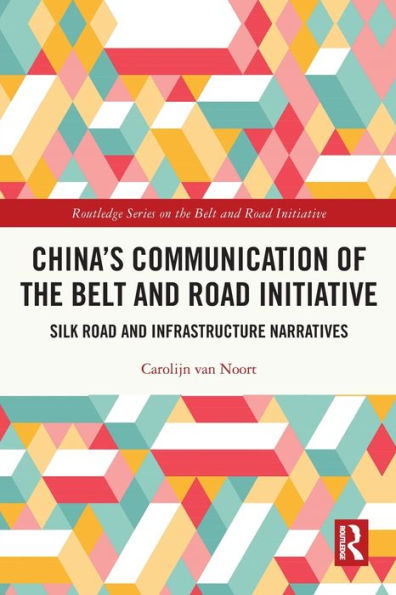
China's Communication of the Belt and Road Initiative: Silk Infrastructure Narratives
Barnes and Noble
Loading Inventory...
China's Communication of the Belt and Road Initiative: Silk Infrastructure Narratives in Chattanooga, TN
Current price: $190.00
Barnes and Noble
China's Communication of the Belt and Road Initiative: Silk Infrastructure Narratives in Chattanooga, TN
Current price: $190.00
Loading Inventory...
Size: Hardcover
This book examines how China’s international political communication of the Belt and Road Initiative comprises narratives about infrastructure and the Silk Road.
By carefully selecting infrastructure modalities and Silk Road representations, it is argued that China’s aesthetic production of the Belt and Road Initiative advances China’s image as an infrastructure and standards-setting power, conjures up a historical continuation of friendly and cooperative relations, and forges China’s identity as good neighbor, good friend, and good partner. Using a multiple-case study approach, this book analyses China’s communication of the Second Belt and Road Forum, the Alternative North-South Road in Kyrgyzstan, the Standard Gauge Railway in Kenya, and the China-Maldives Friendship Bridge. Detailed literary analyses of the
Travels of Marco Polo
and the
Travels of Ibn Battutah
further elucidate China’s selective uses of history. Chapters highlight spatial, temporal, political, economic, technological, and perceptual modalities in infrastructure narratives, and reveal the composition of Silk Road narratives, contributing to key debates about Chinese discourse, media strategy and infrastructure communication.
China’s Communication of the Belt and Road Initiative will appeal to students and scholars of politics, international relations, communication, and Asian studies globally.
By carefully selecting infrastructure modalities and Silk Road representations, it is argued that China’s aesthetic production of the Belt and Road Initiative advances China’s image as an infrastructure and standards-setting power, conjures up a historical continuation of friendly and cooperative relations, and forges China’s identity as good neighbor, good friend, and good partner. Using a multiple-case study approach, this book analyses China’s communication of the Second Belt and Road Forum, the Alternative North-South Road in Kyrgyzstan, the Standard Gauge Railway in Kenya, and the China-Maldives Friendship Bridge. Detailed literary analyses of the
Travels of Marco Polo
and the
Travels of Ibn Battutah
further elucidate China’s selective uses of history. Chapters highlight spatial, temporal, political, economic, technological, and perceptual modalities in infrastructure narratives, and reveal the composition of Silk Road narratives, contributing to key debates about Chinese discourse, media strategy and infrastructure communication.
China’s Communication of the Belt and Road Initiative will appeal to students and scholars of politics, international relations, communication, and Asian studies globally.
This book examines how China’s international political communication of the Belt and Road Initiative comprises narratives about infrastructure and the Silk Road.
By carefully selecting infrastructure modalities and Silk Road representations, it is argued that China’s aesthetic production of the Belt and Road Initiative advances China’s image as an infrastructure and standards-setting power, conjures up a historical continuation of friendly and cooperative relations, and forges China’s identity as good neighbor, good friend, and good partner. Using a multiple-case study approach, this book analyses China’s communication of the Second Belt and Road Forum, the Alternative North-South Road in Kyrgyzstan, the Standard Gauge Railway in Kenya, and the China-Maldives Friendship Bridge. Detailed literary analyses of the
Travels of Marco Polo
and the
Travels of Ibn Battutah
further elucidate China’s selective uses of history. Chapters highlight spatial, temporal, political, economic, technological, and perceptual modalities in infrastructure narratives, and reveal the composition of Silk Road narratives, contributing to key debates about Chinese discourse, media strategy and infrastructure communication.
China’s Communication of the Belt and Road Initiative will appeal to students and scholars of politics, international relations, communication, and Asian studies globally.
By carefully selecting infrastructure modalities and Silk Road representations, it is argued that China’s aesthetic production of the Belt and Road Initiative advances China’s image as an infrastructure and standards-setting power, conjures up a historical continuation of friendly and cooperative relations, and forges China’s identity as good neighbor, good friend, and good partner. Using a multiple-case study approach, this book analyses China’s communication of the Second Belt and Road Forum, the Alternative North-South Road in Kyrgyzstan, the Standard Gauge Railway in Kenya, and the China-Maldives Friendship Bridge. Detailed literary analyses of the
Travels of Marco Polo
and the
Travels of Ibn Battutah
further elucidate China’s selective uses of history. Chapters highlight spatial, temporal, political, economic, technological, and perceptual modalities in infrastructure narratives, and reveal the composition of Silk Road narratives, contributing to key debates about Chinese discourse, media strategy and infrastructure communication.
China’s Communication of the Belt and Road Initiative will appeal to students and scholars of politics, international relations, communication, and Asian studies globally.
You May Also Like












More About Barnes and Noble at Hamilton Place
Barnes & Noble is the world’s largest retail bookseller and a leading retailer of content, digital media and educational products. Our Nook Digital business offers a lineup of NOOK® tablets and e-Readers and an expansive collection of digital reading content through the NOOK Store®. Barnes & Noble’s mission is to operate the best omni-channel specialty retail business in America, helping both our customers and booksellers reach their aspirations, while being a credit to the communities we serve.
2100 Hamilton Pl Blvd, Chattanooga, TN 37421, United States
Find Barnes and Noble at Hamilton Place in Chattanooga, TN
Visit Barnes and Noble at Hamilton Place in Chattanooga, TN
