
Home
Carlos Bunga: The Architecture of Life: Environments, Sculptures, Paintings, Drawings and Films
Barnes and Noble
Loading Inventory...
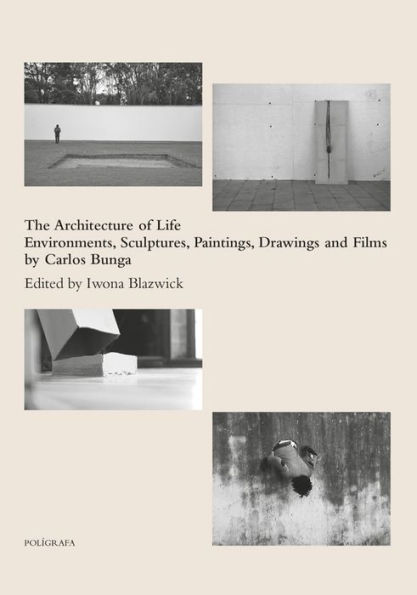
Carlos Bunga: The Architecture of Life: Environments, Sculptures, Paintings, Drawings and Films in Chattanooga, TN
Current price: $45.00
Barnes and Noble
Carlos Bunga: The Architecture of Life: Environments, Sculptures, Paintings, Drawings and Films in Chattanooga, TN
Current price: $45.00
Loading Inventory...
Size: OS
Architecture povera: the humble and immersive structures of Carlos Bunga
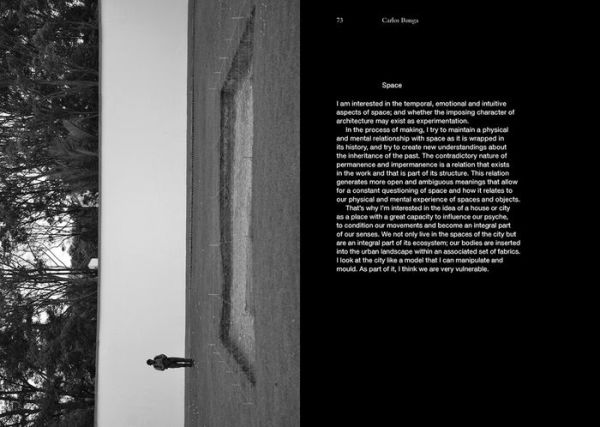
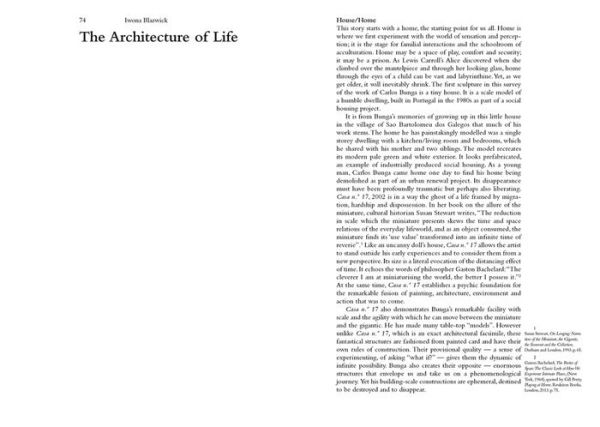
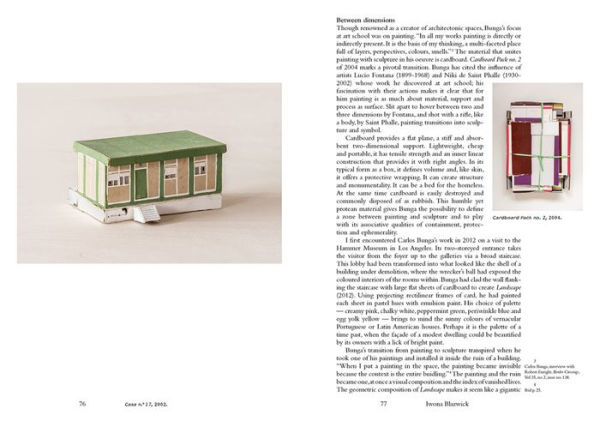
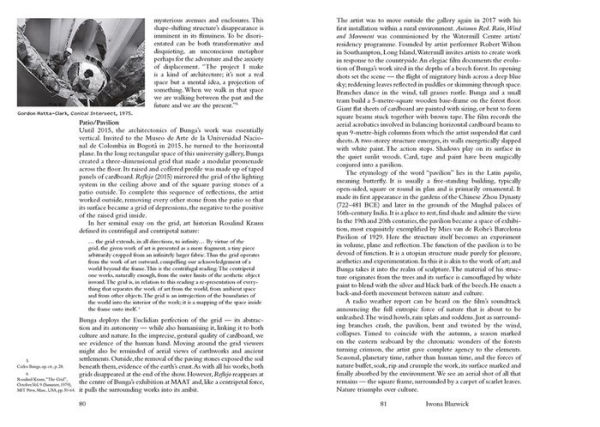
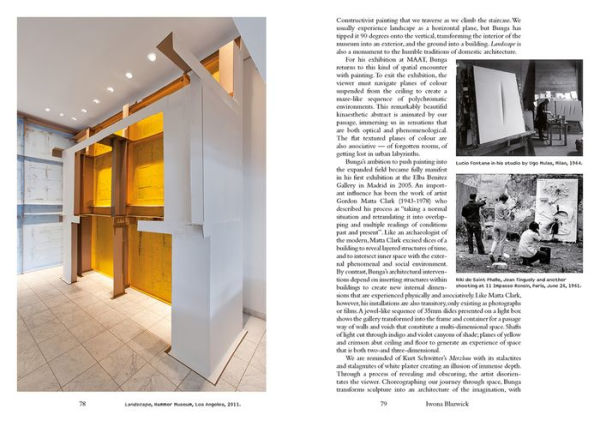
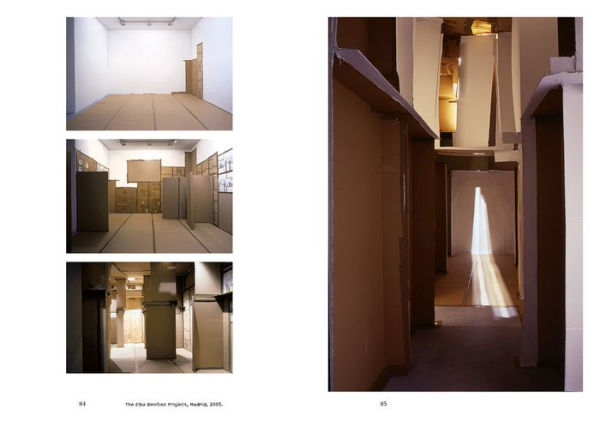
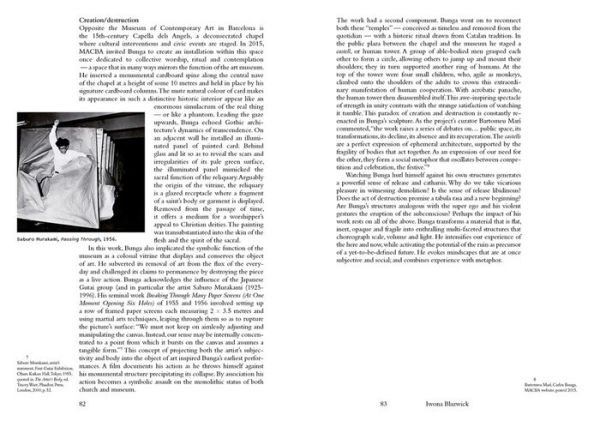
The first monograph on Portugese artist Carlos Bunga (born 1976) presents over a decade of his fantastical sculptural and painterly structures. Bunga uses only cardboard and paint to create immersive installations, furniture-like sculptures and paintings.
The Architecture of Life
surveys the artist’s sculptures, paintings, films, performances and installations from throughout his career, including the major new works created for his exhibition at the Museum of Art, Architecture, And Technology (MAAT) and Fundação Carmona e Costa in Lisbon.
Whether he is using recycled materials or demolishing his own works, Bunga consistently pursues cycles of construction and destruction, and as a result explores the relationship of a space to its history and the inherent contradiction of the simultaneous impermanence and permanence of art.
This volume features some of the artist’s own reflections on his work and writing from various art critics, writers and curators.
The first monograph on Portugese artist Carlos Bunga (born 1976) presents over a decade of his fantastical sculptural and painterly structures. Bunga uses only cardboard and paint to create immersive installations, furniture-like sculptures and paintings.
The Architecture of Life
surveys the artist’s sculptures, paintings, films, performances and installations from throughout his career, including the major new works created for his exhibition at the Museum of Art, Architecture, And Technology (MAAT) and Fundação Carmona e Costa in Lisbon.
Whether he is using recycled materials or demolishing his own works, Bunga consistently pursues cycles of construction and destruction, and as a result explores the relationship of a space to its history and the inherent contradiction of the simultaneous impermanence and permanence of art.
This volume features some of the artist’s own reflections on his work and writing from various art critics, writers and curators.
Architecture povera: the humble and immersive structures of Carlos Bunga
The first monograph on Portugese artist Carlos Bunga (born 1976) presents over a decade of his fantastical sculptural and painterly structures. Bunga uses only cardboard and paint to create immersive installations, furniture-like sculptures and paintings.
The Architecture of Life
surveys the artist’s sculptures, paintings, films, performances and installations from throughout his career, including the major new works created for his exhibition at the Museum of Art, Architecture, And Technology (MAAT) and Fundação Carmona e Costa in Lisbon.
Whether he is using recycled materials or demolishing his own works, Bunga consistently pursues cycles of construction and destruction, and as a result explores the relationship of a space to its history and the inherent contradiction of the simultaneous impermanence and permanence of art.
This volume features some of the artist’s own reflections on his work and writing from various art critics, writers and curators.
The first monograph on Portugese artist Carlos Bunga (born 1976) presents over a decade of his fantastical sculptural and painterly structures. Bunga uses only cardboard and paint to create immersive installations, furniture-like sculptures and paintings.
The Architecture of Life
surveys the artist’s sculptures, paintings, films, performances and installations from throughout his career, including the major new works created for his exhibition at the Museum of Art, Architecture, And Technology (MAAT) and Fundação Carmona e Costa in Lisbon.
Whether he is using recycled materials or demolishing his own works, Bunga consistently pursues cycles of construction and destruction, and as a result explores the relationship of a space to its history and the inherent contradiction of the simultaneous impermanence and permanence of art.
This volume features some of the artist’s own reflections on his work and writing from various art critics, writers and curators.
You May Also Like










More About Barnes and Noble at Hamilton Place
Barnes & Noble is the world’s largest retail bookseller and a leading retailer of content, digital media and educational products. Our Nook Digital business offers a lineup of NOOK® tablets and e-Readers and an expansive collection of digital reading content through the NOOK Store®. Barnes & Noble’s mission is to operate the best omni-channel specialty retail business in America, helping both our customers and booksellers reach their aspirations, while being a credit to the communities we serve.
2100 Hamilton Pl Blvd, Chattanooga, TN 37421, United States
Find Barnes and Noble at Hamilton Place in Chattanooga, TN
Visit Barnes and Noble at Hamilton Place in Chattanooga, TN
