
Home
Can My Daughter See Me from Heaven
Barnes and Noble
Loading Inventory...
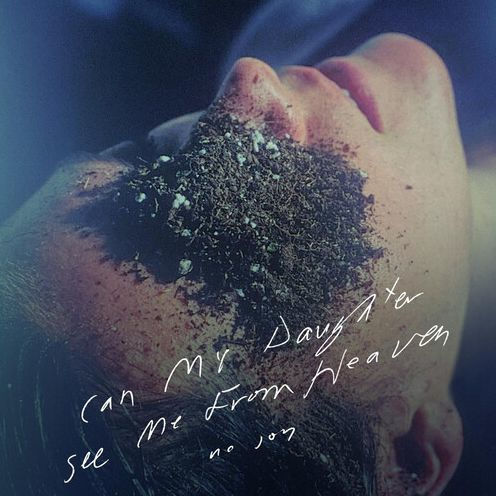
Can My Daughter See Me from Heaven in Chattanooga, TN
Current price: $12.99
Barnes and Noble
Can My Daughter See Me from Heaven in Chattanooga, TN
Current price: $12.99
Loading Inventory...
Size: OS
No Joy
's 2020 album
Motherhood
saw the project's leader
Jasamine White-Gluz
taking bold leaps in what sometimes felt like several directions at once. The album's chaotic mishmash of styles and genres brought to the surface an experimental spirit that had existed mostly as an undertone on
's earlier, more shoegaze-oriented material. Companion EP
Can My Daughter See Me from Heaven
takes
White-Gluz
's artistic wandering even further out, reworking four tracks from
(and a bonus
Deftones
cover) in wildly different arrangements than the already colorful album versions. The EP starts with "Kidder," the track that closed out
as a synthy anthem. Instead of the barrage of fuzzy guitars and pulsing drums of the
version, here the song opens with gentle harp plucks, ethereal vocalizations, and glistening slide guitar. This angelic approach is applied to most of the songs, cheekily tying in the title of the EP by offering up heavenly versions of tunes that writhed in confusion and strife in their earthly forms. This approach works to especially beautiful effect on the
standout "Four." The album version was a laid-back trip-hop jaunt, complete with retrofitted samples and production that evoked early-'90s nostalgia before breaking down into a buzzy metal bridge. There's none of that with the heavenly version, with orchestral percussion, French horn, an operatic choir, and fluttering harp delivering a much toned-down version of the instrumental, and graceful strings replacing the tremolo-picked metal guitars of the original.
's take on the
'
White Pony
track "Teenager" is also molded to fit the subdued atmosphere of
, while "Dream Rats," one of the more volatile
tracks, takes on a slower, more plodding kind of intensity.
choosing to continue the evolution of these songs in the form of dreamy postscripts speaks to her always-changing creative vision and is more evidence of just how boundless
has become. ~ Fred Thomas
's 2020 album
Motherhood
saw the project's leader
Jasamine White-Gluz
taking bold leaps in what sometimes felt like several directions at once. The album's chaotic mishmash of styles and genres brought to the surface an experimental spirit that had existed mostly as an undertone on
's earlier, more shoegaze-oriented material. Companion EP
Can My Daughter See Me from Heaven
takes
White-Gluz
's artistic wandering even further out, reworking four tracks from
(and a bonus
Deftones
cover) in wildly different arrangements than the already colorful album versions. The EP starts with "Kidder," the track that closed out
as a synthy anthem. Instead of the barrage of fuzzy guitars and pulsing drums of the
version, here the song opens with gentle harp plucks, ethereal vocalizations, and glistening slide guitar. This angelic approach is applied to most of the songs, cheekily tying in the title of the EP by offering up heavenly versions of tunes that writhed in confusion and strife in their earthly forms. This approach works to especially beautiful effect on the
standout "Four." The album version was a laid-back trip-hop jaunt, complete with retrofitted samples and production that evoked early-'90s nostalgia before breaking down into a buzzy metal bridge. There's none of that with the heavenly version, with orchestral percussion, French horn, an operatic choir, and fluttering harp delivering a much toned-down version of the instrumental, and graceful strings replacing the tremolo-picked metal guitars of the original.
's take on the
'
White Pony
track "Teenager" is also molded to fit the subdued atmosphere of
, while "Dream Rats," one of the more volatile
tracks, takes on a slower, more plodding kind of intensity.
choosing to continue the evolution of these songs in the form of dreamy postscripts speaks to her always-changing creative vision and is more evidence of just how boundless
has become. ~ Fred Thomas
No Joy
's 2020 album
Motherhood
saw the project's leader
Jasamine White-Gluz
taking bold leaps in what sometimes felt like several directions at once. The album's chaotic mishmash of styles and genres brought to the surface an experimental spirit that had existed mostly as an undertone on
's earlier, more shoegaze-oriented material. Companion EP
Can My Daughter See Me from Heaven
takes
White-Gluz
's artistic wandering even further out, reworking four tracks from
(and a bonus
Deftones
cover) in wildly different arrangements than the already colorful album versions. The EP starts with "Kidder," the track that closed out
as a synthy anthem. Instead of the barrage of fuzzy guitars and pulsing drums of the
version, here the song opens with gentle harp plucks, ethereal vocalizations, and glistening slide guitar. This angelic approach is applied to most of the songs, cheekily tying in the title of the EP by offering up heavenly versions of tunes that writhed in confusion and strife in their earthly forms. This approach works to especially beautiful effect on the
standout "Four." The album version was a laid-back trip-hop jaunt, complete with retrofitted samples and production that evoked early-'90s nostalgia before breaking down into a buzzy metal bridge. There's none of that with the heavenly version, with orchestral percussion, French horn, an operatic choir, and fluttering harp delivering a much toned-down version of the instrumental, and graceful strings replacing the tremolo-picked metal guitars of the original.
's take on the
'
White Pony
track "Teenager" is also molded to fit the subdued atmosphere of
, while "Dream Rats," one of the more volatile
tracks, takes on a slower, more plodding kind of intensity.
choosing to continue the evolution of these songs in the form of dreamy postscripts speaks to her always-changing creative vision and is more evidence of just how boundless
has become. ~ Fred Thomas
's 2020 album
Motherhood
saw the project's leader
Jasamine White-Gluz
taking bold leaps in what sometimes felt like several directions at once. The album's chaotic mishmash of styles and genres brought to the surface an experimental spirit that had existed mostly as an undertone on
's earlier, more shoegaze-oriented material. Companion EP
Can My Daughter See Me from Heaven
takes
White-Gluz
's artistic wandering even further out, reworking four tracks from
(and a bonus
Deftones
cover) in wildly different arrangements than the already colorful album versions. The EP starts with "Kidder," the track that closed out
as a synthy anthem. Instead of the barrage of fuzzy guitars and pulsing drums of the
version, here the song opens with gentle harp plucks, ethereal vocalizations, and glistening slide guitar. This angelic approach is applied to most of the songs, cheekily tying in the title of the EP by offering up heavenly versions of tunes that writhed in confusion and strife in their earthly forms. This approach works to especially beautiful effect on the
standout "Four." The album version was a laid-back trip-hop jaunt, complete with retrofitted samples and production that evoked early-'90s nostalgia before breaking down into a buzzy metal bridge. There's none of that with the heavenly version, with orchestral percussion, French horn, an operatic choir, and fluttering harp delivering a much toned-down version of the instrumental, and graceful strings replacing the tremolo-picked metal guitars of the original.
's take on the
'
White Pony
track "Teenager" is also molded to fit the subdued atmosphere of
, while "Dream Rats," one of the more volatile
tracks, takes on a slower, more plodding kind of intensity.
choosing to continue the evolution of these songs in the form of dreamy postscripts speaks to her always-changing creative vision and is more evidence of just how boundless
has become. ~ Fred Thomas
You May Also Like

Loading Inventory...
Loading Inventory...
Barnes & Noble
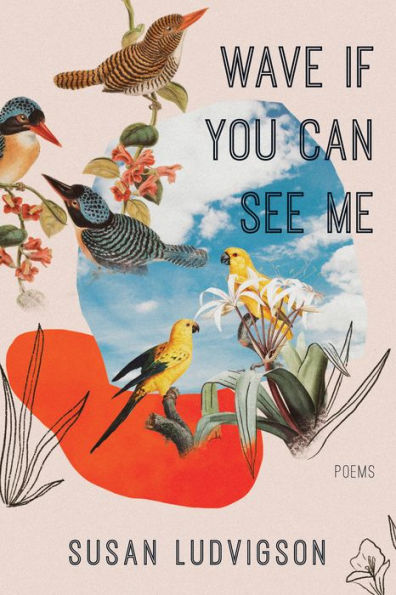
See Me
Current price: $15.00
From Barnes & Noble






Loading Inventory...
Loading Inventory...
Barnes & Noble
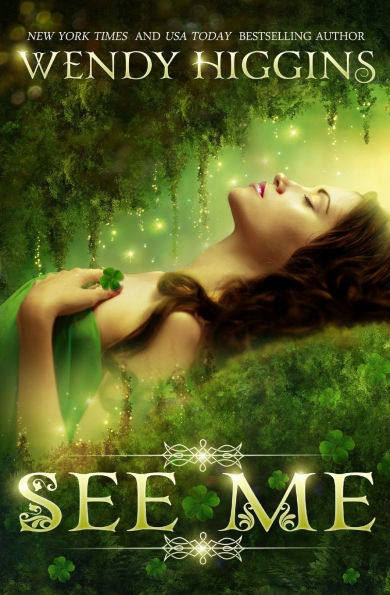
See Me
Current price: $11.50
From Barnes & Noble
Loading Inventory...
Loading Inventory...
Barnes & Noble
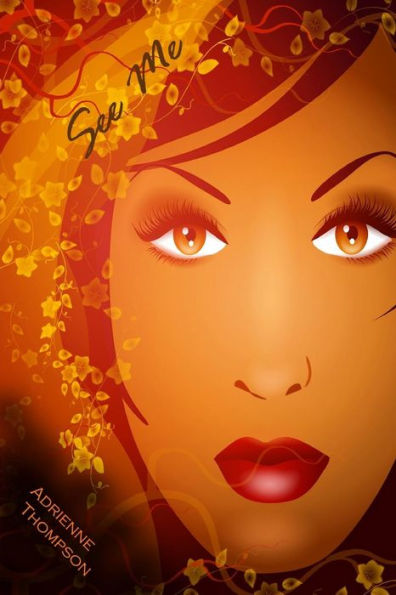
See Me
Current price: $19.99
From Barnes & Noble







More About Barnes and Noble at Hamilton Place
Barnes & Noble is the world’s largest retail bookseller and a leading retailer of content, digital media and educational products. Our Nook Digital business offers a lineup of NOOK® tablets and e-Readers and an expansive collection of digital reading content through the NOOK Store®. Barnes & Noble’s mission is to operate the best omni-channel specialty retail business in America, helping both our customers and booksellers reach their aspirations, while being a credit to the communities we serve.
2100 Hamilton Pl Blvd, Chattanooga, TN 37421, United States
Find Barnes and Noble at Hamilton Place in Chattanooga, TN
Visit Barnes and Noble at Hamilton Place in Chattanooga, TN
