
Home
Brand Hollywood: Selling Entertainment a Global Media Age
Barnes and Noble
Loading Inventory...
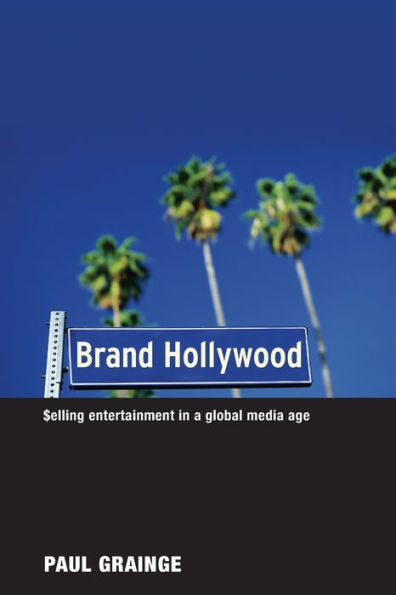
Brand Hollywood: Selling Entertainment a Global Media Age in Chattanooga, TN
Current price: $190.00
Barnes and Noble
Brand Hollywood: Selling Entertainment a Global Media Age in Chattanooga, TN
Current price: $190.00
Loading Inventory...
Size: Hardcover
From the growth in merchandising and product placement to the rise of the movie franchise, branding has become central to the modern blockbuster economy. In a wide-ranging analysis focusing on companies such as Disney, Dolby, Paramount, New Line and, in particular, Warner Bros.,
Brand Hollywood
provides the first sustained examination of the will-to-brand in the contemporary movie business. Outlining changes in the marketing and media environment during the 1990s and 2000s, Paul Grainge explores how the logic of branding has propelled specific kinds of approach to the status and selling of film. Analyzing the practice of branding, the poetics of corporate logos, and the industrial politics surrounding the development of branded texts, properties and spaces - including franchises ranging from
Looney Tunes
to
Lord of the Rings
and
Harry Potter
The Matrix
- Grainge considers the relation of branding to the emergent principle of ‘total entertainment’.
Employing an interdisciplinary method drawn from film studies, cultural studies and advertising and media studies,
demonstrates the complexities of selling entertainment in the global media moment, providing a fresh and engaging perspective on branding’s significance for commercial film and the industrial culture from which it is produced.
Brand Hollywood
provides the first sustained examination of the will-to-brand in the contemporary movie business. Outlining changes in the marketing and media environment during the 1990s and 2000s, Paul Grainge explores how the logic of branding has propelled specific kinds of approach to the status and selling of film. Analyzing the practice of branding, the poetics of corporate logos, and the industrial politics surrounding the development of branded texts, properties and spaces - including franchises ranging from
Looney Tunes
to
Lord of the Rings
and
Harry Potter
The Matrix
- Grainge considers the relation of branding to the emergent principle of ‘total entertainment’.
Employing an interdisciplinary method drawn from film studies, cultural studies and advertising and media studies,
demonstrates the complexities of selling entertainment in the global media moment, providing a fresh and engaging perspective on branding’s significance for commercial film and the industrial culture from which it is produced.
From the growth in merchandising and product placement to the rise of the movie franchise, branding has become central to the modern blockbuster economy. In a wide-ranging analysis focusing on companies such as Disney, Dolby, Paramount, New Line and, in particular, Warner Bros.,
Brand Hollywood
provides the first sustained examination of the will-to-brand in the contemporary movie business. Outlining changes in the marketing and media environment during the 1990s and 2000s, Paul Grainge explores how the logic of branding has propelled specific kinds of approach to the status and selling of film. Analyzing the practice of branding, the poetics of corporate logos, and the industrial politics surrounding the development of branded texts, properties and spaces - including franchises ranging from
Looney Tunes
to
Lord of the Rings
and
Harry Potter
The Matrix
- Grainge considers the relation of branding to the emergent principle of ‘total entertainment’.
Employing an interdisciplinary method drawn from film studies, cultural studies and advertising and media studies,
demonstrates the complexities of selling entertainment in the global media moment, providing a fresh and engaging perspective on branding’s significance for commercial film and the industrial culture from which it is produced.
Brand Hollywood
provides the first sustained examination of the will-to-brand in the contemporary movie business. Outlining changes in the marketing and media environment during the 1990s and 2000s, Paul Grainge explores how the logic of branding has propelled specific kinds of approach to the status and selling of film. Analyzing the practice of branding, the poetics of corporate logos, and the industrial politics surrounding the development of branded texts, properties and spaces - including franchises ranging from
Looney Tunes
to
Lord of the Rings
and
Harry Potter
The Matrix
- Grainge considers the relation of branding to the emergent principle of ‘total entertainment’.
Employing an interdisciplinary method drawn from film studies, cultural studies and advertising and media studies,
demonstrates the complexities of selling entertainment in the global media moment, providing a fresh and engaging perspective on branding’s significance for commercial film and the industrial culture from which it is produced.
You May Also Like









More About Barnes and Noble at Hamilton Place
Barnes & Noble is the world’s largest retail bookseller and a leading retailer of content, digital media and educational products. Our Nook Digital business offers a lineup of NOOK® tablets and e-Readers and an expansive collection of digital reading content through the NOOK Store®. Barnes & Noble’s mission is to operate the best omni-channel specialty retail business in America, helping both our customers and booksellers reach their aspirations, while being a credit to the communities we serve.
2100 Hamilton Pl Blvd, Chattanooga, TN 37421, United States
Find Barnes and Noble at Hamilton Place in Chattanooga, TN
Visit Barnes and Noble at Hamilton Place in Chattanooga, TN
