
Home
Brahms: Serenade No. 1 (Urfassung); Serenade No. 2
Barnes and Noble
Loading Inventory...
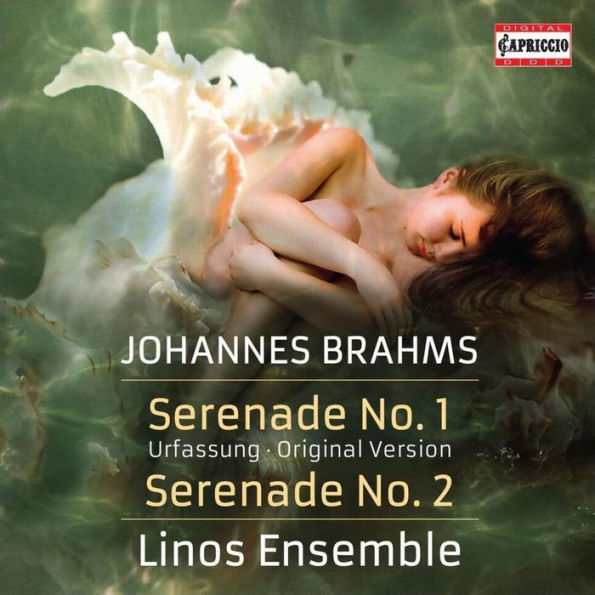
Brahms: Serenade No. 1 (Urfassung); Serenade No. 2 in Chattanooga, TN
Current price: $23.99
Barnes and Noble
Brahms: Serenade No. 1 (Urfassung); Serenade No. 2 in Chattanooga, TN
Current price: $23.99
Loading Inventory...
Size: OS
Brahms
' two serenades are products of his first mature years, and they indeed have a youthful exuberance in their melodic quality. The composer is said to have been studying
Haydn
's symphonies when he wrote them, but the model is rather the wind serenades of
Mozart
(which he also knew). The tension between the basic pastoral outdoor mood of the serenade genre and some spiky rhythmic complexities seems especially marked by
. The
Linos Ensemble
here offers a reconstruction by
Jorge Rotter
of the original version of the
Serenade No. 1 in D major, Op. 11
, which
later orchestrated and even thought about calling a symphony.
Rotter
's version is well worth hearing (and
struggled with this work for so long that there is really nothing wrong with second-guessing him). It is clear, and it brings out the rhythmic interest in the work in a way that the orchestral version does not. The
Serenade No. 2 in A major, Op. 16
, was also written for a larger ensemble, and the
Linos
players reduce it in size as well, deploying just one string player per part. The intention was perhaps similar to what they were aiming for with the slimmed-down
D major serenade
, but it doesn't work as well; the string parts seem to recede into the background. The lively and melodically appealing
Serenade No. 1
here is well worth listeners' time and money, however, and
Capriccio
's sound from the Saarland Radio studios is excellent. ~ James Manheim
' two serenades are products of his first mature years, and they indeed have a youthful exuberance in their melodic quality. The composer is said to have been studying
Haydn
's symphonies when he wrote them, but the model is rather the wind serenades of
Mozart
(which he also knew). The tension between the basic pastoral outdoor mood of the serenade genre and some spiky rhythmic complexities seems especially marked by
. The
Linos Ensemble
here offers a reconstruction by
Jorge Rotter
of the original version of the
Serenade No. 1 in D major, Op. 11
, which
later orchestrated and even thought about calling a symphony.
Rotter
's version is well worth hearing (and
struggled with this work for so long that there is really nothing wrong with second-guessing him). It is clear, and it brings out the rhythmic interest in the work in a way that the orchestral version does not. The
Serenade No. 2 in A major, Op. 16
, was also written for a larger ensemble, and the
Linos
players reduce it in size as well, deploying just one string player per part. The intention was perhaps similar to what they were aiming for with the slimmed-down
D major serenade
, but it doesn't work as well; the string parts seem to recede into the background. The lively and melodically appealing
Serenade No. 1
here is well worth listeners' time and money, however, and
Capriccio
's sound from the Saarland Radio studios is excellent. ~ James Manheim
Brahms
' two serenades are products of his first mature years, and they indeed have a youthful exuberance in their melodic quality. The composer is said to have been studying
Haydn
's symphonies when he wrote them, but the model is rather the wind serenades of
Mozart
(which he also knew). The tension between the basic pastoral outdoor mood of the serenade genre and some spiky rhythmic complexities seems especially marked by
. The
Linos Ensemble
here offers a reconstruction by
Jorge Rotter
of the original version of the
Serenade No. 1 in D major, Op. 11
, which
later orchestrated and even thought about calling a symphony.
Rotter
's version is well worth hearing (and
struggled with this work for so long that there is really nothing wrong with second-guessing him). It is clear, and it brings out the rhythmic interest in the work in a way that the orchestral version does not. The
Serenade No. 2 in A major, Op. 16
, was also written for a larger ensemble, and the
Linos
players reduce it in size as well, deploying just one string player per part. The intention was perhaps similar to what they were aiming for with the slimmed-down
D major serenade
, but it doesn't work as well; the string parts seem to recede into the background. The lively and melodically appealing
Serenade No. 1
here is well worth listeners' time and money, however, and
Capriccio
's sound from the Saarland Radio studios is excellent. ~ James Manheim
' two serenades are products of his first mature years, and they indeed have a youthful exuberance in their melodic quality. The composer is said to have been studying
Haydn
's symphonies when he wrote them, but the model is rather the wind serenades of
Mozart
(which he also knew). The tension between the basic pastoral outdoor mood of the serenade genre and some spiky rhythmic complexities seems especially marked by
. The
Linos Ensemble
here offers a reconstruction by
Jorge Rotter
of the original version of the
Serenade No. 1 in D major, Op. 11
, which
later orchestrated and even thought about calling a symphony.
Rotter
's version is well worth hearing (and
struggled with this work for so long that there is really nothing wrong with second-guessing him). It is clear, and it brings out the rhythmic interest in the work in a way that the orchestral version does not. The
Serenade No. 2 in A major, Op. 16
, was also written for a larger ensemble, and the
Linos
players reduce it in size as well, deploying just one string player per part. The intention was perhaps similar to what they were aiming for with the slimmed-down
D major serenade
, but it doesn't work as well; the string parts seem to recede into the background. The lively and melodically appealing
Serenade No. 1
here is well worth listeners' time and money, however, and
Capriccio
's sound from the Saarland Radio studios is excellent. ~ James Manheim
You May Also Like










More About Barnes and Noble at Hamilton Place
Barnes & Noble is the world’s largest retail bookseller and a leading retailer of content, digital media and educational products. Our Nook Digital business offers a lineup of NOOK® tablets and e-Readers and an expansive collection of digital reading content through the NOOK Store®. Barnes & Noble’s mission is to operate the best omni-channel specialty retail business in America, helping both our customers and booksellers reach their aspirations, while being a credit to the communities we serve.
2100 Hamilton Pl Blvd, Chattanooga, TN 37421, United States
Find Barnes and Noble at Hamilton Place in Chattanooga, TN
Visit Barnes and Noble at Hamilton Place in Chattanooga, TN
