
Home
Blue Velvet
Barnes and Noble
Loading Inventory...
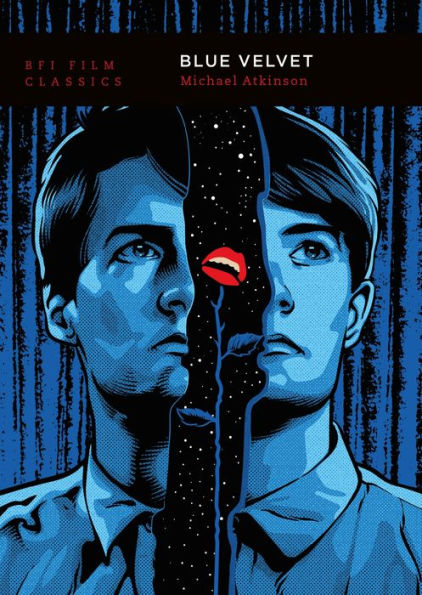
Blue Velvet in Chattanooga, TN
Current price: $17.95
Barnes and Noble
Blue Velvet in Chattanooga, TN
Current price: $17.95
Loading Inventory...
Size: Paperback
For many,
Blue Velvet
is David Lynch's masterpiece. It represents a unique act of cinema: an 80s Hollywood studio film as radical, visionary and cabalistic as anything found in the avantgarde; a mysteriously symbolic and subterranean 'cult' movie that nevertheless has recognisable stars and was broadly distributed; a genre piece with the ambience of a fearsome, hypercomposed nightmare; an American 'art film' by Hollywood's only reputable 'art film' director.
Michael Atkinson's intricate and layered reading of the film shows how crystallises many of Lynch's chief preoccupations: the evil and violence underlying the surface of suburbia, the seedy byways of sexuality, the frightening appearance of the adult world to a child's eyes, presenting it as the definitive expression of the traumatized innocence which characterizes Lynch's work.
In his afterword to this new edition, Atkinson situates
within a culture that has changed drastically in the 35 years since its release, and in doing so, he considers the film's lasting significance as it slowly turns from contemporary phenomenon to an interpretable artifact.
Blue Velvet
is David Lynch's masterpiece. It represents a unique act of cinema: an 80s Hollywood studio film as radical, visionary and cabalistic as anything found in the avantgarde; a mysteriously symbolic and subterranean 'cult' movie that nevertheless has recognisable stars and was broadly distributed; a genre piece with the ambience of a fearsome, hypercomposed nightmare; an American 'art film' by Hollywood's only reputable 'art film' director.
Michael Atkinson's intricate and layered reading of the film shows how crystallises many of Lynch's chief preoccupations: the evil and violence underlying the surface of suburbia, the seedy byways of sexuality, the frightening appearance of the adult world to a child's eyes, presenting it as the definitive expression of the traumatized innocence which characterizes Lynch's work.
In his afterword to this new edition, Atkinson situates
within a culture that has changed drastically in the 35 years since its release, and in doing so, he considers the film's lasting significance as it slowly turns from contemporary phenomenon to an interpretable artifact.
For many,
Blue Velvet
is David Lynch's masterpiece. It represents a unique act of cinema: an 80s Hollywood studio film as radical, visionary and cabalistic as anything found in the avantgarde; a mysteriously symbolic and subterranean 'cult' movie that nevertheless has recognisable stars and was broadly distributed; a genre piece with the ambience of a fearsome, hypercomposed nightmare; an American 'art film' by Hollywood's only reputable 'art film' director.
Michael Atkinson's intricate and layered reading of the film shows how crystallises many of Lynch's chief preoccupations: the evil and violence underlying the surface of suburbia, the seedy byways of sexuality, the frightening appearance of the adult world to a child's eyes, presenting it as the definitive expression of the traumatized innocence which characterizes Lynch's work.
In his afterword to this new edition, Atkinson situates
within a culture that has changed drastically in the 35 years since its release, and in doing so, he considers the film's lasting significance as it slowly turns from contemporary phenomenon to an interpretable artifact.
Blue Velvet
is David Lynch's masterpiece. It represents a unique act of cinema: an 80s Hollywood studio film as radical, visionary and cabalistic as anything found in the avantgarde; a mysteriously symbolic and subterranean 'cult' movie that nevertheless has recognisable stars and was broadly distributed; a genre piece with the ambience of a fearsome, hypercomposed nightmare; an American 'art film' by Hollywood's only reputable 'art film' director.
Michael Atkinson's intricate and layered reading of the film shows how crystallises many of Lynch's chief preoccupations: the evil and violence underlying the surface of suburbia, the seedy byways of sexuality, the frightening appearance of the adult world to a child's eyes, presenting it as the definitive expression of the traumatized innocence which characterizes Lynch's work.
In his afterword to this new edition, Atkinson situates
within a culture that has changed drastically in the 35 years since its release, and in doing so, he considers the film's lasting significance as it slowly turns from contemporary phenomenon to an interpretable artifact.
You May Also Like


















More About Barnes and Noble at Hamilton Place
Barnes & Noble is the world’s largest retail bookseller and a leading retailer of content, digital media and educational products. Our Nook Digital business offers a lineup of NOOK® tablets and e-Readers and an expansive collection of digital reading content through the NOOK Store®. Barnes & Noble’s mission is to operate the best omni-channel specialty retail business in America, helping both our customers and booksellers reach their aspirations, while being a credit to the communities we serve.
2100 Hamilton Pl Blvd, Chattanooga, TN 37421, United States
Find Barnes and Noble at Hamilton Place in Chattanooga, TN
Visit Barnes and Noble at Hamilton Place in Chattanooga, TN