
Home
Black Queer Dance: Gay Men and the Politics of Passing for Almost Straight
Barnes and Noble
Loading Inventory...
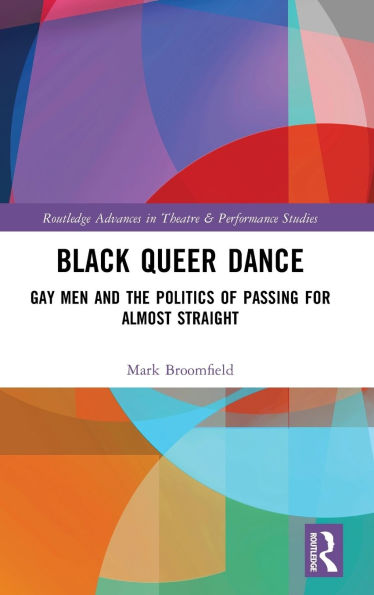
Black Queer Dance: Gay Men and the Politics of Passing for Almost Straight in Chattanooga, TN
Current price: $190.00
Barnes and Noble
Black Queer Dance: Gay Men and the Politics of Passing for Almost Straight in Chattanooga, TN
Current price: $190.00
Loading Inventory...
Size: Hardcover
This book is a groundbreaking exploration of black masculinity and sexual passing in American contemporary dance.
Based on ethnographic fieldwork in New York City, the book features keen observations and in-depth interviews with acclaimed dancer-choreographers Desmond Richardson and Dwight Rhoden Co-Artistic Directors of Complexions Contemporary Ballet and Ronald K. Brown, Artistic Director of Evidence.
Black Queer Dance
examines one of the most visible crucibles for masculinity—the male dancer—and illuminates the contradictory and conditional acceptance of black gay men’s contributions to American modern dance. The book questions the politics of "coming out" and situates a new framework of "doing out" for understanding marginalized black LGBTQ people in the 20th and 21st century. Narratives of black queer male dancers’ performance of identity reveals the challenges posed navigating strategic gender performances in a purportedly post-gay and post-race American culture. Broomfield demonstrates how the experiences of black queer, gender nonconforming, and nonbinary men expose the illusions of all masculine gender performances. Drawing on masculinity studies, dance studies, critical race and performance theory, and queer studies
implicates the author’s embodied history, autoethnography, memoir and poetry that shines light on how black queer men offer an expansive vision of masculinity.
This book will be a vital read for graduate and undergraduate students within dance and performance studies.
Based on ethnographic fieldwork in New York City, the book features keen observations and in-depth interviews with acclaimed dancer-choreographers Desmond Richardson and Dwight Rhoden Co-Artistic Directors of Complexions Contemporary Ballet and Ronald K. Brown, Artistic Director of Evidence.
Black Queer Dance
examines one of the most visible crucibles for masculinity—the male dancer—and illuminates the contradictory and conditional acceptance of black gay men’s contributions to American modern dance. The book questions the politics of "coming out" and situates a new framework of "doing out" for understanding marginalized black LGBTQ people in the 20th and 21st century. Narratives of black queer male dancers’ performance of identity reveals the challenges posed navigating strategic gender performances in a purportedly post-gay and post-race American culture. Broomfield demonstrates how the experiences of black queer, gender nonconforming, and nonbinary men expose the illusions of all masculine gender performances. Drawing on masculinity studies, dance studies, critical race and performance theory, and queer studies
implicates the author’s embodied history, autoethnography, memoir and poetry that shines light on how black queer men offer an expansive vision of masculinity.
This book will be a vital read for graduate and undergraduate students within dance and performance studies.
This book is a groundbreaking exploration of black masculinity and sexual passing in American contemporary dance.
Based on ethnographic fieldwork in New York City, the book features keen observations and in-depth interviews with acclaimed dancer-choreographers Desmond Richardson and Dwight Rhoden Co-Artistic Directors of Complexions Contemporary Ballet and Ronald K. Brown, Artistic Director of Evidence.
Black Queer Dance
examines one of the most visible crucibles for masculinity—the male dancer—and illuminates the contradictory and conditional acceptance of black gay men’s contributions to American modern dance. The book questions the politics of "coming out" and situates a new framework of "doing out" for understanding marginalized black LGBTQ people in the 20th and 21st century. Narratives of black queer male dancers’ performance of identity reveals the challenges posed navigating strategic gender performances in a purportedly post-gay and post-race American culture. Broomfield demonstrates how the experiences of black queer, gender nonconforming, and nonbinary men expose the illusions of all masculine gender performances. Drawing on masculinity studies, dance studies, critical race and performance theory, and queer studies
implicates the author’s embodied history, autoethnography, memoir and poetry that shines light on how black queer men offer an expansive vision of masculinity.
This book will be a vital read for graduate and undergraduate students within dance and performance studies.
Based on ethnographic fieldwork in New York City, the book features keen observations and in-depth interviews with acclaimed dancer-choreographers Desmond Richardson and Dwight Rhoden Co-Artistic Directors of Complexions Contemporary Ballet and Ronald K. Brown, Artistic Director of Evidence.
Black Queer Dance
examines one of the most visible crucibles for masculinity—the male dancer—and illuminates the contradictory and conditional acceptance of black gay men’s contributions to American modern dance. The book questions the politics of "coming out" and situates a new framework of "doing out" for understanding marginalized black LGBTQ people in the 20th and 21st century. Narratives of black queer male dancers’ performance of identity reveals the challenges posed navigating strategic gender performances in a purportedly post-gay and post-race American culture. Broomfield demonstrates how the experiences of black queer, gender nonconforming, and nonbinary men expose the illusions of all masculine gender performances. Drawing on masculinity studies, dance studies, critical race and performance theory, and queer studies
implicates the author’s embodied history, autoethnography, memoir and poetry that shines light on how black queer men offer an expansive vision of masculinity.
This book will be a vital read for graduate and undergraduate students within dance and performance studies.
You May Also Like












More About Barnes and Noble at Hamilton Place
Barnes & Noble is the world’s largest retail bookseller and a leading retailer of content, digital media and educational products. Our Nook Digital business offers a lineup of NOOK® tablets and e-Readers and an expansive collection of digital reading content through the NOOK Store®. Barnes & Noble’s mission is to operate the best omni-channel specialty retail business in America, helping both our customers and booksellers reach their aspirations, while being a credit to the communities we serve.
2100 Hamilton Pl Blvd, Chattanooga, TN 37421, United States
Find Barnes and Noble at Hamilton Place in Chattanooga, TN
Visit Barnes and Noble at Hamilton Place in Chattanooga, TN