
Home
Birds the Second World War: We Also Serve
Barnes and Noble
Loading Inventory...
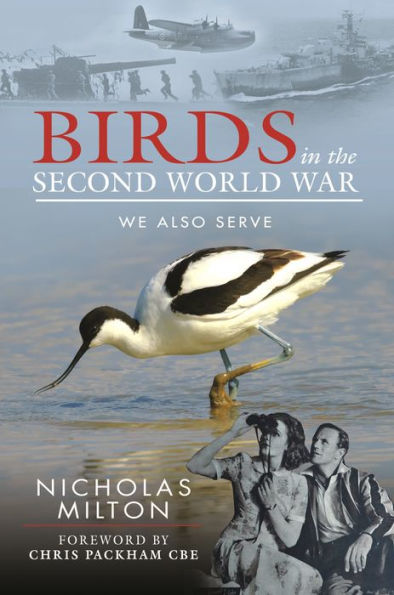
Birds the Second World War: We Also Serve in Chattanooga, TN
Current price: $49.95
Barnes and Noble
Birds the Second World War: We Also Serve in Chattanooga, TN
Current price: $49.95
Loading Inventory...
Size: Hardcover
A love of birds has always been an important part of the British way of life but in wartime birds came into their own, helping to define our national identity. One the most popular bird books ever,
Watching Birds
, was published in 1940 while songs like
There’ll be Bluebirds over the White Cliffs of Dover
epitomized the blitz spirit. Birds even featured in wartime propaganda movies like the 1941 classic
The First of the Few
starring Leslie Howard where they inspired the design of the Spitfire. Along the coast flooding to prevent a German invasion helped the avocet make a remarkable return while the black redstart found an unlikely home in our bombedout buildings.
As interesting as the birds were some of the people who watched them. Matthew Rankin and Eric Duffey counted seabirds while looking for Uboats. Tom Harrisson, the mastermind behind Mass Observation, watched people ‘as if they were birds’ while POW Guy Madoc wrote a truly unique book on Malayan birds, typed on paper stolen from the Japanese commandant’s office. For Field Marshall Alan Brooke, Britain’s top soldier, filming birds was his way of coping with the continual demands of Winston Churchill. In comparison, Peter Scott was a wildfowler who was roused by Adolf Hitler before the war but after serving with distinction in the Royal Navy became one of the greatest naturalists of his generation.
With a foreword by Chris Packham CBE
Birds in the Second World War
is the story of how ornithology helped to win the war.
Watching Birds
, was published in 1940 while songs like
There’ll be Bluebirds over the White Cliffs of Dover
epitomized the blitz spirit. Birds even featured in wartime propaganda movies like the 1941 classic
The First of the Few
starring Leslie Howard where they inspired the design of the Spitfire. Along the coast flooding to prevent a German invasion helped the avocet make a remarkable return while the black redstart found an unlikely home in our bombedout buildings.
As interesting as the birds were some of the people who watched them. Matthew Rankin and Eric Duffey counted seabirds while looking for Uboats. Tom Harrisson, the mastermind behind Mass Observation, watched people ‘as if they were birds’ while POW Guy Madoc wrote a truly unique book on Malayan birds, typed on paper stolen from the Japanese commandant’s office. For Field Marshall Alan Brooke, Britain’s top soldier, filming birds was his way of coping with the continual demands of Winston Churchill. In comparison, Peter Scott was a wildfowler who was roused by Adolf Hitler before the war but after serving with distinction in the Royal Navy became one of the greatest naturalists of his generation.
With a foreword by Chris Packham CBE
Birds in the Second World War
is the story of how ornithology helped to win the war.
A love of birds has always been an important part of the British way of life but in wartime birds came into their own, helping to define our national identity. One the most popular bird books ever,
Watching Birds
, was published in 1940 while songs like
There’ll be Bluebirds over the White Cliffs of Dover
epitomized the blitz spirit. Birds even featured in wartime propaganda movies like the 1941 classic
The First of the Few
starring Leslie Howard where they inspired the design of the Spitfire. Along the coast flooding to prevent a German invasion helped the avocet make a remarkable return while the black redstart found an unlikely home in our bombedout buildings.
As interesting as the birds were some of the people who watched them. Matthew Rankin and Eric Duffey counted seabirds while looking for Uboats. Tom Harrisson, the mastermind behind Mass Observation, watched people ‘as if they were birds’ while POW Guy Madoc wrote a truly unique book on Malayan birds, typed on paper stolen from the Japanese commandant’s office. For Field Marshall Alan Brooke, Britain’s top soldier, filming birds was his way of coping with the continual demands of Winston Churchill. In comparison, Peter Scott was a wildfowler who was roused by Adolf Hitler before the war but after serving with distinction in the Royal Navy became one of the greatest naturalists of his generation.
With a foreword by Chris Packham CBE
Birds in the Second World War
is the story of how ornithology helped to win the war.
Watching Birds
, was published in 1940 while songs like
There’ll be Bluebirds over the White Cliffs of Dover
epitomized the blitz spirit. Birds even featured in wartime propaganda movies like the 1941 classic
The First of the Few
starring Leslie Howard where they inspired the design of the Spitfire. Along the coast flooding to prevent a German invasion helped the avocet make a remarkable return while the black redstart found an unlikely home in our bombedout buildings.
As interesting as the birds were some of the people who watched them. Matthew Rankin and Eric Duffey counted seabirds while looking for Uboats. Tom Harrisson, the mastermind behind Mass Observation, watched people ‘as if they were birds’ while POW Guy Madoc wrote a truly unique book on Malayan birds, typed on paper stolen from the Japanese commandant’s office. For Field Marshall Alan Brooke, Britain’s top soldier, filming birds was his way of coping with the continual demands of Winston Churchill. In comparison, Peter Scott was a wildfowler who was roused by Adolf Hitler before the war but after serving with distinction in the Royal Navy became one of the greatest naturalists of his generation.
With a foreword by Chris Packham CBE
Birds in the Second World War
is the story of how ornithology helped to win the war.
You May Also Like










More About Barnes and Noble at Hamilton Place
Barnes & Noble is the world’s largest retail bookseller and a leading retailer of content, digital media and educational products. Our Nook Digital business offers a lineup of NOOK® tablets and e-Readers and an expansive collection of digital reading content through the NOOK Store®. Barnes & Noble’s mission is to operate the best omni-channel specialty retail business in America, helping both our customers and booksellers reach their aspirations, while being a credit to the communities we serve.
2100 Hamilton Pl Blvd, Chattanooga, TN 37421, United States
Find Barnes and Noble at Hamilton Place in Chattanooga, TN
Visit Barnes and Noble at Hamilton Place in Chattanooga, TN
