
Home
Biological Safety: Principles and Practices
Barnes and Noble
Loading Inventory...
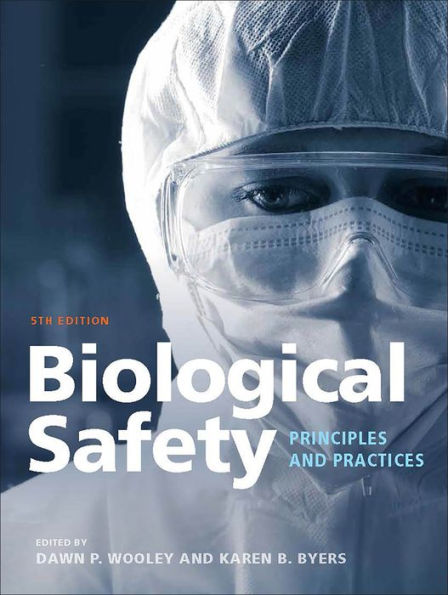
Biological Safety: Principles and Practices in Chattanooga, TN
Current price: $154.95
Barnes and Noble
Biological Safety: Principles and Practices in Chattanooga, TN
Current price: $154.95
Loading Inventory...
Size: Hardcover
Biological safety
and biosecurity protocols are essential to the reputation and responsibility of every scientific institution, whether research, academic, or production. Every risk—no matter how small—must be considered, assessed, and properly mitigated. If the science isn't safe, it isn't good. Now in its fifth edition,
Biological safety: Principles and Practices
remains the most comprehensive biosafety reference.
Led by editors Karen Byers and Dawn Wooley, a team of expert contributors have outlined the technical nuts and bolts of biosafety and biosecurity within these pages. This book presents the guiding principles of laboratory safety, including: the identification, assessment, and control of the broad variety of risks encountered in the lab; the production facility; and, the classroom.
Specifically,
Biological Safety
covers
protection and control elements—from biosafety level cabinets and personal protection systems to strategies and decontamination methods
administrative concerns in biorisk management, including regulations, guidelines, and compliance
various aspects of risk assessment covering bacterial pathogens, viral agents, mycotic agents, protozoa and helminths, gene transfer vectors, zooonotic agents, allergens, toxins, and molecular agents as well as decontamination, aerobiology, occupational medicine, and training
A resource for biosafety professionals, instructors, and those who work with pathogenic agents in any capacity,
is also a critical reference for laboratory managers, and those responsible for managing biohazards in a range of settings, including basic and agricultural research, clinical laboratories, the vivarium, field study, insectories, and greenhouses.
and biosecurity protocols are essential to the reputation and responsibility of every scientific institution, whether research, academic, or production. Every risk—no matter how small—must be considered, assessed, and properly mitigated. If the science isn't safe, it isn't good. Now in its fifth edition,
Biological safety: Principles and Practices
remains the most comprehensive biosafety reference.
Led by editors Karen Byers and Dawn Wooley, a team of expert contributors have outlined the technical nuts and bolts of biosafety and biosecurity within these pages. This book presents the guiding principles of laboratory safety, including: the identification, assessment, and control of the broad variety of risks encountered in the lab; the production facility; and, the classroom.
Specifically,
Biological Safety
covers
protection and control elements—from biosafety level cabinets and personal protection systems to strategies and decontamination methods
administrative concerns in biorisk management, including regulations, guidelines, and compliance
various aspects of risk assessment covering bacterial pathogens, viral agents, mycotic agents, protozoa and helminths, gene transfer vectors, zooonotic agents, allergens, toxins, and molecular agents as well as decontamination, aerobiology, occupational medicine, and training
A resource for biosafety professionals, instructors, and those who work with pathogenic agents in any capacity,
is also a critical reference for laboratory managers, and those responsible for managing biohazards in a range of settings, including basic and agricultural research, clinical laboratories, the vivarium, field study, insectories, and greenhouses.
Biological safety
and biosecurity protocols are essential to the reputation and responsibility of every scientific institution, whether research, academic, or production. Every risk—no matter how small—must be considered, assessed, and properly mitigated. If the science isn't safe, it isn't good. Now in its fifth edition,
Biological safety: Principles and Practices
remains the most comprehensive biosafety reference.
Led by editors Karen Byers and Dawn Wooley, a team of expert contributors have outlined the technical nuts and bolts of biosafety and biosecurity within these pages. This book presents the guiding principles of laboratory safety, including: the identification, assessment, and control of the broad variety of risks encountered in the lab; the production facility; and, the classroom.
Specifically,
Biological Safety
covers
protection and control elements—from biosafety level cabinets and personal protection systems to strategies and decontamination methods
administrative concerns in biorisk management, including regulations, guidelines, and compliance
various aspects of risk assessment covering bacterial pathogens, viral agents, mycotic agents, protozoa and helminths, gene transfer vectors, zooonotic agents, allergens, toxins, and molecular agents as well as decontamination, aerobiology, occupational medicine, and training
A resource for biosafety professionals, instructors, and those who work with pathogenic agents in any capacity,
is also a critical reference for laboratory managers, and those responsible for managing biohazards in a range of settings, including basic and agricultural research, clinical laboratories, the vivarium, field study, insectories, and greenhouses.
and biosecurity protocols are essential to the reputation and responsibility of every scientific institution, whether research, academic, or production. Every risk—no matter how small—must be considered, assessed, and properly mitigated. If the science isn't safe, it isn't good. Now in its fifth edition,
Biological safety: Principles and Practices
remains the most comprehensive biosafety reference.
Led by editors Karen Byers and Dawn Wooley, a team of expert contributors have outlined the technical nuts and bolts of biosafety and biosecurity within these pages. This book presents the guiding principles of laboratory safety, including: the identification, assessment, and control of the broad variety of risks encountered in the lab; the production facility; and, the classroom.
Specifically,
Biological Safety
covers
protection and control elements—from biosafety level cabinets and personal protection systems to strategies and decontamination methods
administrative concerns in biorisk management, including regulations, guidelines, and compliance
various aspects of risk assessment covering bacterial pathogens, viral agents, mycotic agents, protozoa and helminths, gene transfer vectors, zooonotic agents, allergens, toxins, and molecular agents as well as decontamination, aerobiology, occupational medicine, and training
A resource for biosafety professionals, instructors, and those who work with pathogenic agents in any capacity,
is also a critical reference for laboratory managers, and those responsible for managing biohazards in a range of settings, including basic and agricultural research, clinical laboratories, the vivarium, field study, insectories, and greenhouses.
You May Also Like












More About Barnes and Noble at Hamilton Place
Barnes & Noble is the world’s largest retail bookseller and a leading retailer of content, digital media and educational products. Our Nook Digital business offers a lineup of NOOK® tablets and e-Readers and an expansive collection of digital reading content through the NOOK Store®. Barnes & Noble’s mission is to operate the best omni-channel specialty retail business in America, helping both our customers and booksellers reach their aspirations, while being a credit to the communities we serve.
2100 Hamilton Pl Blvd, Chattanooga, TN 37421, United States
Find Barnes and Noble at Hamilton Place in Chattanooga, TN
Visit Barnes and Noble at Hamilton Place in Chattanooga, TN
