
Home
Bill Porter A Drama of O.Henry Prison
Barnes and Noble
Loading Inventory...
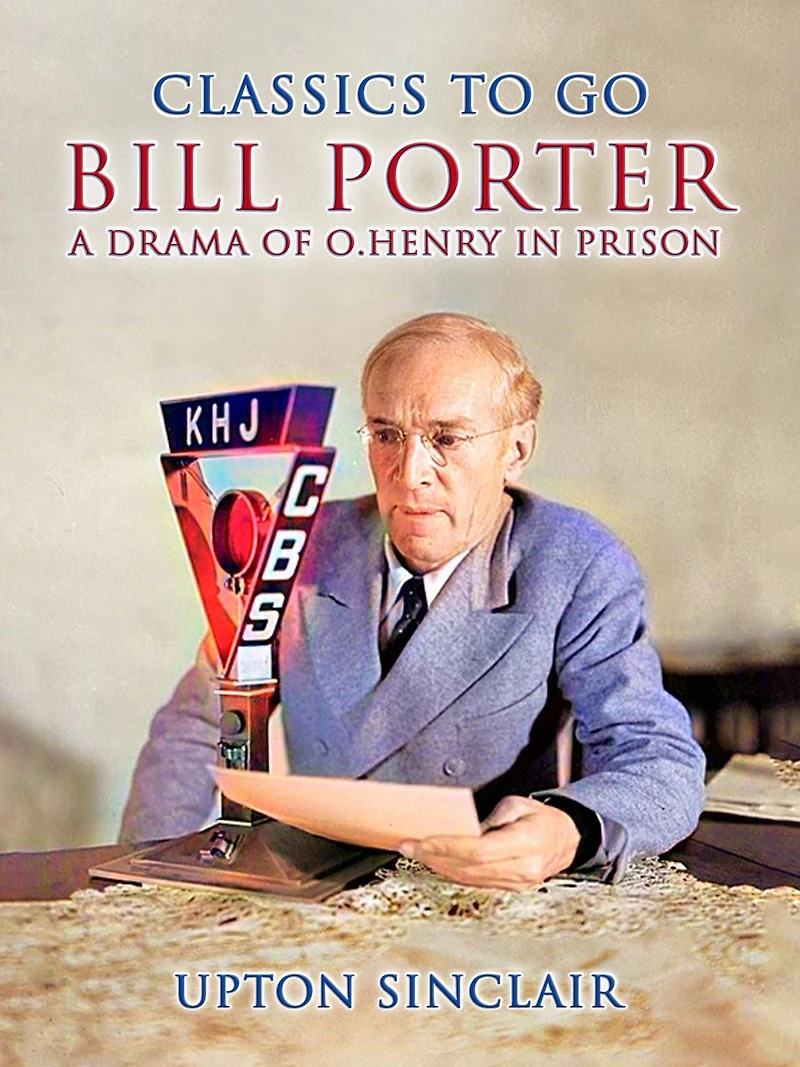
Bill Porter A Drama of O.Henry Prison in Chattanooga, TN
By Barnes & Noble
Current price: $1.99
Barnes and Noble
Bill Porter A Drama of O.Henry Prison in Chattanooga, TN
By Barnes & Noble
Current price: $1.99
Loading Inventory...
Size: EBook
"Bill Porter: A Drama of O. Henry in Prison" by Upton Sinclair offers a poignant and dramatized glimpse into the life of the beloved short story writer O. Henry—whose real name was William Sidney Porter—during the years he spent behind bars. Through this emotionally layered play, Sinclair brings to life the human struggles behind the legend, focusing on Porter's time in prison after being convicted of embezzlement and the emotional toll it took on his creativity, dignity, and relationships. Rather than portraying Porter solely as a fallen figure, Sinclair emphasizes the quiet resilience and ironic wit that would later define O. Henry's literary voice, even as he wrestles with shame, isolation, and the moral ambiguity of his circumstances. The drama explores how incarceration both crushed and sharpened Porter's spirit, subtly reflecting Sinclair's broader critique of the justice system and the dehumanizing impact of punishment over rehabilitation. In an age when the conversation around incarceration, redemption, and the social consequences of criminal labels is more urgent than ever, this work still speaks powerfully to how genius and humanity can persist in even the harshest environments. This piece will most resonate with readers or theater enthusiasts interested in literary biographies, prison narratives, or those who are moved by stories of redemption and creative endurance against institutional odds.
"Bill Porter: A Drama of O. Henry in Prison" by Upton Sinclair offers a poignant and dramatized glimpse into the life of the beloved short story writer O. Henry—whose real name was William Sidney Porter—during the years he spent behind bars. Through this emotionally layered play, Sinclair brings to life the human struggles behind the legend, focusing on Porter's time in prison after being convicted of embezzlement and the emotional toll it took on his creativity, dignity, and relationships. Rather than portraying Porter solely as a fallen figure, Sinclair emphasizes the quiet resilience and ironic wit that would later define O. Henry's literary voice, even as he wrestles with shame, isolation, and the moral ambiguity of his circumstances. The drama explores how incarceration both crushed and sharpened Porter's spirit, subtly reflecting Sinclair's broader critique of the justice system and the dehumanizing impact of punishment over rehabilitation. In an age when the conversation around incarceration, redemption, and the social consequences of criminal labels is more urgent than ever, this work still speaks powerfully to how genius and humanity can persist in even the harshest environments. This piece will most resonate with readers or theater enthusiasts interested in literary biographies, prison narratives, or those who are moved by stories of redemption and creative endurance against institutional odds.
You May Also Like










More About Barnes and Noble at Hamilton Place
Barnes & Noble is the world’s largest retail bookseller and a leading retailer of content, digital media and educational products. Our Nook Digital business offers a lineup of NOOK® tablets and e-Readers and an expansive collection of digital reading content through the NOOK Store®. Barnes & Noble’s mission is to operate the best omni-channel specialty retail business in America, helping both our customers and booksellers reach their aspirations, while being a credit to the communities we serve.
2100 Hamilton Pl Blvd, Chattanooga, TN 37421, United States
Find Barnes and Noble at Hamilton Place in Chattanooga, TN
Visit Barnes and Noble at Hamilton Place in Chattanooga, TN
