
Home
Bibi's Room: Hyderabadi Women and Twentieth-Century Urdu Prose
Barnes and Noble
Loading Inventory...
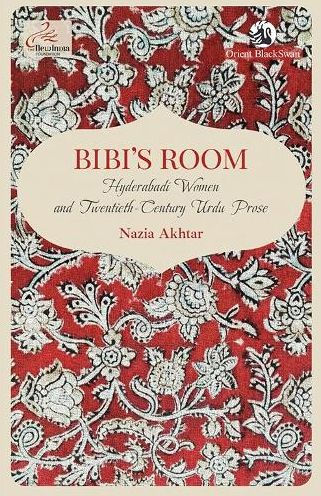
Bibi's Room: Hyderabadi Women and Twentieth-Century Urdu Prose in Chattanooga, TN
Current price: $69.50
Barnes and Noble
Bibi's Room: Hyderabadi Women and Twentieth-Century Urdu Prose in Chattanooga, TN
Current price: $69.50
Loading Inventory...
Size: OS
In addition to the general neglect of women writers, Urdu literary historiography in both English and Urdu has historically privileged north Indian and Pakistani writers while overlooking the many Urdus south of Bombay and Bhopal. Next to no work exists in English on the Urdu writers of Hyderabad, and only a handful of texts have been translated into English—an astonishing neglect, considering their contribution to the study of gender, political cultures, and regional histories. Bibi’s Room studies the lives and work of three women writers from Hyderabad who wrote in Urdu: Zeenath Sajida, Najma Nikhat, and Jeelani Bano. It addresses the absence of scholarship on Hyderabadi women writers in three ways: representative translations; short, nuanced biographies; and critical analyses of their oeuvres—all framed against twentieth-century Hyderabadi history, politics, culture, and society.
In addition to the general neglect of women writers, Urdu literary historiography in both English and Urdu has historically privileged north Indian and Pakistani writers while overlooking the many Urdus south of Bombay and Bhopal. Next to no work exists in English on the Urdu writers of Hyderabad, and only a handful of texts have been translated into English—an astonishing neglect, considering their contribution to the study of gender, political cultures, and regional histories. Bibi’s Room studies the lives and work of three women writers from Hyderabad who wrote in Urdu: Zeenath Sajida, Najma Nikhat, and Jeelani Bano. It addresses the absence of scholarship on Hyderabadi women writers in three ways: representative translations; short, nuanced biographies; and critical analyses of their oeuvres—all framed against twentieth-century Hyderabadi history, politics, culture, and society.
You May Also Like








More About Barnes and Noble at Hamilton Place
Barnes & Noble is the world’s largest retail bookseller and a leading retailer of content, digital media and educational products. Our Nook Digital business offers a lineup of NOOK® tablets and e-Readers and an expansive collection of digital reading content through the NOOK Store®. Barnes & Noble’s mission is to operate the best omni-channel specialty retail business in America, helping both our customers and booksellers reach their aspirations, while being a credit to the communities we serve.
2100 Hamilton Pl Blvd, Chattanooga, TN 37421, United States
Find Barnes and Noble at Hamilton Place in Chattanooga, TN
Visit Barnes and Noble at Hamilton Place in Chattanooga, TN
