
Home
Being Janana: Language and Sexuality in Contemporary India
Barnes and Noble
Loading Inventory...
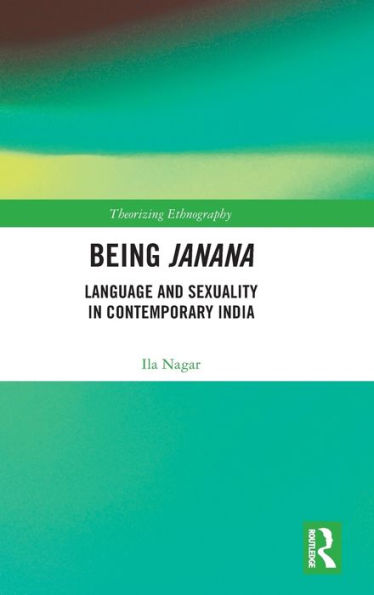
Being Janana: Language and Sexuality in Contemporary India in Chattanooga, TN
Current price: $190.00
Barnes and Noble
Being Janana: Language and Sexuality in Contemporary India in Chattanooga, TN
Current price: $190.00
Loading Inventory...
Size: OS
Being Janana
focuses on same-sex desiring male-bodied subjects in Lucknow, India, and explores how they make meaning in the marginalization of their desire through language performativity.
Along with their desire for other men,
jananas
maintain ostensibly heteronormatively and culturally defined masculine positions. This book argues for an intersectional approach to understanding
janana
life worlds and situates
subjectivity in dialogue with social, cultural, linguistic, and legal happenings. In engaging with the full complexity of
identities and experience, Ila Nagar calls for a reassessment of gender categories and a new understanding of power and sexuality amidst emerging Indian modernities.
Derived from ethnographic research conducted over a period of twelve years, this book also reflects on the interaction between social actors and researchers, and critically examines the use of ethnography as a method in sociolinguistics and linguistic anthropology. It will be of interest to scholars from Anthropology, Asian Studies, Gender & Sexuality Studies, and Linguistics.
focuses on same-sex desiring male-bodied subjects in Lucknow, India, and explores how they make meaning in the marginalization of their desire through language performativity.
Along with their desire for other men,
jananas
maintain ostensibly heteronormatively and culturally defined masculine positions. This book argues for an intersectional approach to understanding
janana
life worlds and situates
subjectivity in dialogue with social, cultural, linguistic, and legal happenings. In engaging with the full complexity of
identities and experience, Ila Nagar calls for a reassessment of gender categories and a new understanding of power and sexuality amidst emerging Indian modernities.
Derived from ethnographic research conducted over a period of twelve years, this book also reflects on the interaction between social actors and researchers, and critically examines the use of ethnography as a method in sociolinguistics and linguistic anthropology. It will be of interest to scholars from Anthropology, Asian Studies, Gender & Sexuality Studies, and Linguistics.
Being Janana
focuses on same-sex desiring male-bodied subjects in Lucknow, India, and explores how they make meaning in the marginalization of their desire through language performativity.
Along with their desire for other men,
jananas
maintain ostensibly heteronormatively and culturally defined masculine positions. This book argues for an intersectional approach to understanding
janana
life worlds and situates
subjectivity in dialogue with social, cultural, linguistic, and legal happenings. In engaging with the full complexity of
identities and experience, Ila Nagar calls for a reassessment of gender categories and a new understanding of power and sexuality amidst emerging Indian modernities.
Derived from ethnographic research conducted over a period of twelve years, this book also reflects on the interaction between social actors and researchers, and critically examines the use of ethnography as a method in sociolinguistics and linguistic anthropology. It will be of interest to scholars from Anthropology, Asian Studies, Gender & Sexuality Studies, and Linguistics.
focuses on same-sex desiring male-bodied subjects in Lucknow, India, and explores how they make meaning in the marginalization of their desire through language performativity.
Along with their desire for other men,
jananas
maintain ostensibly heteronormatively and culturally defined masculine positions. This book argues for an intersectional approach to understanding
janana
life worlds and situates
subjectivity in dialogue with social, cultural, linguistic, and legal happenings. In engaging with the full complexity of
identities and experience, Ila Nagar calls for a reassessment of gender categories and a new understanding of power and sexuality amidst emerging Indian modernities.
Derived from ethnographic research conducted over a period of twelve years, this book also reflects on the interaction between social actors and researchers, and critically examines the use of ethnography as a method in sociolinguistics and linguistic anthropology. It will be of interest to scholars from Anthropology, Asian Studies, Gender & Sexuality Studies, and Linguistics.
You May Also Like









More About Barnes and Noble at Hamilton Place
Barnes & Noble is the world’s largest retail bookseller and a leading retailer of content, digital media and educational products. Our Nook Digital business offers a lineup of NOOK® tablets and e-Readers and an expansive collection of digital reading content through the NOOK Store®. Barnes & Noble’s mission is to operate the best omni-channel specialty retail business in America, helping both our customers and booksellers reach their aspirations, while being a credit to the communities we serve.
2100 Hamilton Pl Blvd, Chattanooga, TN 37421, United States
Find Barnes and Noble at Hamilton Place in Chattanooga, TN
Visit Barnes and Noble at Hamilton Place in Chattanooga, TN