
Home
Autism, Focal Cortical Atrophy, and Epilepsy: A New Clinical Entity
Barnes and Noble
Loading Inventory...
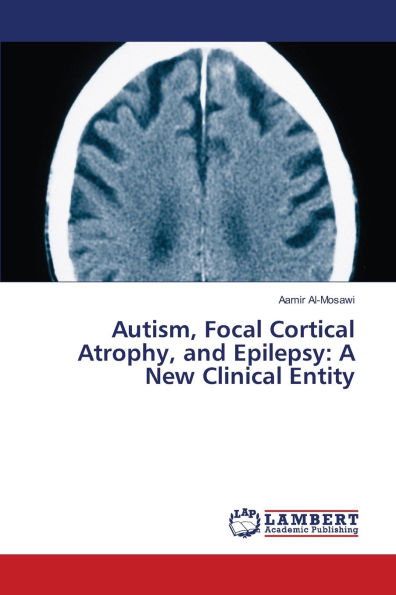
Autism, Focal Cortical Atrophy, and Epilepsy: A New Clinical Entity in Chattanooga, TN
Current price: $51.00
Barnes and Noble
Autism, Focal Cortical Atrophy, and Epilepsy: A New Clinical Entity in Chattanooga, TN
Current price: $51.00
Loading Inventory...
Size: OS
Autism disorders are a heterogeneous group of disorders that are typically considered a functional neurodevelopmental disorder without consistent radiological findings. Consequently, routine brain imaging is not widely recommended. For decades, autism disorders have been considered life-long disorders without curative therapies. Recently, a new therapeutic approach aiming primarily at improving and curing the two major diagnostic features of autism which are poor responsiveness to their name and poor eye contact, has been increasingly used. Injectable cerebrolysin is the main therapeutic component in this new therapeutic approach. This book highlights a unique clinical entity where early childhood autism is associated with focal cortical atrophy and later development of epilepsy. The initial response to cerebrolysin underscores the role of neurotrophic therapy in modulating neuroplasticity and improving functional outcomes even in patients with underlying structural abnormalities. The recurrence of symptoms and emergence of seizures following treatment cessation suggests a progressive or evolving neurological basis rather than a purely static neurodevelopmental disorder.
Autism disorders are a heterogeneous group of disorders that are typically considered a functional neurodevelopmental disorder without consistent radiological findings. Consequently, routine brain imaging is not widely recommended. For decades, autism disorders have been considered life-long disorders without curative therapies. Recently, a new therapeutic approach aiming primarily at improving and curing the two major diagnostic features of autism which are poor responsiveness to their name and poor eye contact, has been increasingly used. Injectable cerebrolysin is the main therapeutic component in this new therapeutic approach. This book highlights a unique clinical entity where early childhood autism is associated with focal cortical atrophy and later development of epilepsy. The initial response to cerebrolysin underscores the role of neurotrophic therapy in modulating neuroplasticity and improving functional outcomes even in patients with underlying structural abnormalities. The recurrence of symptoms and emergence of seizures following treatment cessation suggests a progressive or evolving neurological basis rather than a purely static neurodevelopmental disorder.
You May Also Like











More About Barnes and Noble at Hamilton Place
Barnes & Noble is the world’s largest retail bookseller and a leading retailer of content, digital media and educational products. Our Nook Digital business offers a lineup of NOOK® tablets and e-Readers and an expansive collection of digital reading content through the NOOK Store®. Barnes & Noble’s mission is to operate the best omni-channel specialty retail business in America, helping both our customers and booksellers reach their aspirations, while being a credit to the communities we serve.
2100 Hamilton Pl Blvd, Chattanooga, TN 37421, United States
Find Barnes and Noble at Hamilton Place in Chattanooga, TN
Visit Barnes and Noble at Hamilton Place in Chattanooga, TN
