
Home
Apomixis: Methods and Protocols
Barnes and Noble
Loading Inventory...
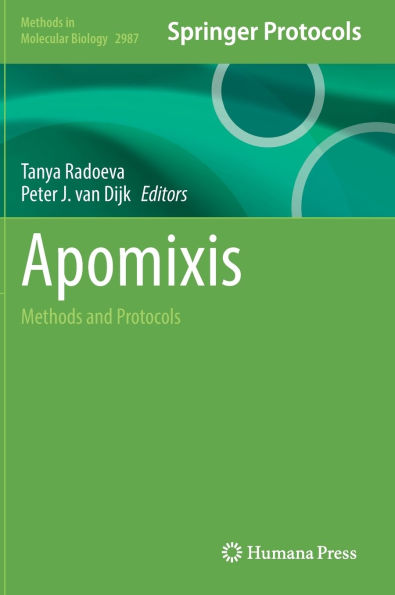
Apomixis: Methods and Protocols in Chattanooga, TN
Current price: $219.99
Barnes and Noble
Apomixis: Methods and Protocols in Chattanooga, TN
Current price: $219.99
Loading Inventory...
Size: Hardcover
This volume explores the latest research techniques (and reviews) used to study apomixis model species. The chapters in this book are organized into six parts: Part One introduces gametophytic apomixis, and Part Two focuses on the detection and characterization of apomixis. Part Three talks about transcriptomic profiling of apomictic and sexual species, and Part Four covers genetic analysis of apomixis. Part Five is dedicated to research on model apomictic systems such as dandelion (Taraxacum), Pilosella, Boechera, and Cenchrus (Pennisetum), and the final Part Six looks at prools for engineering either individual components of apomixis, such as apomeiosis or a complete synthetic apomixis system. Written in the highly successful Methods in Molecular Biology series format, chapters include introductions to their respective topics, lists of the necessary materials and reagents, step-by-step, readily reproducible laboratory prools, and tips on troubleshooting and avoiding known pitfalls.
Cutting-edge and comprehensive, Apomixis: Methods and Prools is a valuable reference for studying apomixis, and serves as an inspiration and foundation for designing new approaches and achieving significant breakthroughs in the field.
Chapter 17 is available Open Access under a Creative Commons Attribution 4.0 International License via link.springer.com.
Cutting-edge and comprehensive, Apomixis: Methods and Prools is a valuable reference for studying apomixis, and serves as an inspiration and foundation for designing new approaches and achieving significant breakthroughs in the field.
Chapter 17 is available Open Access under a Creative Commons Attribution 4.0 International License via link.springer.com.
This volume explores the latest research techniques (and reviews) used to study apomixis model species. The chapters in this book are organized into six parts: Part One introduces gametophytic apomixis, and Part Two focuses on the detection and characterization of apomixis. Part Three talks about transcriptomic profiling of apomictic and sexual species, and Part Four covers genetic analysis of apomixis. Part Five is dedicated to research on model apomictic systems such as dandelion (Taraxacum), Pilosella, Boechera, and Cenchrus (Pennisetum), and the final Part Six looks at prools for engineering either individual components of apomixis, such as apomeiosis or a complete synthetic apomixis system. Written in the highly successful Methods in Molecular Biology series format, chapters include introductions to their respective topics, lists of the necessary materials and reagents, step-by-step, readily reproducible laboratory prools, and tips on troubleshooting and avoiding known pitfalls.
Cutting-edge and comprehensive, Apomixis: Methods and Prools is a valuable reference for studying apomixis, and serves as an inspiration and foundation for designing new approaches and achieving significant breakthroughs in the field.
Chapter 17 is available Open Access under a Creative Commons Attribution 4.0 International License via link.springer.com.
Cutting-edge and comprehensive, Apomixis: Methods and Prools is a valuable reference for studying apomixis, and serves as an inspiration and foundation for designing new approaches and achieving significant breakthroughs in the field.
Chapter 17 is available Open Access under a Creative Commons Attribution 4.0 International License via link.springer.com.
You May Also Like










More About Barnes and Noble at Hamilton Place
Barnes & Noble is the world’s largest retail bookseller and a leading retailer of content, digital media and educational products. Our Nook Digital business offers a lineup of NOOK® tablets and e-Readers and an expansive collection of digital reading content through the NOOK Store®. Barnes & Noble’s mission is to operate the best omni-channel specialty retail business in America, helping both our customers and booksellers reach their aspirations, while being a credit to the communities we serve.
2100 Hamilton Pl Blvd, Chattanooga, TN 37421, United States
Find Barnes and Noble at Hamilton Place in Chattanooga, TN
Visit Barnes and Noble at Hamilton Place in Chattanooga, TN