
Home
Anesthesia and Analgesia for Veterinary Technicians Nurses
Barnes and Noble
Loading Inventory...
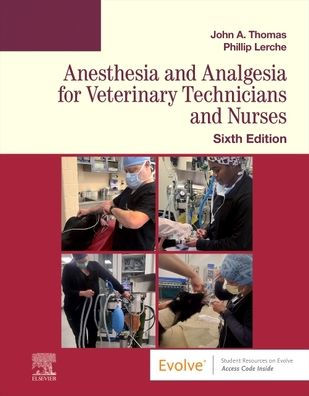
Anesthesia and Analgesia for Veterinary Technicians Nurses in Chattanooga, TN
Current price: $85.99
Barnes and Noble
Anesthesia and Analgesia for Veterinary Technicians Nurses in Chattanooga, TN
Current price: $85.99
Loading Inventory...
Size: Paperback
Master the veterinary technician’s role as a veterinary anesthetist! Covering the principles of animal anesthesia and pain management,
Anesthesia and Analgesia for Veterinary Technicians and Nurses, 6th Edition
is the definitive guide to the latest drugs, techniques and protocols, and anesthetic equipment. Clear guidelines to anesthesia administration include pre-anesthetic preparation of the patient, induction procedures, the monitoring of patients’ vital signs during the anesthetic period, and postoperative care. Written by expert educators John A. Thomas and Philip Lerche, this trusted text prepares you for success in the classroom and on the Veterinary Technician National Exam (VTNE).
Comprehensive coverage of dogs, cats, horses, cattle, camelids, and swine
makes this an excellent resource for veterinary students and technicians.
I
llustrated, step-by-step guidelines to common procedures
include patient preparation, IV catheter placement, anesthetic induction techniques, endotracheal intubation, anesthetic maintenance techniques, and anesthetic recovery.
Two large-animal anesthesia chapters
cover pain management and anesthetic techniques for equine, ruminant, camelid, and swine patients.
Reference tables and boxes
provide quick access to fluid administration rates, properties of anesthetic drugs, oxygen flow rates, anesthetic protocols, normal and abnormal monitoring parameters, and more.
Learning features
include chapter outlines, learning objectives, key terms,
Technician Notes,
key points, review questions, and suggested readings.
Glossary
at the end of the text makes it easy to look up definitions of terms.
NEW! Content on anesthetic practices used to improve patient outcomes
includes anesthetic safety checklists, anxiolysis, minimization of anatomical dead space, and administration of constant rate infusions
NEW! Updates
reflect the latest advances in veterinary anesthesia and analgesia including new fasting recommendations, drugs, equipment, and anesthetic protocols
NEW! Expanded coverage
includes equipment care and sanitation, management of hypothermia, and local anesthetic techniques used to provide analgesia
NEW! Updated practice guidelines
provide the basis for anesthesia information, including the 2022 AAHA Pain Management Guidelines for Dogs and Cats and the 2020 AAHA Anesthesia and Monitoring Guidelines for Dogs and Cats
NEW! Revised and additional reference tables and charts
enhance their ease of use for routine tasks such as calculation of IV fluid administration rates and oxygen flow rates, and interpretation of monitoring data
Anesthesia and Analgesia for Veterinary Technicians and Nurses, 6th Edition
is the definitive guide to the latest drugs, techniques and protocols, and anesthetic equipment. Clear guidelines to anesthesia administration include pre-anesthetic preparation of the patient, induction procedures, the monitoring of patients’ vital signs during the anesthetic period, and postoperative care. Written by expert educators John A. Thomas and Philip Lerche, this trusted text prepares you for success in the classroom and on the Veterinary Technician National Exam (VTNE).
Comprehensive coverage of dogs, cats, horses, cattle, camelids, and swine
makes this an excellent resource for veterinary students and technicians.
I
llustrated, step-by-step guidelines to common procedures
include patient preparation, IV catheter placement, anesthetic induction techniques, endotracheal intubation, anesthetic maintenance techniques, and anesthetic recovery.
Two large-animal anesthesia chapters
cover pain management and anesthetic techniques for equine, ruminant, camelid, and swine patients.
Reference tables and boxes
provide quick access to fluid administration rates, properties of anesthetic drugs, oxygen flow rates, anesthetic protocols, normal and abnormal monitoring parameters, and more.
Learning features
include chapter outlines, learning objectives, key terms,
Technician Notes,
key points, review questions, and suggested readings.
Glossary
at the end of the text makes it easy to look up definitions of terms.
NEW! Content on anesthetic practices used to improve patient outcomes
includes anesthetic safety checklists, anxiolysis, minimization of anatomical dead space, and administration of constant rate infusions
NEW! Updates
reflect the latest advances in veterinary anesthesia and analgesia including new fasting recommendations, drugs, equipment, and anesthetic protocols
NEW! Expanded coverage
includes equipment care and sanitation, management of hypothermia, and local anesthetic techniques used to provide analgesia
NEW! Updated practice guidelines
provide the basis for anesthesia information, including the 2022 AAHA Pain Management Guidelines for Dogs and Cats and the 2020 AAHA Anesthesia and Monitoring Guidelines for Dogs and Cats
NEW! Revised and additional reference tables and charts
enhance their ease of use for routine tasks such as calculation of IV fluid administration rates and oxygen flow rates, and interpretation of monitoring data
Master the veterinary technician’s role as a veterinary anesthetist! Covering the principles of animal anesthesia and pain management,
Anesthesia and Analgesia for Veterinary Technicians and Nurses, 6th Edition
is the definitive guide to the latest drugs, techniques and protocols, and anesthetic equipment. Clear guidelines to anesthesia administration include pre-anesthetic preparation of the patient, induction procedures, the monitoring of patients’ vital signs during the anesthetic period, and postoperative care. Written by expert educators John A. Thomas and Philip Lerche, this trusted text prepares you for success in the classroom and on the Veterinary Technician National Exam (VTNE).
Comprehensive coverage of dogs, cats, horses, cattle, camelids, and swine
makes this an excellent resource for veterinary students and technicians.
I
llustrated, step-by-step guidelines to common procedures
include patient preparation, IV catheter placement, anesthetic induction techniques, endotracheal intubation, anesthetic maintenance techniques, and anesthetic recovery.
Two large-animal anesthesia chapters
cover pain management and anesthetic techniques for equine, ruminant, camelid, and swine patients.
Reference tables and boxes
provide quick access to fluid administration rates, properties of anesthetic drugs, oxygen flow rates, anesthetic protocols, normal and abnormal monitoring parameters, and more.
Learning features
include chapter outlines, learning objectives, key terms,
Technician Notes,
key points, review questions, and suggested readings.
Glossary
at the end of the text makes it easy to look up definitions of terms.
NEW! Content on anesthetic practices used to improve patient outcomes
includes anesthetic safety checklists, anxiolysis, minimization of anatomical dead space, and administration of constant rate infusions
NEW! Updates
reflect the latest advances in veterinary anesthesia and analgesia including new fasting recommendations, drugs, equipment, and anesthetic protocols
NEW! Expanded coverage
includes equipment care and sanitation, management of hypothermia, and local anesthetic techniques used to provide analgesia
NEW! Updated practice guidelines
provide the basis for anesthesia information, including the 2022 AAHA Pain Management Guidelines for Dogs and Cats and the 2020 AAHA Anesthesia and Monitoring Guidelines for Dogs and Cats
NEW! Revised and additional reference tables and charts
enhance their ease of use for routine tasks such as calculation of IV fluid administration rates and oxygen flow rates, and interpretation of monitoring data
Anesthesia and Analgesia for Veterinary Technicians and Nurses, 6th Edition
is the definitive guide to the latest drugs, techniques and protocols, and anesthetic equipment. Clear guidelines to anesthesia administration include pre-anesthetic preparation of the patient, induction procedures, the monitoring of patients’ vital signs during the anesthetic period, and postoperative care. Written by expert educators John A. Thomas and Philip Lerche, this trusted text prepares you for success in the classroom and on the Veterinary Technician National Exam (VTNE).
Comprehensive coverage of dogs, cats, horses, cattle, camelids, and swine
makes this an excellent resource for veterinary students and technicians.
I
llustrated, step-by-step guidelines to common procedures
include patient preparation, IV catheter placement, anesthetic induction techniques, endotracheal intubation, anesthetic maintenance techniques, and anesthetic recovery.
Two large-animal anesthesia chapters
cover pain management and anesthetic techniques for equine, ruminant, camelid, and swine patients.
Reference tables and boxes
provide quick access to fluid administration rates, properties of anesthetic drugs, oxygen flow rates, anesthetic protocols, normal and abnormal monitoring parameters, and more.
Learning features
include chapter outlines, learning objectives, key terms,
Technician Notes,
key points, review questions, and suggested readings.
Glossary
at the end of the text makes it easy to look up definitions of terms.
NEW! Content on anesthetic practices used to improve patient outcomes
includes anesthetic safety checklists, anxiolysis, minimization of anatomical dead space, and administration of constant rate infusions
NEW! Updates
reflect the latest advances in veterinary anesthesia and analgesia including new fasting recommendations, drugs, equipment, and anesthetic protocols
NEW! Expanded coverage
includes equipment care and sanitation, management of hypothermia, and local anesthetic techniques used to provide analgesia
NEW! Updated practice guidelines
provide the basis for anesthesia information, including the 2022 AAHA Pain Management Guidelines for Dogs and Cats and the 2020 AAHA Anesthesia and Monitoring Guidelines for Dogs and Cats
NEW! Revised and additional reference tables and charts
enhance their ease of use for routine tasks such as calculation of IV fluid administration rates and oxygen flow rates, and interpretation of monitoring data
You May Also Like










More About Barnes and Noble at Hamilton Place
Barnes & Noble is the world’s largest retail bookseller and a leading retailer of content, digital media and educational products. Our Nook Digital business offers a lineup of NOOK® tablets and e-Readers and an expansive collection of digital reading content through the NOOK Store®. Barnes & Noble’s mission is to operate the best omni-channel specialty retail business in America, helping both our customers and booksellers reach their aspirations, while being a credit to the communities we serve.
2100 Hamilton Pl Blvd, Chattanooga, TN 37421, United States
Find Barnes and Noble at Hamilton Place in Chattanooga, TN
Visit Barnes and Noble at Hamilton Place in Chattanooga, TN
