
Home
AI-Powered IoT the Energy Industry: Digital Technology and Sustainable Systems
Barnes and Noble
Loading Inventory...
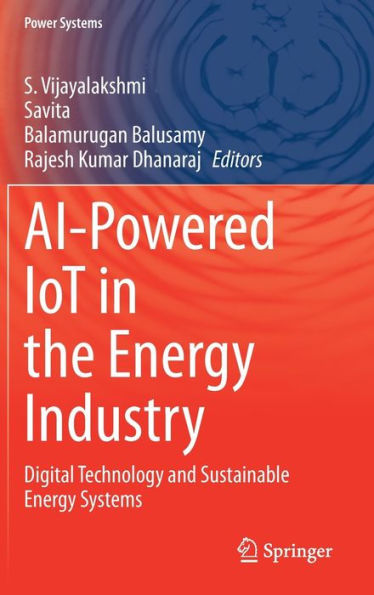
AI-Powered IoT the Energy Industry: Digital Technology and Sustainable Systems in Chattanooga, TN
Current price: $199.99
Barnes and Noble
AI-Powered IoT the Energy Industry: Digital Technology and Sustainable Systems in Chattanooga, TN
Current price: $199.99
Loading Inventory...
Size: Hardcover
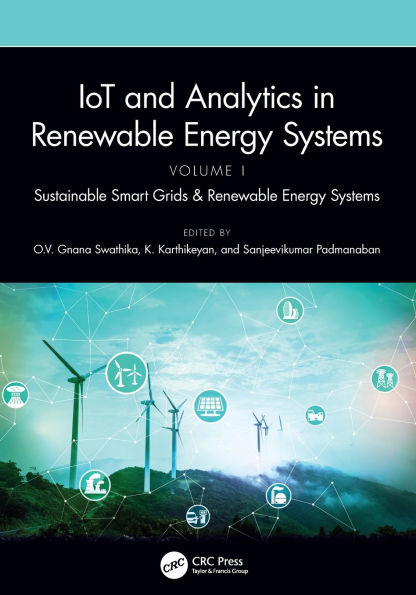
AI-Powered IoT in the Energy Industry: Digital Technology and Sustainable Energy Systems
looks at opportunities to employ cutting-edge applications of artificial intelligence (AI), the Internet of Things (IoT), and Machine Learning (ML) in designing and modeling energy and renewable energy systems. The book's main objectives are to demonstrate how big data can help with energy efficiency and demand reduction, increase the usage of renewable energy sources, and assist in transitioning from a centralized system to a distributed, efficient, and embedded energy system. Contributions cover the fundamentals of the renewable energy sector, including solar, wind, biomass, and hydrogen, as well as building services and power generation systems. Chapters also examine renewable energy property prediction methods and discuss AI and IoT prediction models for biomass thermal properties.
• Covers renewable energy sector fundamentals;
• Explains the application of big data in distributed energy domains;
• Discusses AI and IoT prediction methods and models.
looks at opportunities to employ cutting-edge applications of artificial intelligence (AI), the Internet of Things (IoT), and Machine Learning (ML) in designing and modeling energy and renewable energy systems. The book's main objectives are to demonstrate how big data can help with energy efficiency and demand reduction, increase the usage of renewable energy sources, and assist in transitioning from a centralized system to a distributed, efficient, and embedded energy system. Contributions cover the fundamentals of the renewable energy sector, including solar, wind, biomass, and hydrogen, as well as building services and power generation systems. Chapters also examine renewable energy property prediction methods and discuss AI and IoT prediction models for biomass thermal properties.
• Covers renewable energy sector fundamentals;
• Explains the application of big data in distributed energy domains;
• Discusses AI and IoT prediction methods and models.
AI-Powered IoT in the Energy Industry: Digital Technology and Sustainable Energy Systems
looks at opportunities to employ cutting-edge applications of artificial intelligence (AI), the Internet of Things (IoT), and Machine Learning (ML) in designing and modeling energy and renewable energy systems. The book's main objectives are to demonstrate how big data can help with energy efficiency and demand reduction, increase the usage of renewable energy sources, and assist in transitioning from a centralized system to a distributed, efficient, and embedded energy system. Contributions cover the fundamentals of the renewable energy sector, including solar, wind, biomass, and hydrogen, as well as building services and power generation systems. Chapters also examine renewable energy property prediction methods and discuss AI and IoT prediction models for biomass thermal properties.
• Covers renewable energy sector fundamentals;
• Explains the application of big data in distributed energy domains;
• Discusses AI and IoT prediction methods and models.
looks at opportunities to employ cutting-edge applications of artificial intelligence (AI), the Internet of Things (IoT), and Machine Learning (ML) in designing and modeling energy and renewable energy systems. The book's main objectives are to demonstrate how big data can help with energy efficiency and demand reduction, increase the usage of renewable energy sources, and assist in transitioning from a centralized system to a distributed, efficient, and embedded energy system. Contributions cover the fundamentals of the renewable energy sector, including solar, wind, biomass, and hydrogen, as well as building services and power generation systems. Chapters also examine renewable energy property prediction methods and discuss AI and IoT prediction models for biomass thermal properties.
• Covers renewable energy sector fundamentals;
• Explains the application of big data in distributed energy domains;
• Discusses AI and IoT prediction methods and models.
You May Also Like








More About Barnes and Noble at Hamilton Place
Barnes & Noble is the world’s largest retail bookseller and a leading retailer of content, digital media and educational products. Our Nook Digital business offers a lineup of NOOK® tablets and e-Readers and an expansive collection of digital reading content through the NOOK Store®. Barnes & Noble’s mission is to operate the best omni-channel specialty retail business in America, helping both our customers and booksellers reach their aspirations, while being a credit to the communities we serve.
2100 Hamilton Pl Blvd, Chattanooga, TN 37421, United States
Find Barnes and Noble at Hamilton Place in Chattanooga, TN
Visit Barnes and Noble at Hamilton Place in Chattanooga, TN
