
Home
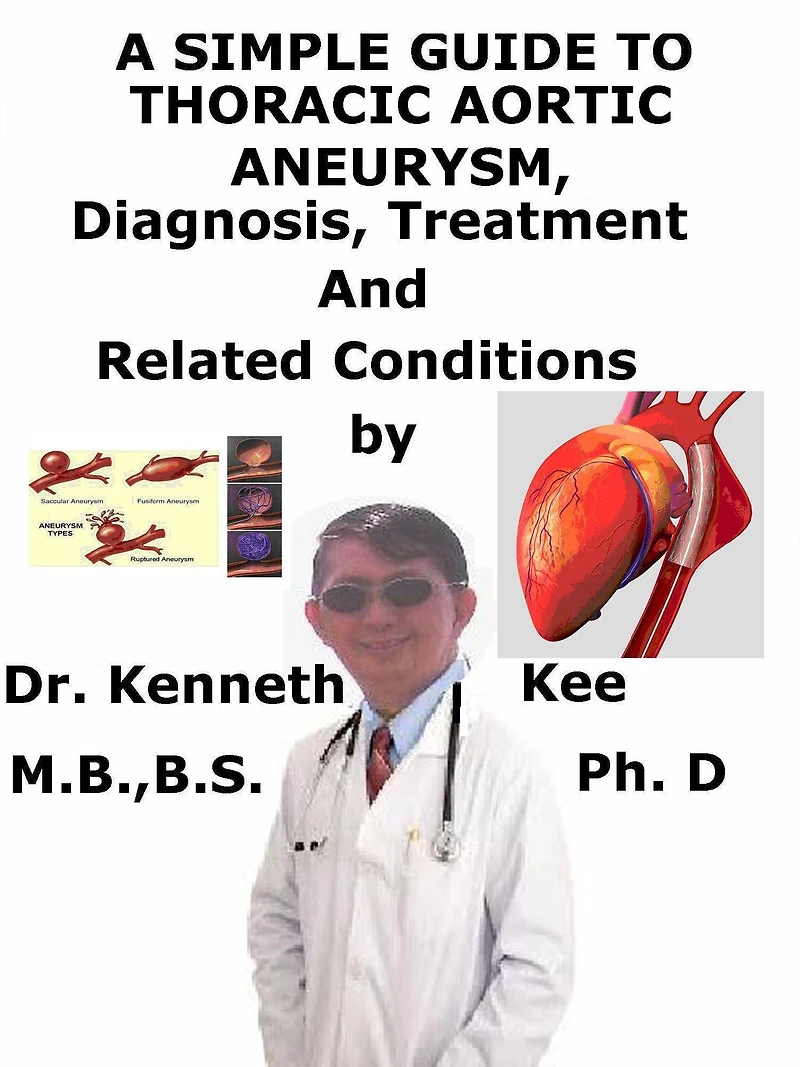
A Simple Guide to Thoracic Aortic Aneurysm, Diagnosis, Treatment and Related Conditions
Barnes and Noble
Loading Inventory...
A Simple Guide to Thoracic Aortic Aneurysm, Diagnosis, Treatment and Related Conditions in Chattanooga, TN
By Barnes & Noble
Current price: $2.99
Barnes and Noble
A Simple Guide to Thoracic Aortic Aneurysm, Diagnosis, Treatment and Related Conditions in Chattanooga, TN
By Barnes & Noble
Current price: $2.99
Loading Inventory...
Size: EBook
This book describes Thoracic Aortic Aneurysm, Diagnosis and Treatment and Related DiseasesA thoracic aortic aneurysm is a thin weakened area in the wall of a major blood vessel (aorta) that supplies blood to the body.When the aorta wall is weak, the pressure of the blood pushing against the vessel wall can induce it to bulge like a balloon (aneurysm).The thoracic aorta comprises:1. The aortic root,2. Ascending aorta,3. Aortic arch, and4. The descending aorta.An aneurysm happens when the normal diameter of the artery rises by 50%.It happens due to the intrinsic weakness of the aortic wall.Thoracic aortic aneurysms (TAA) seldom manifest with symptoms, and about 95% of the patients have no symptoms.These aneurysms can produce catastrophic emergencies, such as aortic dissection or rupture, and are termed “silent killers.”About 22% of persons die before reaching the hospital during an aneurysm complication.Most aneurysms in the thoracic aorta happen in the root or ascending aorta, followed by descending aorta and rarely happen in the arch.A thoracic aortic aneurysm is also called a thoracic aneurysm, and aortic dissection can happen due to an aneurysm.A dissection is a tear in the wall of the aorta that induces life-threatening bleeding or sudden death.Male gender, older age, hypertension, chronic obstructive pulmonary disease (COPD), coronary artery disease, smoking, and previous aortic dissection are some risk factors of TAA.The distinctive demarcation in causes for aortic aneurysms is the ligamentum arteriosum.Above this point, the degenerative functions in the elastic media cause the formation of aneurysms, and below the ligament, atherosclerosis is the main cause.Thoracic aortic aneurysms normally often grow slowly without symptoms, making them hard to detect.As a thoracic aortic aneurysm grows, some people may observe:Tenderness or pain in the chestBack painHoarsenessCoughShortness of breathIf an aneurysm ruptures or one or more layers of the artery wall starts to tear, the patient may feel:Sharp, sudden pain in the upper back that radiates downwardPain in the chest, jaw, neck or armsDifficulty breathingA contrast-enhanced CT scan is the most often used imaging technique to diagnose thoracic aortic aneurysms.Genetic testing can now be used to assess for thoracic aortic aneurysm.The purpose of treatment is to prevent the aneurysm from growing and to treat it before it dissects or ruptures.Depending on the size and growth rate of the thoracic aortic aneurysm, treatment may vary from watchful waiting (monitoring) to surgery.Medical treatment aims at reducing stress in the aorta, which in turn prevents the growth of the aneurysm.Anti-impulse treatment is necessary, and beta-blockers are the first-line medicines as they reduce stress by reducing blood pressure and contractility.Angiotensin receptor blockers (ARBs) and angiotensin-converting enzyme (ACE) inhibitors are advantageous for patients with Marfan syndrome as they decrease TGF-B signaling.Lipid-lowering agents, mainly statins, are also given as they decrease oxidative stress, rate of rupture, and dissection.Surgery is normally advised for the treatment of thoracic aortic aneurysms about 1.9 to 2.4 inches (about 5 to 6 centimeters) and larger.The doctor may advise surgery for smaller aneurysms due to the risk of aortic dissection.TABLE OF CONTENTIntroductionChapter 1 Thoracic Aortic AneurysmChapter 2 CausesChapter 3 SymptomsChapter 4 DiagnosisChapter 5 TreatmentChapter 6 PrognosisChapter 7 Abdominal Aortic AneurysmChapter 8 Cerebral AneurysmEpilogue
This book describes Thoracic Aortic Aneurysm, Diagnosis and Treatment and Related DiseasesA thoracic aortic aneurysm is a thin weakened area in the wall of a major blood vessel (aorta) that supplies blood to the body.When the aorta wall is weak, the pressure of the blood pushing against the vessel wall can induce it to bulge like a balloon (aneurysm).The thoracic aorta comprises:1. The aortic root,2. Ascending aorta,3. Aortic arch, and4. The descending aorta.An aneurysm happens when the normal diameter of the artery rises by 50%.It happens due to the intrinsic weakness of the aortic wall.Thoracic aortic aneurysms (TAA) seldom manifest with symptoms, and about 95% of the patients have no symptoms.These aneurysms can produce catastrophic emergencies, such as aortic dissection or rupture, and are termed “silent killers.”About 22% of persons die before reaching the hospital during an aneurysm complication.Most aneurysms in the thoracic aorta happen in the root or ascending aorta, followed by descending aorta and rarely happen in the arch.A thoracic aortic aneurysm is also called a thoracic aneurysm, and aortic dissection can happen due to an aneurysm.A dissection is a tear in the wall of the aorta that induces life-threatening bleeding or sudden death.Male gender, older age, hypertension, chronic obstructive pulmonary disease (COPD), coronary artery disease, smoking, and previous aortic dissection are some risk factors of TAA.The distinctive demarcation in causes for aortic aneurysms is the ligamentum arteriosum.Above this point, the degenerative functions in the elastic media cause the formation of aneurysms, and below the ligament, atherosclerosis is the main cause.Thoracic aortic aneurysms normally often grow slowly without symptoms, making them hard to detect.As a thoracic aortic aneurysm grows, some people may observe:Tenderness or pain in the chestBack painHoarsenessCoughShortness of breathIf an aneurysm ruptures or one or more layers of the artery wall starts to tear, the patient may feel:Sharp, sudden pain in the upper back that radiates downwardPain in the chest, jaw, neck or armsDifficulty breathingA contrast-enhanced CT scan is the most often used imaging technique to diagnose thoracic aortic aneurysms.Genetic testing can now be used to assess for thoracic aortic aneurysm.The purpose of treatment is to prevent the aneurysm from growing and to treat it before it dissects or ruptures.Depending on the size and growth rate of the thoracic aortic aneurysm, treatment may vary from watchful waiting (monitoring) to surgery.Medical treatment aims at reducing stress in the aorta, which in turn prevents the growth of the aneurysm.Anti-impulse treatment is necessary, and beta-blockers are the first-line medicines as they reduce stress by reducing blood pressure and contractility.Angiotensin receptor blockers (ARBs) and angiotensin-converting enzyme (ACE) inhibitors are advantageous for patients with Marfan syndrome as they decrease TGF-B signaling.Lipid-lowering agents, mainly statins, are also given as they decrease oxidative stress, rate of rupture, and dissection.Surgery is normally advised for the treatment of thoracic aortic aneurysms about 1.9 to 2.4 inches (about 5 to 6 centimeters) and larger.The doctor may advise surgery for smaller aneurysms due to the risk of aortic dissection.TABLE OF CONTENTIntroductionChapter 1 Thoracic Aortic AneurysmChapter 2 CausesChapter 3 SymptomsChapter 4 DiagnosisChapter 5 TreatmentChapter 6 PrognosisChapter 7 Abdominal Aortic AneurysmChapter 8 Cerebral AneurysmEpilogue
You May Also Like









More About Barnes and Noble at Hamilton Place
Barnes & Noble is the world’s largest retail bookseller and a leading retailer of content, digital media and educational products. Our Nook Digital business offers a lineup of NOOK® tablets and e-Readers and an expansive collection of digital reading content through the NOOK Store®. Barnes & Noble’s mission is to operate the best omni-channel specialty retail business in America, helping both our customers and booksellers reach their aspirations, while being a credit to the communities we serve.
2100 Hamilton Pl Blvd, Chattanooga, TN 37421, United States
Find Barnes and Noble at Hamilton Place in Chattanooga, TN
Visit Barnes and Noble at Hamilton Place in Chattanooga, TN
