
Home
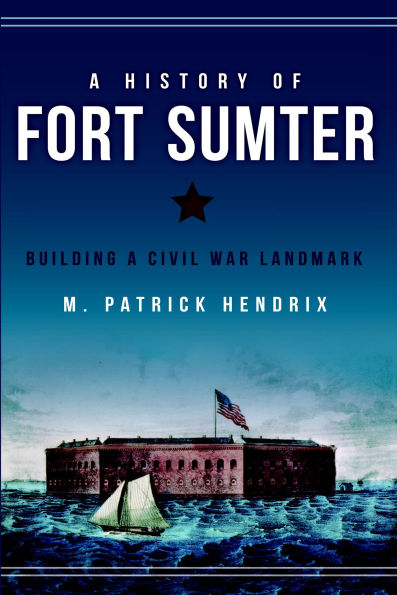
a History of Fort Sumter: Building Civil War Landmark
Barnes and Noble
Loading Inventory...
a History of Fort Sumter: Building Civil War Landmark in Chattanooga, TN
Current price: $21.99
Barnes and Noble
a History of Fort Sumter: Building Civil War Landmark in Chattanooga, TN
Current price: $21.99
Loading Inventory...
Size: Paperback
Join author M. Patrick Hendrix as he follows the tumultuous lives of the men who fought to control the most revered monuments to the war.
In 1829, construction began on a fort atop a rock formation in the mouth of Charleston Harbor. Decades later, Fort Sumter was near completion on December 26, 1860, when Major Robert Anderson occupied it in response to the growing hostilities between the North and South. As a symbol of sedition for the North and holy ground for the South, possession of Fort Sumter was deemed essential to both sides when the Civil War began. By 1864, the fort, heavily bombarded by Union artillery, was a shapeless mass of ruins, mostly bermed rubble and sand with a garrison of Confederate soldiers holding its ground.
In 1829, construction began on a fort atop a rock formation in the mouth of Charleston Harbor. Decades later, Fort Sumter was near completion on December 26, 1860, when Major Robert Anderson occupied it in response to the growing hostilities between the North and South. As a symbol of sedition for the North and holy ground for the South, possession of Fort Sumter was deemed essential to both sides when the Civil War began. By 1864, the fort, heavily bombarded by Union artillery, was a shapeless mass of ruins, mostly bermed rubble and sand with a garrison of Confederate soldiers holding its ground.
Join author M. Patrick Hendrix as he follows the tumultuous lives of the men who fought to control the most revered monuments to the war.
In 1829, construction began on a fort atop a rock formation in the mouth of Charleston Harbor. Decades later, Fort Sumter was near completion on December 26, 1860, when Major Robert Anderson occupied it in response to the growing hostilities between the North and South. As a symbol of sedition for the North and holy ground for the South, possession of Fort Sumter was deemed essential to both sides when the Civil War began. By 1864, the fort, heavily bombarded by Union artillery, was a shapeless mass of ruins, mostly bermed rubble and sand with a garrison of Confederate soldiers holding its ground.
In 1829, construction began on a fort atop a rock formation in the mouth of Charleston Harbor. Decades later, Fort Sumter was near completion on December 26, 1860, when Major Robert Anderson occupied it in response to the growing hostilities between the North and South. As a symbol of sedition for the North and holy ground for the South, possession of Fort Sumter was deemed essential to both sides when the Civil War began. By 1864, the fort, heavily bombarded by Union artillery, was a shapeless mass of ruins, mostly bermed rubble and sand with a garrison of Confederate soldiers holding its ground.
You May Also Like














More About Barnes and Noble at Hamilton Place
Barnes & Noble is the world’s largest retail bookseller and a leading retailer of content, digital media and educational products. Our Nook Digital business offers a lineup of NOOK® tablets and e-Readers and an expansive collection of digital reading content through the NOOK Store®. Barnes & Noble’s mission is to operate the best omni-channel specialty retail business in America, helping both our customers and booksellers reach their aspirations, while being a credit to the communities we serve.
2100 Hamilton Pl Blvd, Chattanooga, TN 37421, United States
Find Barnes and Noble at Hamilton Place in Chattanooga, TN
Visit Barnes and Noble at Hamilton Place in Chattanooga, TN
