
Home
A Cultural History of Plants Antiquity
Barnes and Noble
Loading Inventory...
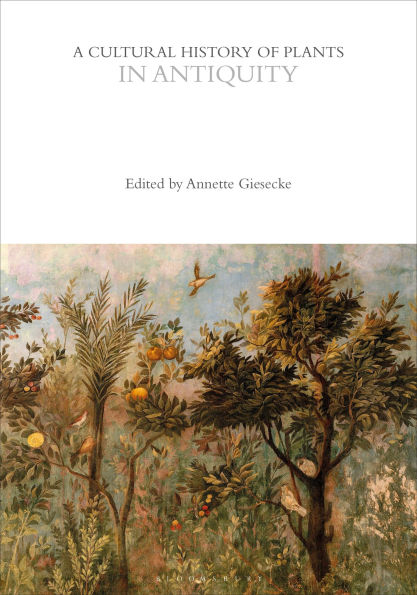
A Cultural History of Plants Antiquity in Chattanooga, TN
Current price: $35.95
Barnes and Noble
A Cultural History of Plants Antiquity in Chattanooga, TN
Current price: $35.95
Loading Inventory...
Size: Paperback
A Cultural History of Plants in Antiquity
covers the period from 10,000 BCE to 500 CE.
This period witnessed the transition from hunter-gatherer subsistence to the practice of agriculture in Mesopotamia and elsewhere, and culminated in the fall of the Roman Empire, the end of the Han Dynasty in China, the rise of Byzantium, and the first flowering of Mayan civilization. Human uses for and understanding of plants drove cultural evolution and were inextricably bound to all aspects of cultural practice. The growth of botanical knowledge was fundamental to the development of agriculture, technology, medicine, and science, as well as to the birth of cities, the rise of religions and mythologies, and the creation of works of literature and art.
The six-volume set of the
Cultural History of Plants
presents the first comprehensive history of the uses and meanings of plants from prehistory to today. The themes covered in each volume are plants as staple foods; plants as luxury foods; trade and exploration; plant technology and science; plants and medicine; plants in culture; plants as natural ornaments; the representation of plants.
Annette Giesecke
, PhD, is a specialist in the history, meaning, and representation of ancient gardens and designed landscapes at Victoria University of Wellington, New Zealand.
is the first volume in the six-volume set,
A Cultural History of Plants
, also available online as part of Bloomsbury Cultural History, a fully-searchable digital library (see www.bloomsburyculturalhistory.com).
General Editors: Annette Giesecke, Victoria University of Wellington, New Zealand, and David Mabberley, University of Oxford, UK.
covers the period from 10,000 BCE to 500 CE.
This period witnessed the transition from hunter-gatherer subsistence to the practice of agriculture in Mesopotamia and elsewhere, and culminated in the fall of the Roman Empire, the end of the Han Dynasty in China, the rise of Byzantium, and the first flowering of Mayan civilization. Human uses for and understanding of plants drove cultural evolution and were inextricably bound to all aspects of cultural practice. The growth of botanical knowledge was fundamental to the development of agriculture, technology, medicine, and science, as well as to the birth of cities, the rise of religions and mythologies, and the creation of works of literature and art.
The six-volume set of the
Cultural History of Plants
presents the first comprehensive history of the uses and meanings of plants from prehistory to today. The themes covered in each volume are plants as staple foods; plants as luxury foods; trade and exploration; plant technology and science; plants and medicine; plants in culture; plants as natural ornaments; the representation of plants.
Annette Giesecke
, PhD, is a specialist in the history, meaning, and representation of ancient gardens and designed landscapes at Victoria University of Wellington, New Zealand.
is the first volume in the six-volume set,
A Cultural History of Plants
, also available online as part of Bloomsbury Cultural History, a fully-searchable digital library (see www.bloomsburyculturalhistory.com).
General Editors: Annette Giesecke, Victoria University of Wellington, New Zealand, and David Mabberley, University of Oxford, UK.
A Cultural History of Plants in Antiquity
covers the period from 10,000 BCE to 500 CE.
This period witnessed the transition from hunter-gatherer subsistence to the practice of agriculture in Mesopotamia and elsewhere, and culminated in the fall of the Roman Empire, the end of the Han Dynasty in China, the rise of Byzantium, and the first flowering of Mayan civilization. Human uses for and understanding of plants drove cultural evolution and were inextricably bound to all aspects of cultural practice. The growth of botanical knowledge was fundamental to the development of agriculture, technology, medicine, and science, as well as to the birth of cities, the rise of religions and mythologies, and the creation of works of literature and art.
The six-volume set of the
Cultural History of Plants
presents the first comprehensive history of the uses and meanings of plants from prehistory to today. The themes covered in each volume are plants as staple foods; plants as luxury foods; trade and exploration; plant technology and science; plants and medicine; plants in culture; plants as natural ornaments; the representation of plants.
Annette Giesecke
, PhD, is a specialist in the history, meaning, and representation of ancient gardens and designed landscapes at Victoria University of Wellington, New Zealand.
is the first volume in the six-volume set,
A Cultural History of Plants
, also available online as part of Bloomsbury Cultural History, a fully-searchable digital library (see www.bloomsburyculturalhistory.com).
General Editors: Annette Giesecke, Victoria University of Wellington, New Zealand, and David Mabberley, University of Oxford, UK.
covers the period from 10,000 BCE to 500 CE.
This period witnessed the transition from hunter-gatherer subsistence to the practice of agriculture in Mesopotamia and elsewhere, and culminated in the fall of the Roman Empire, the end of the Han Dynasty in China, the rise of Byzantium, and the first flowering of Mayan civilization. Human uses for and understanding of plants drove cultural evolution and were inextricably bound to all aspects of cultural practice. The growth of botanical knowledge was fundamental to the development of agriculture, technology, medicine, and science, as well as to the birth of cities, the rise of religions and mythologies, and the creation of works of literature and art.
The six-volume set of the
Cultural History of Plants
presents the first comprehensive history of the uses and meanings of plants from prehistory to today. The themes covered in each volume are plants as staple foods; plants as luxury foods; trade and exploration; plant technology and science; plants and medicine; plants in culture; plants as natural ornaments; the representation of plants.
Annette Giesecke
, PhD, is a specialist in the history, meaning, and representation of ancient gardens and designed landscapes at Victoria University of Wellington, New Zealand.
is the first volume in the six-volume set,
A Cultural History of Plants
, also available online as part of Bloomsbury Cultural History, a fully-searchable digital library (see www.bloomsburyculturalhistory.com).
General Editors: Annette Giesecke, Victoria University of Wellington, New Zealand, and David Mabberley, University of Oxford, UK.
You May Also Like















More About Barnes and Noble at Hamilton Place
Barnes & Noble is the world’s largest retail bookseller and a leading retailer of content, digital media and educational products. Our Nook Digital business offers a lineup of NOOK® tablets and e-Readers and an expansive collection of digital reading content through the NOOK Store®. Barnes & Noble’s mission is to operate the best omni-channel specialty retail business in America, helping both our customers and booksellers reach their aspirations, while being a credit to the communities we serve.
2100 Hamilton Pl Blvd, Chattanooga, TN 37421, United States
Find Barnes and Noble at Hamilton Place in Chattanooga, TN
Visit Barnes and Noble at Hamilton Place in Chattanooga, TN
