
Home
1973: Whatever Happened to the Teenage Dream?
Barnes and Noble
Loading Inventory...
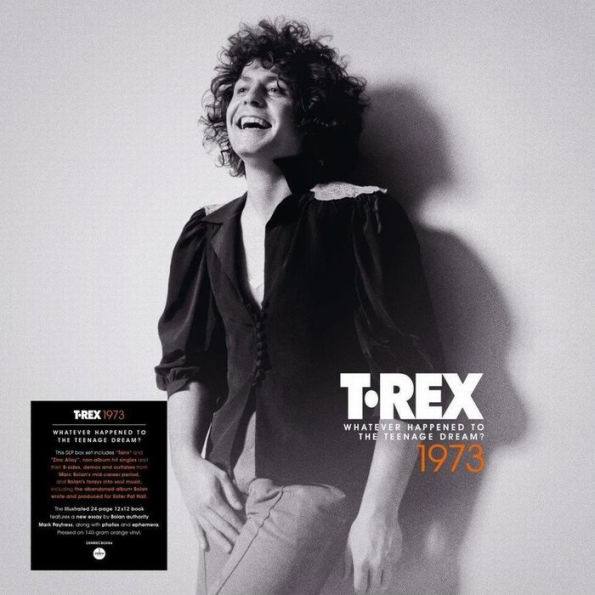
1973: Whatever Happened to the Teenage Dream? in Chattanooga, TN
Current price: $115.99
Barnes and Noble
1973: Whatever Happened to the Teenage Dream? in Chattanooga, TN
Current price: $115.99
Loading Inventory...
Size: CD
After the thrilling rush of 1972, during which
Marc Bolan
and
T. Rex
ruled the musical world with a glittery fist, 1973 proved a different kind of year. Tired of glam and looking for a new sound,
Bolan
turned to the sounds of America for inspiration. Determined to become a star there, he led the band on a number of tours and along the way understood that fans wanted harder and less poppy music; he also fell in love with the soul and funk beaming out over the nation's airwaves.
1973: Whatever Happened to the Teenage Dream?
is a four-disc set that captures what happened when
and the band turned away from glam and went in search of something else. It contains both the
Tanx
album, which was recorded in late 1972, and 1974's
Zinc Alloy and the Hidden Riders of Tomorrow
, recorded in 1973. Alongside them are non-LP singles, demos
made at home,
Zinc Alloy
outtakes, the 1973 single credited to
Big Carrot
, and the aborted sessions for a
Sister Pat Hall
record.
Neither of the two studio albums were huge leaps away from the template already established by the band; the changes were small but significant. On
, some elements of harder rock like slide guitar, straightforward songcraft, and simpler lyrics are implemented, but at the same time
Tony Visconti
's production often sends the album into the cosmos, especially when the phasers kick in and the backing vocals levitate.
adds the intense backing vocals of
Gloria Jones
Pat Hall
, swings a bit more loosely, and even gets funky on a few tracks. Any
fan wouldn't be shocked by the small alterations, though, and both
's strut and sadness are amplified in interesting ways. It's often seen as a transitional period in the group's career, and some prefer to focus on the brilliant non-LP singles like "Children of the Revolution" and "20th Century Boy," but to ignore
in favor of earlier or later work is ill-advised and would mean missing out on some strange and wonderful music.
The demos and outtakes have all been released before, and they are uniformly brilliant, proving that
didn't need glitter or volume to get across the genius contained in his melodies and words. The
single is a gas, with the rollicking "Black Jack" letting
Jones
Hall
take the lead and "Squint Eye Mangle" showing off
's guitar heroics in joyously ramshackle fashion. The
album is a nice addition to the set, and while her voice can get a little strident at times, it's fun to hear
give the
sound a funky twist. Like the
1972
set that preceded it, there are no real, previously undiscovered, rarities here, but the comprehensive view it gives to a year that was difficult, yet triumphant in its own way, is something that is of use to any
fan, be they obsessive or new. ~ Tim Sendra
Marc Bolan
and
T. Rex
ruled the musical world with a glittery fist, 1973 proved a different kind of year. Tired of glam and looking for a new sound,
Bolan
turned to the sounds of America for inspiration. Determined to become a star there, he led the band on a number of tours and along the way understood that fans wanted harder and less poppy music; he also fell in love with the soul and funk beaming out over the nation's airwaves.
1973: Whatever Happened to the Teenage Dream?
is a four-disc set that captures what happened when
and the band turned away from glam and went in search of something else. It contains both the
Tanx
album, which was recorded in late 1972, and 1974's
Zinc Alloy and the Hidden Riders of Tomorrow
, recorded in 1973. Alongside them are non-LP singles, demos
made at home,
Zinc Alloy
outtakes, the 1973 single credited to
Big Carrot
, and the aborted sessions for a
Sister Pat Hall
record.
Neither of the two studio albums were huge leaps away from the template already established by the band; the changes were small but significant. On
, some elements of harder rock like slide guitar, straightforward songcraft, and simpler lyrics are implemented, but at the same time
Tony Visconti
's production often sends the album into the cosmos, especially when the phasers kick in and the backing vocals levitate.
adds the intense backing vocals of
Gloria Jones
Pat Hall
, swings a bit more loosely, and even gets funky on a few tracks. Any
fan wouldn't be shocked by the small alterations, though, and both
's strut and sadness are amplified in interesting ways. It's often seen as a transitional period in the group's career, and some prefer to focus on the brilliant non-LP singles like "Children of the Revolution" and "20th Century Boy," but to ignore
in favor of earlier or later work is ill-advised and would mean missing out on some strange and wonderful music.
The demos and outtakes have all been released before, and they are uniformly brilliant, proving that
didn't need glitter or volume to get across the genius contained in his melodies and words. The
single is a gas, with the rollicking "Black Jack" letting
Jones
Hall
take the lead and "Squint Eye Mangle" showing off
's guitar heroics in joyously ramshackle fashion. The
album is a nice addition to the set, and while her voice can get a little strident at times, it's fun to hear
give the
sound a funky twist. Like the
1972
set that preceded it, there are no real, previously undiscovered, rarities here, but the comprehensive view it gives to a year that was difficult, yet triumphant in its own way, is something that is of use to any
fan, be they obsessive or new. ~ Tim Sendra
After the thrilling rush of 1972, during which
Marc Bolan
and
T. Rex
ruled the musical world with a glittery fist, 1973 proved a different kind of year. Tired of glam and looking for a new sound,
Bolan
turned to the sounds of America for inspiration. Determined to become a star there, he led the band on a number of tours and along the way understood that fans wanted harder and less poppy music; he also fell in love with the soul and funk beaming out over the nation's airwaves.
1973: Whatever Happened to the Teenage Dream?
is a four-disc set that captures what happened when
and the band turned away from glam and went in search of something else. It contains both the
Tanx
album, which was recorded in late 1972, and 1974's
Zinc Alloy and the Hidden Riders of Tomorrow
, recorded in 1973. Alongside them are non-LP singles, demos
made at home,
Zinc Alloy
outtakes, the 1973 single credited to
Big Carrot
, and the aborted sessions for a
Sister Pat Hall
record.
Neither of the two studio albums were huge leaps away from the template already established by the band; the changes were small but significant. On
, some elements of harder rock like slide guitar, straightforward songcraft, and simpler lyrics are implemented, but at the same time
Tony Visconti
's production often sends the album into the cosmos, especially when the phasers kick in and the backing vocals levitate.
adds the intense backing vocals of
Gloria Jones
Pat Hall
, swings a bit more loosely, and even gets funky on a few tracks. Any
fan wouldn't be shocked by the small alterations, though, and both
's strut and sadness are amplified in interesting ways. It's often seen as a transitional period in the group's career, and some prefer to focus on the brilliant non-LP singles like "Children of the Revolution" and "20th Century Boy," but to ignore
in favor of earlier or later work is ill-advised and would mean missing out on some strange and wonderful music.
The demos and outtakes have all been released before, and they are uniformly brilliant, proving that
didn't need glitter or volume to get across the genius contained in his melodies and words. The
single is a gas, with the rollicking "Black Jack" letting
Jones
Hall
take the lead and "Squint Eye Mangle" showing off
's guitar heroics in joyously ramshackle fashion. The
album is a nice addition to the set, and while her voice can get a little strident at times, it's fun to hear
give the
sound a funky twist. Like the
1972
set that preceded it, there are no real, previously undiscovered, rarities here, but the comprehensive view it gives to a year that was difficult, yet triumphant in its own way, is something that is of use to any
fan, be they obsessive or new. ~ Tim Sendra
Marc Bolan
and
T. Rex
ruled the musical world with a glittery fist, 1973 proved a different kind of year. Tired of glam and looking for a new sound,
Bolan
turned to the sounds of America for inspiration. Determined to become a star there, he led the band on a number of tours and along the way understood that fans wanted harder and less poppy music; he also fell in love with the soul and funk beaming out over the nation's airwaves.
1973: Whatever Happened to the Teenage Dream?
is a four-disc set that captures what happened when
and the band turned away from glam and went in search of something else. It contains both the
Tanx
album, which was recorded in late 1972, and 1974's
Zinc Alloy and the Hidden Riders of Tomorrow
, recorded in 1973. Alongside them are non-LP singles, demos
made at home,
Zinc Alloy
outtakes, the 1973 single credited to
Big Carrot
, and the aborted sessions for a
Sister Pat Hall
record.
Neither of the two studio albums were huge leaps away from the template already established by the band; the changes were small but significant. On
, some elements of harder rock like slide guitar, straightforward songcraft, and simpler lyrics are implemented, but at the same time
Tony Visconti
's production often sends the album into the cosmos, especially when the phasers kick in and the backing vocals levitate.
adds the intense backing vocals of
Gloria Jones
Pat Hall
, swings a bit more loosely, and even gets funky on a few tracks. Any
fan wouldn't be shocked by the small alterations, though, and both
's strut and sadness are amplified in interesting ways. It's often seen as a transitional period in the group's career, and some prefer to focus on the brilliant non-LP singles like "Children of the Revolution" and "20th Century Boy," but to ignore
in favor of earlier or later work is ill-advised and would mean missing out on some strange and wonderful music.
The demos and outtakes have all been released before, and they are uniformly brilliant, proving that
didn't need glitter or volume to get across the genius contained in his melodies and words. The
single is a gas, with the rollicking "Black Jack" letting
Jones
Hall
take the lead and "Squint Eye Mangle" showing off
's guitar heroics in joyously ramshackle fashion. The
album is a nice addition to the set, and while her voice can get a little strident at times, it's fun to hear
give the
sound a funky twist. Like the
1972
set that preceded it, there are no real, previously undiscovered, rarities here, but the comprehensive view it gives to a year that was difficult, yet triumphant in its own way, is something that is of use to any
fan, be they obsessive or new. ~ Tim Sendra
You May Also Like
![What Happens Now? [Evergreen Vinyl] [Barnes & Noble Exclusive]](https://prodimage.images-bn.com/pimages/0093624841548_p0_v3_s600x595.jpg)










More About Barnes and Noble at Hamilton Place
Barnes & Noble is the world’s largest retail bookseller and a leading retailer of content, digital media and educational products. Our Nook Digital business offers a lineup of NOOK® tablets and e-Readers and an expansive collection of digital reading content through the NOOK Store®. Barnes & Noble’s mission is to operate the best omni-channel specialty retail business in America, helping both our customers and booksellers reach their aspirations, while being a credit to the communities we serve.
2100 Hamilton Pl Blvd, Chattanooga, TN 37421, United States
Find Barnes and Noble at Hamilton Place in Chattanooga, TN
Visit Barnes and Noble at Hamilton Place in Chattanooga, TN
